

The appearance of Egyptian actress Mariam El Khosht in the series “Tale’ Nazel” has sparked debate about what natural skin should look like. Some comments focused on the texture and details of her skin, with images of the actress used both to criticise her appearance and to promote cosmetic services.
El Khosht responded by pointing to the effects that long hours on set, makeup and lack of sleep can have on the skin. She also challenged the expectation that an actress should appear with completely flawless skin. The discussion has since raised wider questions about the idealised images of skin promoted by social media filters and photo-editing apps—and how to distinguish healthy skin from the pursuit of perfection.
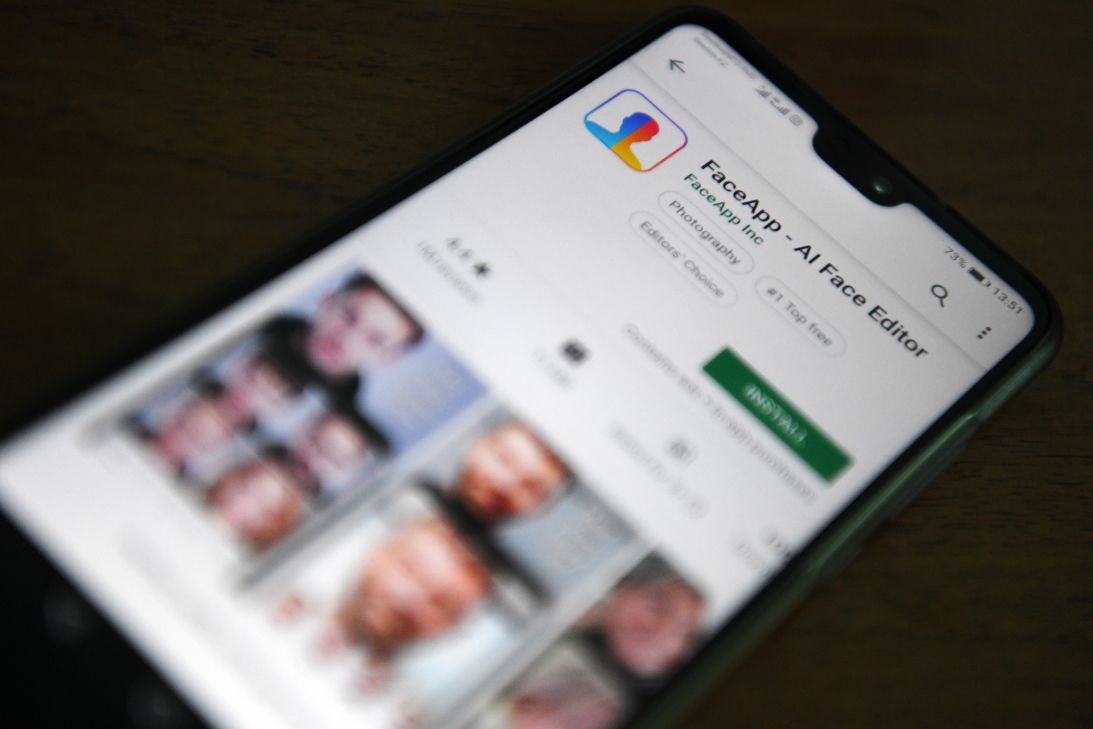
What healthy skin really looks like
Syrian dermatologist and aesthetic doctor Souhaila Shujaa says the shift from discussing El Khosht’s work to scrutinising her skin reflects the intense attention paid to women’s appearance, particularly when they are public figures. At the same time, objections to that scrutiny point to growing resistance to beauty standards built around a blemish-free complexion.
Healthy skin does not have to be perfectly smooth or uniform in colour and texture, Shujaa explains. Pores, fine lines and some variations in tone and texture are normal. Redness can be temporary, while spots may leave pink or brown marks that take time to fade.
Skin health is not judged by appearance alone; how the skin responds to different factors also matters. Redness after exercise, for example, is different from persistent redness accompanied by burning or discomfort. The nature and duration of symptoms are important parts of the assessment.
How filters shape expectations
The ideal of perfect skin did not emerge in isolation from the media and beauty industry. Images in advertisements and magazines were presented with carefully planned lighting, makeup and retouching. Social media has brought that polished image into everyday life, making it harder at times to distinguish natural skin from a digitally altered picture.
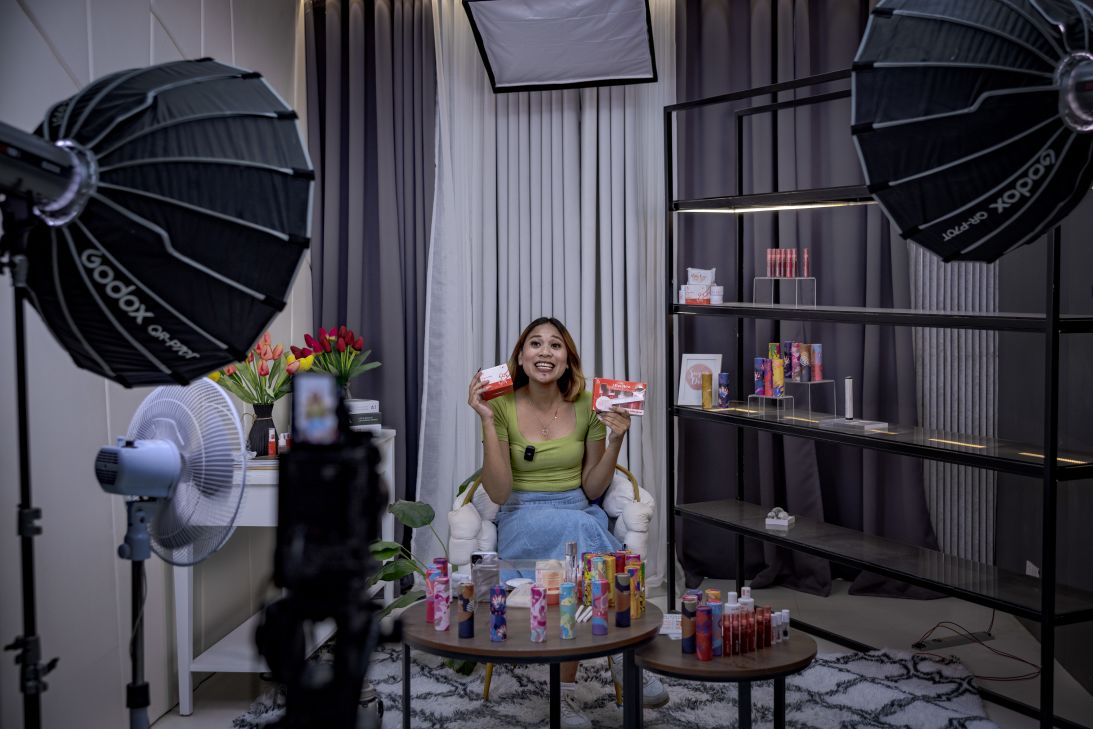
Repeated exposure to these images and videos can make an idealised appearance seem like a realistic standard, Shujaa says. People may compare their own skin with what they see on screen, then wonder why pores or uneven tone are visible in daylight.
Filters can also affect how people see themselves, not just how others see them. By smoothing pores, evening out skin tone and removing fine lines, they can make users accustomed to an edited version of their own face. Looking in the mirror afterwards, someone may feel their skin needs fixing, even though it has not actually changed.
When skin concerns may need medical attention
Accepting natural skin does not mean overlooking problems that need medical assessment. Shujaa suggests considering three questions: Is the change new or progressing? Does it cause symptoms? Does it keep recurring?
Pores, fine lines and flat marks that gradually fade after spots usually do not require medical treatment. Persistent redness or itching, painful acne and spots that leave scars may warrant assessment by a specialist. Any mole or mark that changes shape, bleeds without an obvious injury or fails to heal should also be checked.
A gentler approach to skincare
The ongoing pursuit of smooth, flawless skin can lead some people to overuse skincare products, exfoliation and cosmetic procedures. Shujaa says she sees people adding acids and exfoliants or undergoing repeated peeling sessions without giving their skin enough time to recover.
These practices can weaken the skin’s protective barrier, causing tightness, burning, peeling and irritation. In some cases, inflammation can leave discolouration, particularly in people whose skin is prone to pigmentation. Strong peeling treatments, if used inappropriately, can cause burns or scarring.

Shujaa recommends starting with a gentle cleanser, a moisturiser suited to the skin and broad-spectrum sunscreen with SPF 30 or higher. Further treatment can then be tailored to individual concerns, with signs of improvement varying from person to person.
She hopes the discussion around showing skin without filters will mark a genuine shift in beauty standards rather than a passing trend, and emphasises the importance of educating dermatologists about the influence of digital alterations on perceptions of skin. Accepting pores and natural lines, she says, may help curb unrealistic expectations about appearance.