
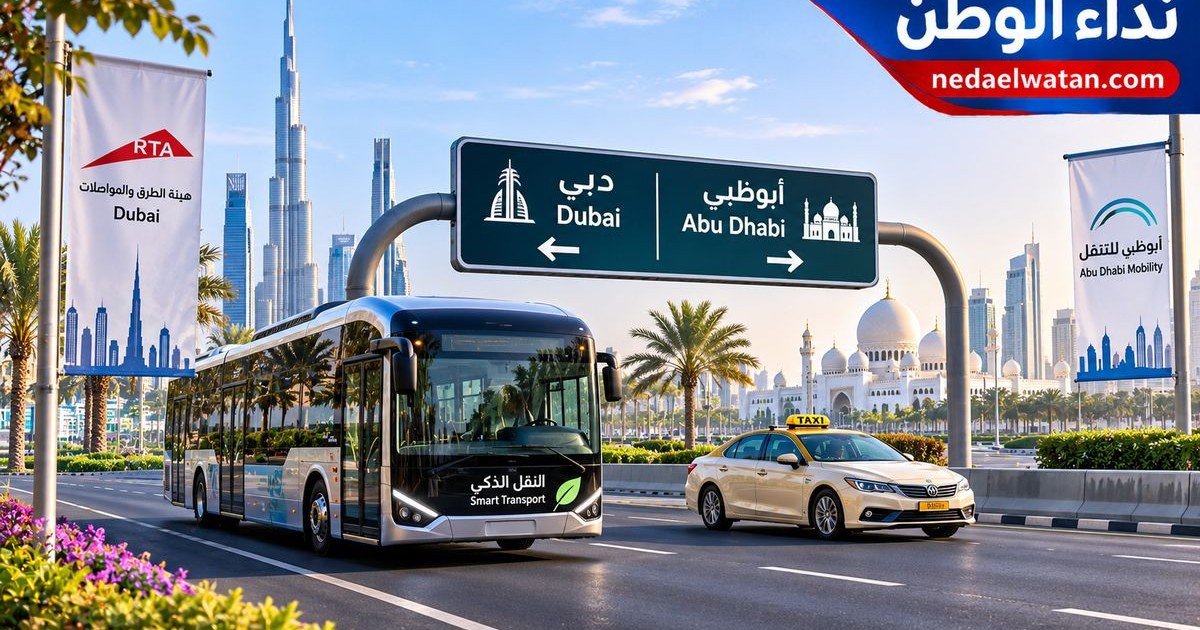
In a significant step towards enhancing transport services, the Roads and Transport Authority (RTA) in Dubai and the Integrated Transport Centre (Abu Dhabi for Mobility), affiliated with the Department of Municipalities and Transport in Abu Dhabi, signed a Memorandum of Understanding (MoU) on 16 November 2026. This collaboration aims to promote smart and sustainable transport, develop digital services, and facilitate the exchange of data and technical expertise, fostering integration between the transportation systems of the two emirates and improving service efficiency for citizens, residents, and visitors alike.
The signing of the MoU took place at the RTA headquarters in Dubai, attended by officials and department directors from both entities. It highlights a commitment to expanding institutional cooperation and developing future transport solutions, leveraging artificial intelligence and big data for operational planning and management.
Key Details of the Smart Transport Agreement between Dubai and Abu Dhabi
- Date of Signing: Monday 16 November 2026.
- First Party: Roads and Transport Authority in Dubai.
- Second Party: Integrated Transport Centre, Abu Dhabi for Mobility.
- Type of Agreement: Memorandum of Understanding for cooperation and expertise exchange.
- Main Areas: Smart transport, sustainable transport, strategic planning, digital transformation, and artificial intelligence.
- Sectors Targeted for Coordination: Taxis, buses, and cargo transport vehicles.
- Objectives: Improve operational efficiency and supervision, enhance customer experience.
- Implementation Projects: No specific timeline or budget for defined projects has been announced.
Signing of the MoU between RTA Dubai and Abu Dhabi for Mobility
The agreement was signed by Ahmed Mahboob, Executive Director of the Licensing Agency at the RTA, while Khaled Al-Muqimi, Acting Executive Director of the Licensing and Control Sector at the Integrated Transport Centre, represented Abu Dhabi. The ceremony at the RTA headquarters underscores the mutual commitment to build a framework for exchanging knowledge, studies, and technical insights to improve transport services across the UAE.
This collaboration comes at a time of increasing importance for integrating various transport modes and enhancing digital services that facilitate the movement of individuals and goods, thus improving the operational framework of the transport sector.
Areas Covered by the Smart Transport Agreement
The MoU outlines several technical and regulatory areas aimed at enhancing the transport system, including strategic planning, digital service development, utilisation of big data and artificial intelligence, and sharing specialised studies and expertise.
The announced fields of cooperation include:
- Exchanging expertise in strategic transport and mobility planning.
- Enhancing digital transformation and service development for users.
- Utilising big data for planning and decision-making support.
- Expanding the use of artificial intelligence applications in transport-related fields.
- Improving the management and operation efficiencies of transport systems.
- Exchanging technical studies and best operational and regulatory practices.
- Enhancing coordination in licensing and regulatory matters related to transport between the two emirates.
- Developing future joint initiatives and projects in smart and sustainable transport.
These areas provide a framework for institutional cooperation; however, the implementation of any new technical systems or regulatory changes will require additional procedures and announcements from the relevant authorities.
Facilitating Taxi and Bus Movement between Dubai and Abu Dhabi
One of the practical aspects of the agreement is to enhance coordination in the movement of transport vehicles between the two emirates, particularly regarding taxis, buses, and cargo transport vehicles. The Integrated Transport Centre stated that the cooperation aims to strengthen the integration of licensing and supervision systems by sharing data, experiences, and coordinating related procedures and requirements.
When translated into executive actions, this coordination is expected to support smooth vehicle movement between the two emirates and improve operational and supervisory efficiency and service quality. This aspect is significant for transport companies, bus operators, taxi services, and the logistics sector, as well as for passengers reliant on road transport between Dubai and Abu Dhabi.
However, the announcement did not include immediate changes to taxi or bus fare structures, the launch of new routes, or amendments to vehicle crossing conditions between the emirates. Any such changes would require separate regulatory announcements.
How Can Artificial Intelligence Contribute to Transport Development?
Artificial intelligence is a critical element addressed in the MoU, focusing on leveraging advanced technologies to improve the efficiency of transport systems. Data analysis and AI technologies offer multiple possibilities in the transport sector, such as studying demand patterns for transport services, analysing vehicle movement, identifying operational bottlenecks, and supporting network and service planning.
Advanced analytical tools can assist authorities in comparing operational alternatives, optimising resource allocation, and enhancing control and monitoring mechanisms. Nevertheless, these applications represent potential uses of the mentioned technologies; neither party has officially announced the launch of a unified AI platform or a new data exchange system.
The actual impact of the collaboration will depend on the projects agreed upon for implementation in the future, as well as the quality of data and the integration of systems and the controls adopted for governance and protection.
Ahmed Mahboob: A Partnership to Develop Innovative Mobility Solutions
Ahmed Mahboob, Executive Director of the Licensing Agency at the RTA, stated that the MoU reflects the depth of cooperation and integration among the agencies concerned with transport in the UAE. He noted that institutional partnerships facilitate the exchange of expertise and the development of innovative solutions, contributing to achieving sustainable development goals and enhancing quality of life.
He expressed eagerness for the RTA to benefit from the accumulated experiences of both parties and to develop joint initiatives and projects that enhance transport sector efficiency while supporting digital transformation and the employment of advanced technologies for the benefit of users.
Khaled Al-Muqimi: Enhancing Licensing and Regulatory Integration
Khaled Al-Muqimi, Acting Executive Director of the Licensing and Control Sector at the Integrated Transport Centre, affirmed that the MoU represents a step towards enhancing integration between the transport systems of Abu Dhabi and Dubai. He emphasised the importance of coordinating procedures and requirements and sharing data and experiences between both parties to support the movement of taxis, buses, and cargo transport vehicles across the emirates.
He noted that the collaboration aims to develop a more efficient, flexible, and sustainable transport system, improving customer experience and enhancing operational and supervisory efficiency. Furthermore, he pointed to aspirations for developing joint initiatives that contribute to accelerating the adoption of modern technical solutions and enhancing the competitiveness of the transport sector in the country.
What is the Importance of the Agreement for the Freight and Logistics Sector?
The announced collaboration extends beyond passenger transport services, it also encompasses regulatory and operational aspects related to freight transport vehicles between Dubai and Abu Dhabi. Effective land transport between cities requires coordination in areas such as licensing, regulation, technical and procedural requirements, and operational management.
The exchange of information and expertise between relevant parties can help identify opportunities for improving procedures and reducing operational complexities, thereby supporting the efficiency of transport and logistics services. This matter holds economic significance, considering the role of land transport in linking industrial, commercial, logistics centres, ports, and markets. However, the announcement did not include any new fee exemptions or changes to freight transport permits or timelines for implementing unified procedures; hence the current systems remain in effect until any official modifications are announced.
Sustainable Transport and Reducing Environmental Impact
The MoU includes enhancing cooperation in the area of sustainable transport, linked to improving resource utilisation efficiency, service development, and limiting unnecessary environmental impacts from mobility operations. Effective planning of transport networks and service integration can enhance operational efficiency and reduce unnecessary journeys while promoting more effective use of public transport.
Achieving tangible environmental outcomes, however, is tied to the nature of future projects, their execution mechanisms, and their impact assessment; thus, it is not possible to determine a specific reduction in emissions or fuel consumption merely from the signing of the MoU. The agreement reflects both parties’ commitments to integrating sustainability considerations with the technical and regulatory development of transport services.
Will Bus and Taxi Fares between Dubai and Abu Dhabi Change?
Neither the RTA in Dubai nor the Integrated Transport Centre in Abu Dhabi announced any fare adjustments for buses or taxis between the two emirates within the context of the MoU. The announcement did not specify the launch of new transport services or a unified booking or payment platform, nor did it include details about changes to existing bus routes.
The current step involves establishing a framework for institutional cooperation and knowledge exchange, alongside developing future initiatives. Consequently, travellers are advised to stay informed through official channels for the latest information on fares, schedules, and routes, and not to interpret the MoU as signalling immediate changes to transport services.
Does the Agreement Mean Unification of Transport Systems between the Two Emirates?
The MoU aims to enhance integration and coordination between the two transport systems, but it does not imply the merging of the RTA in Dubai and the Integrated Transport Centre in Abu Dhabi into a single administrative body. Nor does it announce a unification of all vehicle licensing, payment systems, or transport services immediately.
Institutional cooperation differs from regulatory merging; the former allows for the sharing of expertise, coordination of procedures, and development of joint projects, while the latter requires distinct legal and administrative arrangements that have not been announced in this context.
What are the Next Steps Following the Signing of the MoU?
Both parties highlighted the importance of activating the areas of cooperation outlined in the MoU and developing innovative initiatives and projects that support the integration of transport systems in the UAE. The next phase will focus on identifying priority projects, enhancing coordination mechanisms, and exploring opportunities to leverage modern technologies and available expertise from both sides.
No overall budget for the agreement or binding timeline for implementing specific projects was defined in the statement, nor were quantitative performance indicators announced to measure the results of the collaboration. The direct impacts of the agreement will become clearer with the announcement of executive initiatives, new services, or regulatory updates linked to it.
Official Links for Transport Inquiries in Dubai and Abu Dhabi
Citizens, residents, and visitors can follow services and official announcements through the relevant authorities:
It is advised to consult the service operators directly before travelling, particularly when inquiring about bus schedules, fares, and routes between the two emirates.
Frequently Asked Questions about the Smart Transport Agreement between Dubai and Abu Dhabi
What is the Smart Transport Agreement between Dubai and Abu Dhabi?
It is a Memorandum of Understanding signed by the RTA in Dubai and the Integrated Transport Centre Abu Dhabi for Mobility on 16 November 2026, aimed at enhancing cooperation in smart and sustainable transport, developing digital services, and knowledge exchange.
Who signed the agreement?
It was signed by Ahmed Mahboob, Executive Director of the Licensing Agency at RTA Dubai, and Khaled Al-Muqimi, Acting Executive Director of the Licensing and Control Sector at the Integrated Transport Centre in Abu Dhabi.
Does the agreement include taxis and buses?
Yes, the cooperation areas include enhancing coordination in licensing and regulatory matters related to taxi movement, buses, and cargo transport vehicles between the two emirates.
Will transport prices between Dubai and Abu Dhabi decrease?
The announcement did not cite any decisions on fare reductions or price adjustments, and the signing of the MoU should not be seen as a change in existing fare structures.
How will artificial intelligence be utilised in the agreement?
Collaborative areas involve the use of artificial intelligence and big data to improve transport systems and enhance their management efficiency, though no specific application or launch date has been announced yet.
Have new bus routes been announced between the two emirates?
No, the MoU did not include announcements regarding new bus routes or changes to existing routes.
Will transport licensing be unified between Dubai and Abu Dhabi?
The MoU aims to enhance coordination and exchange of data and experiences between licensing and regulation systems but does not announce a comprehensive unification of licensing.
Where can updates on the agreement be followed?
Updates can be followed through the official websites of the RTA in Dubai and the Integrated Transport Centre, along with government data released by the relevant authorities.
A New Step Towards a More Integrated Transport System in the Emirates
The Memorandum of Understanding between the RTA in Dubai and the Integrated Transport Centre in Abu Dhabi represents an institutional step towards enhancing coordination in the transport sector, expanding collaboration in planning, digital services, artificial intelligence, licensing, and regulation.
The agreement underscores its significance in relation to individual and cargo movement between the two emirates and the potential improvements that might arise from such collaboration in service quality and operational efficiency, ultimately enhancing user experience.
However, the actual impact remains contingent upon translating the MoU’s provisions into actionable and measurable initiatives, officially announcing their outcomes, and realising the objectives of smart and sustainable transport while fostering integration among the emirates of the nation.
المصدر – الموقع الرسمي: نداء الوطن.