
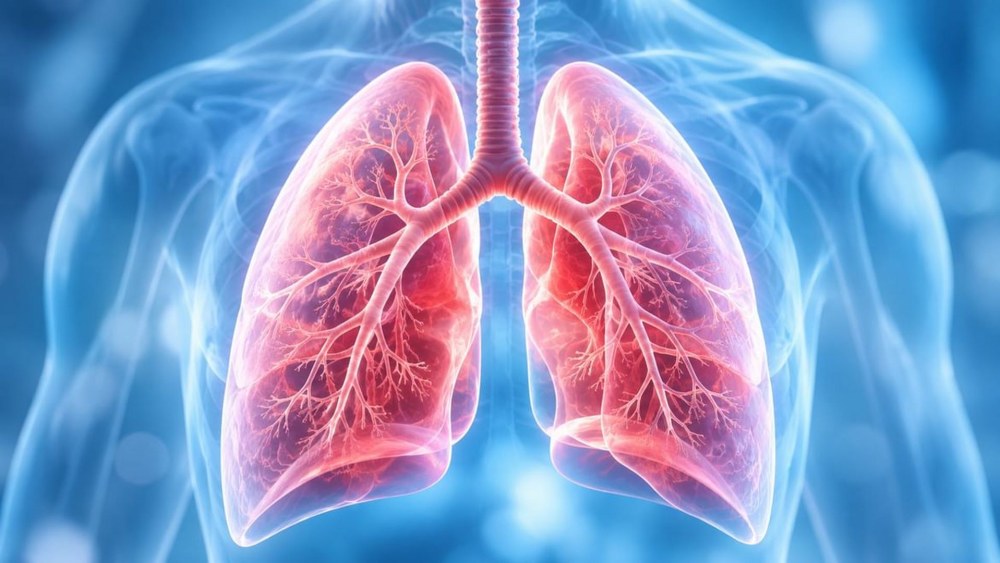
On 25 September each year, nations across the globe celebrate World Lung Day under the theme “A Lifetime of Lung Health”. As part of this initiative, the United Arab Emirates (UAE) continues to leverage cutting-edge medical innovations to enhance the diagnosis and treatment of lung diseases, including lung cancer, while improving early detection rates.
Advancements in Lung Health Technology
Recent technological advancements have revolutionised the landscape of lung cancer care, contributing to earlier diagnoses and more precise treatments. Tools such as artificial intelligence, electromagnetic navigation bronchoscopy, endobronchial ultrasound, and robotic-assisted bronchoscopy are at the forefront of these developments. These innovative methods enable healthcare professionals to access small or hard-to-reach pulmonary nodules, facilitating more accurate sampling and diagnosis.
Expert Insights on Early Detection
Dr Zaid Za’mat, Head of the Respiratory Medicine and Pulmonary Department at the Cleveland Clinic Abu Dhabi, emphasised that technological progress has significantly enhanced early detection of lung cancer. “The evolution of these technologies has redefined lung cancer care, boosting diagnostic accuracy while offering less invasive treatment options that improve recovery chances,” he noted.
He explained that over the past decade, Cleveland Clinic Abu Dhabi has implemented an advanced bronchoscopy system, integrating both endobronchial ultrasound and electromagnetic navigation. This system operates similarly to a GPS, guiding healthcare professionals to hard-to-reach areas within the lungs to obtain necessary tissue samples for diagnosis.
Robotic-Assisted Innovations
In a recent development, the hospital launched the first robotic-assisted bronchoscopy platform in the Middle East. This platform enhances the capability to reach deeper regions of the lungs with improved precision, allowing for sampling of smaller or awkwardly located nodules that may serve as early indicators of cancer.
The Future of Lung Cancer Management
Dr Za’mat highlighted that the future of lung cancer management is steering towards increased early detection, accuracy, and tailored treatment plans. Recent advancements in immunotherapy have transformed cancer care by bolstering the immune system’s ability to recognise and attack cancer cells, thus becoming a vital component of modern treatment strategies for certain lung cancer patients and improving clinical outcomes.
He concluded that the integration of advanced screening programmes, minimally invasive procedures, molecular testing, artificial intelligence, robotics, liquid biopsies, and personalised therapies over the next decade will facilitate earlier disease detection. This evolution stands to identify the most suitable treatment options while continuously improving survival rates and quality of life for patients in the UAE.