
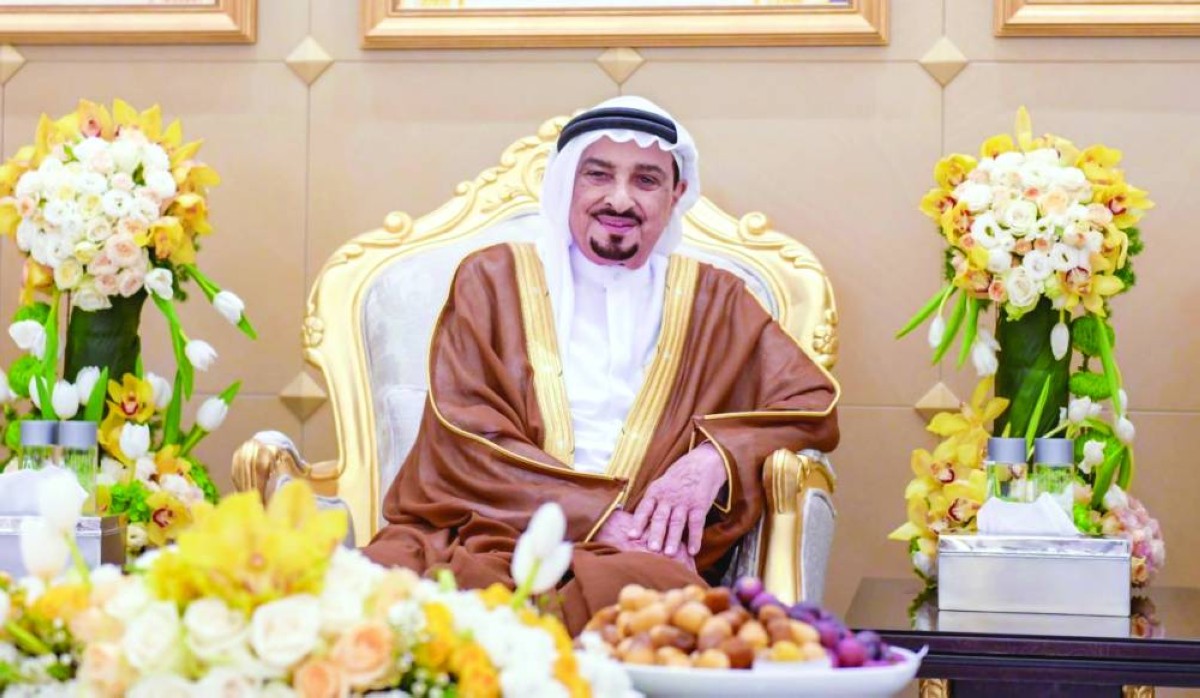
Today marks the 45th anniversary of Sheikh Hamid bin Rashid Al Nuaimi’s ascendance to leadership in Ajman, following in the footsteps of his late father, Sheikh Rashid bin Hamid Al Nuaimi. Since 1981, Ajman has undergone a remarkable transformation, evolving from a traditional emirate into a modern hub comprising advanced cities, infrastructure, institutions, and diversified economic sectors. Under Sheikh Hamid’s stewardship, Ajman’s development has emphasised building human capacity, developing institutions, enhancing infrastructure, and creating a conducive investment environment, all of which have contributed to the emirate’s integral role in the broader development narrative of the UAE.
Economic Foundations and Infrastructure Development
Throughout Sheikh Hamid’s reign, significant strides have been made in bolstering Ajman’s infrastructure and economic fundamentals. The establishment of Ajman Port and the Ajman Free Zone has played a pivotal role in enhancing the emirate’s economic landscape. Education and community engagement have been central to this journey, underpinning the development framework of Ajman. This multifaceted progress has evolved through various stages, starting with essential infrastructure enhancements, followed by the establishment of educational, economic, and social institutions.
Investing in Education and Innovation
Education has been a cornerstone of Sheikh Hamid’s vision. He regards it as paramount for investment in individuals and a critical element for future prosperity. His commitment is exemplified in the launch of the Rashid bin Hamid Award for Culture and Sciences in 1983, designed to foster knowledge and culture. This initiative has evolved into a hallmark of educational excellence over the decades, honouring outstanding academic and intellectual achievements.
The establishment of Ajman University in 1988 marked a significant milestone in higher education, turning Ajman into a centre for academic pursuits not only within the UAE but also attracting international students. The university has become a key player in equipping future generations with necessary skills and knowledge, further elevating Ajman’s educational landscape.
Diverse Economic Growth
Ajman has witnessed a gradual yet profound transformation of its economy, with trade, industry, investment, and services emerging as primary growth drivers. The establishment of the Ajman Free Zone in 1988 has further enhanced the emirate’s investment climate, providing a robust platform for over 9,000 companies from more than 145 countries, showcasing the diverse investor base. Indicators reveal a diversified economy projected to reach a GDP of 38.55 billion dirhams in 2024, with significant contributions from the manufacturing, retail, and construction sectors.
Improvements in industrial infrastructure continue with an anticipated increase in the number of industrial facilities, suggesting an expanding business community. Recent statistics highlight that by 2025, construction contracts are expected to exceed 17.4 billion dirhams, with 5,719 building permits issued, indicating vigorous urban development and investor confidence.
Expanding Urban Development
Economic and population growth has prompted extensive urban development in Ajman, transforming its landscape through improved roads, public facilities, and residential and commercial areas. By the end of 2025, the length of paved roads is anticipated to surpass 1.3 million metres, supported by the construction of new roads that will enhance connectivity throughout the emirate.
This urbanisation is not merely a response to growth but has become a catalyst for enhancing living standards and economic productivity, as evidenced by a 121% increase in real estate development projects during 2025.
Embracing Smart Governance
In conjunction with these advancements, Ajman has developed a more efficient and adaptive government system. The establishment of the Executive Council in 2003 marked a crucial step in refining government operations and policy-making. The emirate celebrated a decade of digital transformation in February 2026, evolving from digitised services to integrated systems that leverage data and artificial intelligence. The ‘Ajman One’ application has emerged as a central platform for government services, offering over 40 smart services in multiple languages and garnering numerous awards for excellence.
Fostering Community and Humanitarian Values
Ajman’s development embodies a commitment to community welfare, reinforcing the importance of familial stability and social solidarity. Sheikh Hamid is renowned for his close engagement with citizens, establishing numerous charitable and social institutions, including the Global Charity Works Authority in 1984, which has made significant contributions to humanitarian efforts both locally and internationally.
Cultural Heritage and Tourism
Tourism has become a new pillar of economic diversification in Ajman, capitalising on its coastal location and natural beauty. The emirate’s tourism strategy aims to diversify offerings to include cultural and nature-based experiences, with the eco-tourism project in Masfout earning the title of “Best Tourism Village in the World 2025” from the UN World Tourism Organisation. Initiatives to enhance the tourism sector include delaying payment deadlines for tourism fees and waiving entry fees to museums, with a focus on integrating technology to enhance visitor experiences.
Commitment to Sustainability
Sheikh Hamid’s approach has ushered Ajman into an era focused on sustainability and the green economy. The Ajman 2021 vision is a testament to this commitment, which has further evolved into the Ajman 2030 vision, aimed at reducing emissions and enhancing waste management practices. By 2025, 16,314 green buildings were recorded in the emirate, showcasing the commitment to environmentally friendly development.
Preserving Identity and Heritage
While embracing modernity, Ajman has successfully preserved its cultural identity and heritage. Traditional sports such as camel racing and equestrian competitions have received significant attention, reflecting the emirate’s dedication to maintaining its roots amidst contemporary advances.