
29 أغسطس 2026 18:05 مساء |
آخر تحديث: 29 أغسطس 18:09 2026

الخلاصة

مهرجان المالح والصيد البحري بدبا الحصن يقدم ورشاً تفاعلية لتعريف الأجيال بالتراث البحري ودمجه بإبداع معاصر مع سوق وأنشطة ثقافية
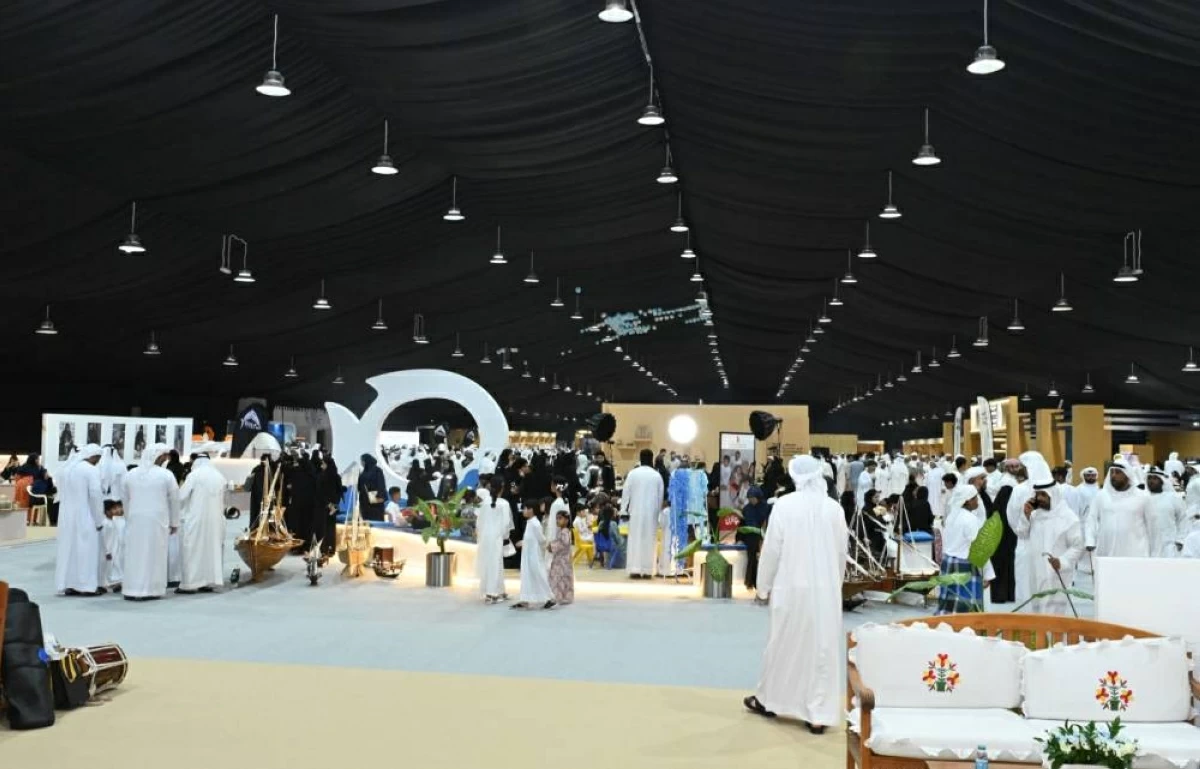
The Maritime Heritage and Fishing Festival, organised by the Sharjah Chamber of Commerce and Industry and the Dibba Al-Hisn Municipality, continues to showcase its cultural and interactive heritage activities at Al-Hisn Island. The festival features a series of workshops and artistic practices inspired by the Emirati marine heritage, offering educational and creative activities that blend traditional elements with contemporary methods. This is in tandem with the bustling commercial activities at the “Salt Market,” which includes sections for family-run businesses and agricultural produce.

The festival includes various educational workshops addressing topics related to the marine environment and local heritage. These include the “Fishing Values” workshop, the “Aquarium Workshop,” and the “Traditional Pottery Workshop,” giving participants insight into the creation of traditional maritime pottery. Additionally, creative workshops combine traditional crafts with modern design, featuring activities such as “Bag Printing” and “Tilly Key Chains,” along with “Doll Pond” and “Happy Family Harbour,” allowing attendees to engage with skills derived from local culture in an interactive manner.
Fostering Maritime Heritage
Mohammed Ahmed Amin Al Awadi, Director General of the Sharjah Chamber of Commerce and Industry, stated that the series of interactive workshops embodies the chamber’s vision to transform the festival from a seasonal economic and heritage event into a sustainable educational platform that instils maritime heritage within the younger generation. He explained that the choice of workshop topics aims to transmit ancestral maritime skills to youth in a palpable, practical manner. The integration of traditional crafts with contemporary creative products encourages youth to invest in their heritage through modern entrepreneurial and artisanal pathways, aligning with the chamber’s initiative to empower young entrepreneurs and connect tradition with future job opportunities.

The “Samagh Bag” Workshop
Among the training workshops is the “Samagh Bag” workshop, which introduces visitors to the tools used by fishermen and methods of fish preservation. The agenda concludes with the “Precious Pearl” workshop, focusing on the history of pearl diving. Each workshop lasts between 30 to 60 minutes to accommodate the understanding level of the various age groups. Registration for these workshops is available daily through a designated online platform where visitors can select their preferred day and workshop.
The topics covered in these workshops reflect a comprehensive approach, illustrating the diversity of the program’s aims. Some reinforce traditional maritime crafts through subjects derived from the rich coastal environment, such as creating “Jahal,” “Samagh Bag,” and “Precious Pearl,” contributing to the practical transference of ancestral maritime skills to the youth. Others merge authenticity with modern creative industries, like “Tilly Key Chains” and “Bag Printing,” encouraging youth to leverage their heritage in contemporary artisanal frameworks.
Visitors and participants have praised the organisational efforts and electronic registration processes, highlighting the event’s success in merging economic, heritage, and educational aspects. The central “Salt Market” offered a variety of marine products, alongside the vibrant local culinary area and stands for local agricultural products. Additionally, participating companies showcased innovative ideas for entrepreneurs interested in investing in the fishing industry.
The festival continues to welcome visitors from 9:00 AM to 9:00 PM until its conclusion on Sunday, 30 August. The public is invited to enjoy folkloric shows, cultural contests, and diverse marine and heritage products in a celebration that combines enjoyment and educational value, reaffirming that well-designed heritage events can become powerful drivers of knowledge and community belonging, with added value to both the tourism and investment sectors in the Eastern region.