
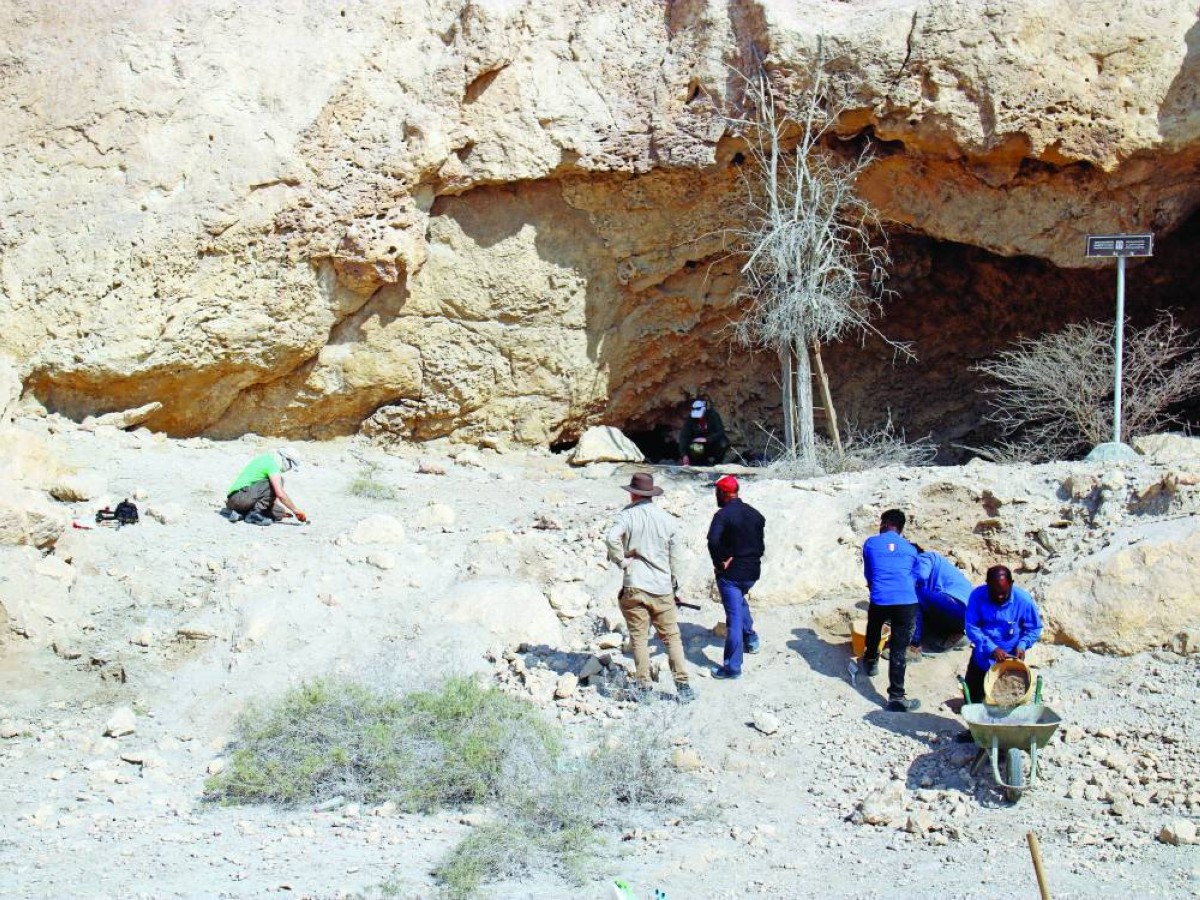
The archaeological discoveries and studies announced by the United Arab Emirates in 2026 have unfolded new chapters in the history of human settlement, economic life, and culture within the region. These findings not only reshape our understanding of the area, ranging from prehistoric times through to the Bronze Age, but also reinforce the UAE’s status as a significant centre for archaeological research and the study of regional history.
Unearthing Evidence of Early Human Activity
Continuing scientific surveys and excavations throughout the UAE have revealed critical evidence that enhances our comprehension of the communities that once thrived in the region, their adaptive strategies to environmental changes, and their connections with surrounding locales. In Sharjah, results from an international research project have provided new insights into the recurring habitation of the Buhays site over various periods. This challenges previously established assumptions regarding human settlement in the area.
The study, published in Nature Communications in March 2026, uncovered signs of human activity spanning an impressive timeframe from approximately 60,000 to 16,000 years ago, offering a record that illustrates human adaptation to climatic and environmental transformations. Furthermore, these findings are particularly significant as they demonstrate that human groups returned to this region multiple times during dry spells, adding new evidence to the archaeological record of human presence in the UAE.
A Landmark Discovery in Al Ain
Adding to these remarkable discoveries, the Department of Culture and Tourism – Abu Dhabi announced in July 2026 the finding of a burial site dating back to the late Wadi Suq period and the Bronze Age, approximately 2000 to 1300 BC. This site, part of the Qattara archaeological complex in Al Ain, marks a vital addition to the archaeological record and opens new avenues for studying the societies that inhabited this area.
Notably, this burial site exhibits exceptional preservation, as it was constructed using repurposed stone blocks from older funerary structures associated with the Umm an-Nar culture, which thrived between approximately 2700 and 2000 BC. This showcases the succession of civilizational phases and the practice of reusing structures.
The burial chamber measures approximately 11 metres by 2.5 metres and served as a communal grave for hundreds of individuals over at least a millennium, covering the Wadi Suq period and continuing into the Iron Age. Within the site, artefacts such as pottery, weapons, and personal ornaments have been discovered, and the human remains and objects are currently undergoing specialized study.
Advancements in Archaeological Studies
Recent studies include isotope analyses and DNA testing aimed at exploring ancient trade networks, lifestyles, dietary patterns, health, diseases, and migration routes of prehistoric populations, thereby creating new research opportunities. The Qattara burial site adds to the rich archaeological landscape of Al Ain, which was inscribed on UNESCO’s World Heritage List in 2011, providing a new dimension to the study of societal and cultural evolution during prehistoric times.
International Recognition and Cultural Heritage
2026 also marked a significant milestone in international recognition for UAE archaeological sites, with the Ministry of Culture announcing the registration of five new Emirati sites on the list of the Islamic World Educational, Scientific and Cultural Organization (ISESCO) for material heritage. These sites include Saruq Al Hadid in Dubai, alongside four locations in Sharjah: Al Fayah site in the Central Region, historical towers and forts in Khor Fakkan, Al Nahwa area, and Wadi Al Helo.
This registration reflects the diversity of the country’s cultural and archaeological heritage, which spans settlement sites, mining locations, rock engravings, forts, and sites linked to trade and social life, further enhancing the UAE’s cultural and historical presence both regionally and globally.
Wadi Al Helo boasts Bronze Age rock engravings and remnants of historical villages, whereas the towers and forts in Khor Fakkan represent an integrated defensive system indicative of the city’s strategic importance throughout the centuries, including the Portuguese fort and Al Adwani Tower. The Al Nahwa area is noted for its archaeological and cultural significance, with rock engravings dated from the Bronze Age to modern times, documented through three-dimensional digital techniques. Additionally, the Al Fayah site continues to gain prominence in international research for its value in studying ancient human history and adaptation to desert environments.
Saruq Al Hadid, a prominent archaeological site in Dubai, further affirms the expanding range of Emirati locations included on lists of cultural heritage in the Islamic world.
Future Research and Preservation Efforts
Beginning in 2026, Al Fayah entered a new phase of scientific investigation with a grant spanning from 2026 to 2028, amounting to two million dirhams, intended to support specialized studies and deepen knowledge of the site, environmental changes, and the development of human life in the region.
The UAE continues its commitment to documenting and protecting its archaeological and historical sites, encompassing the re-registration of sites, delineation of boundaries, status examinations, and planning for surveys and excavations to preserve the evidence chronicling the history of the communities that once thrived on its land.
The outcomes from 2026 reveal that archaeological work in the UAE transcends mere site discovery, involving excavation, analysis, restoration, documentation, scientific research, and international recognition. This holistic approach transforms discoveries into cumulative knowledge that enriches our understanding of the UAE’s historical narrative and civilizational significance.