
In an innovative move, the Dubai Autism Centre has rolled out a suite of new educational and therapeutic programmes for 153 students during the 2026-2027 academic year. These initiatives are designed to foster social and life skills while promoting independence. They also target challenges related to behaviour, sleep difficulties, and food selectivity.
The Centre is integrating virtual reality technologies into its Applied Behaviour Analysis (ABA) programmes, alongside an intensive training programme aimed at enhancing the capabilities of educational and therapeutic staff. This approach is expected to better cater to the individual needs of each student, enabling them to apply the skills learned in daily life situations.
The beneficiaries include 91 children enrolled in the educational system, with 34 of these being Emirati, and 62 children receiving clinical support, 37 of whom are Emirati. This diverse demographic underscores the Centre’s commitment to tailor interventions that address specific individual needs.
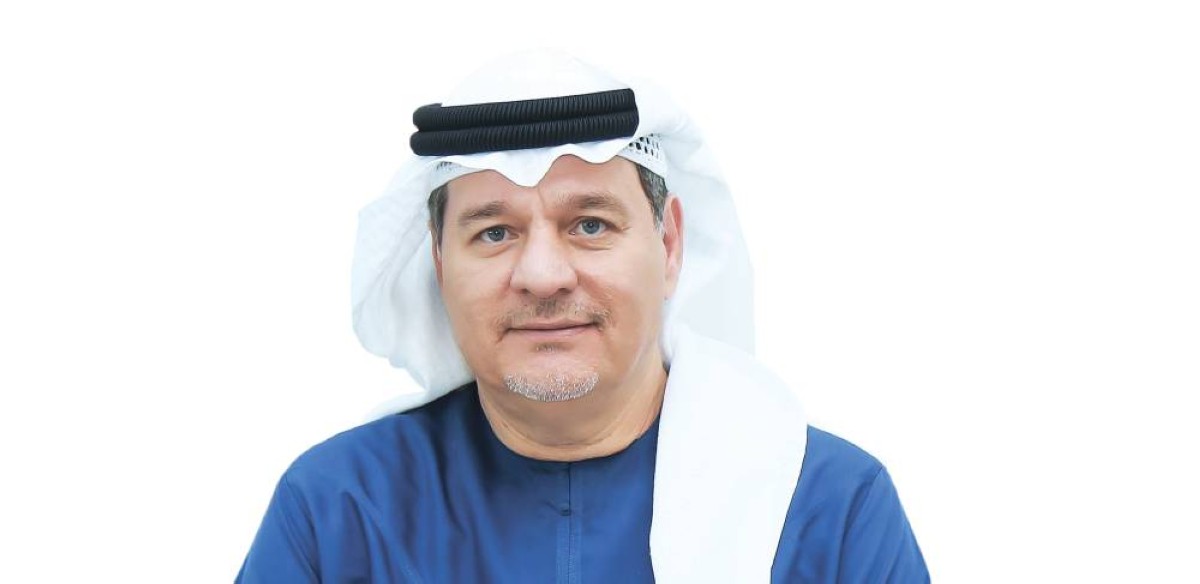
Mohammed Al-Amadi, the Centre’s Executive Director and Board Member, stated, “Our priority is to ensure that every student receives an educational and therapeutic experience tailored to their abilities and needs, allowing them the best opportunities to realise their potential.”
He added that the introduction of these new programmes reflects the Centre’s ongoing commitment to developing its services in accordance with the latest global practices. This aligns with strategic goals aimed at empowering people of determination and enhancing their active participation in society.
Promoting Independence
The new programmes include Explores AIM, a dedicated initiative for developing social skills in early intervention learners, focusing on enhancing social interaction and participation. Additionally, the Emergence LIFE curriculum aims to teach practical life skills, empowering students to become more independent in their daily tasks.
To support positive behaviour, the Centre implements Universal Protocols, which are comprehensive preventative measures designed to preempt challenging behaviours by fostering supportive educational environments. The Centre also utilizes Practical Functional Assessment/Skill-Based Treatment (PFA/SBT) to identify factors related to challenging behaviours, teaching students effective and appropriate alternative behaviours.

Dr Nicholas Orland, Executive Director of Educational and Therapeutic Programmes at the Centre, emphasised that the new initiatives target specific developmental and functional areas while promoting the Centre’s individualised approach to designing educational and therapeutic programmes.
“The new academic year presents us with an opportunity to expand the evidence-based practices available to our students. Our goal is not only to teach isolated skills but also to identify the most pertinent skills for each student and provide opportunities for functional and meaningful application in various environments,” he explained.
Both Explores AIM and Emergence LIFE are significant additions to the Centre’s offerings, with social interaction and daily living skills being foundational for long-term independence. The application of Universal Protocols alongside PFA/SBT furthers the Centre’s focus on preventative and functional interventions for addressing challenging behaviours.
“Understanding the roots of challenging behaviour is key to developing effective interventions. The PFA/SBT process offers a structured framework to identify factors associated with this behaviour, and more importantly, teaches children functional and socially appropriate alternative behaviours. This focus allows us to pivot towards prevention, skills acquisition, and enhancing the child’s quality of life, rather than only reacting after behaviour occurs,” he added.
Specialised Assessments
The latest developments also include the introduction of specialised assessments for sleep difficulties and food selectivity, addressing issues that directly impact the quality of life of both child and family, extending beyond the educational and therapeutic settings.
The sleep difficulties assessment aims to explore issues related to inadequate sleep or reliance on specific conditions or habits for sleep, while the food selectivity assessment focuses on gradually helping children to broaden their acceptance of various foods.
Interactive Experiences
In line with the utilisation of technology in educational and therapeutic practices, the Centre is incorporating virtual reality (VR) techniques into its ABA framework, providing students with additional opportunities to practice skills in virtual environments that mimic diverse situations.
This technological integration aims to enhance skill generalisation, enabling students to transfer what they learn in structured educational or therapeutic settings to various real-life contexts. Dr Orland noted, “Skill generalisation is one of the most critical considerations in effective behavioural interventions. A student may successfully perform a skill in a structured educational environment, but the ultimate goal is to have them utilise that skill independently and appropriately in real-life situations. Virtual reality presents an additional tool that enables us to design diverse, interactive, and structured learning experiences that support this process.”
Modern Approaches
Alongside programme developments, the Centre places significant emphasis on the continuous professional development of its educational staff. In August, personnel underwent a 40-hour professional development training programme in preparation for the new academic year.
This training includes the latest methodologies grounded in humane and compassionate approaches to ABA, alongside preventative measures for challenging behaviours and educational strategies connected to ABA programmes, as well as personal and professional skill development.
These enhancements reflect the Dubai Autism Centre’s goal of fostering a more flexible educational and therapeutic framework that focuses on individual differences, skill development, and promoting independence. This approach equips students to apply what they learn across various aspects of their daily lives, enhancing their active participation in their families, schools, and communities.
Autism Spectrum Disorder is a developmental condition that affects communication, social interaction, and behaviour, typically emerging in the early years of life. Since individuals’ needs and capabilities vary widely, personalised and specialised interventions are essential in supporting children and empowering them to develop their skills.