
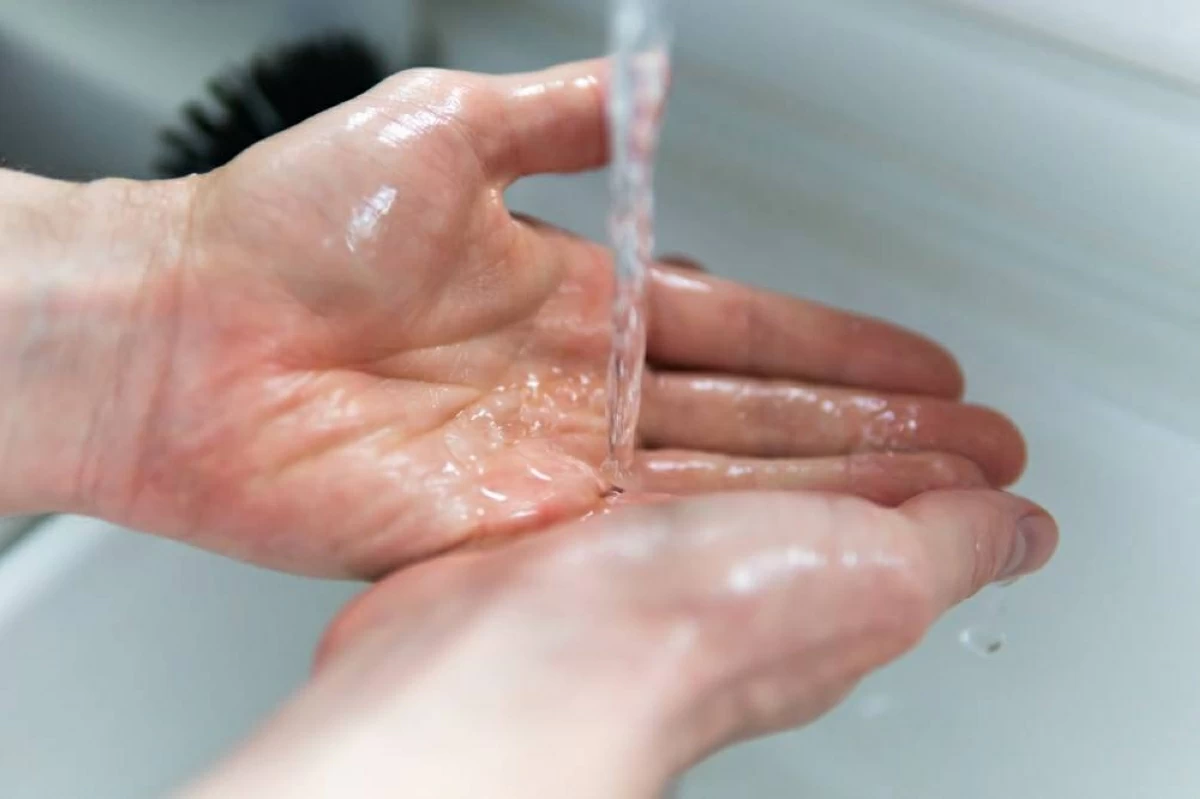
In recent weeks, a disturbing trend has emerged among teenagers on social media platforms, known as “Burn or Break Apart”. This phenomenon involves adolescents pouring scalding water or hot liquids onto their arms and filming the act to gain likes and views. While the brief moments captured in online videos may seem trivial, the consequences are anything but. Medical experts have reported numerous cases of severe burns resulting from this reckless behaviour, leading to significant health risks and long-lasting injuries.
Health Implications
Doctors have expressed their deep concern over the trend, particularly highlighting the immediate and long-term physical dangers it poses. Dr Marium Al Suwaidi, a consultant dermatologist and head of the Dermatology Department at Sheikh Shakhbout Medical City, notes that the injuries sustained vary widely in severity. Due to the temperature of the water and duration of contact, victims may suffer from anything ranging from superficial burns to severe nerve damage, underscoring the urgent need for increased awareness and intervention from families, schools, and the media.
Dr Al Suwaidi elaborated that burns are classified into three categories: first-degree burns, which cause mild redness and heal without scarring; second-degree burns, which can blister and may heal with or without scarring; and third-degree burns, resulting in complete skin loss and permanent numbness in the affected area. Importantly, the extent of the injury largely depends on how long the skin was exposed to the heat source.
Misguided Treatment Practices
Dr Khalood Al Shami, a burns specialist, has noted an alarming trend in the treatment approaches taken by victims after injuries occur. Common misconceptions include applying oils, toothpaste, or ice directly to burns, as well as neglecting professional evaluation. Such actions can exacerbate the damage and lead to complications.
Finally, the appropriate response involves immediate removal from the heat source and cooling the burn with running water for 15 to 20 minutes, avoiding tight clothing and accessories, and seeking medical attention for proper assessment and treatment.
Long-Term Consequences
Deep or extensive burns, if improperly managed, can lead to ongoing issues, affecting physical and psychological well-being. Dr Al Shami cautioned against using advice from online sources or artificial intelligence as substitutes for professional guidance; only a qualified healthcare provider can accurately assess the wound and determine the necessary care, including whether hospitalisation is warranted.
Underlying Emotional Factors
Aziza Al Maghooli, a psychologist, provided insights into the psychological motivations driving this dangerous behaviour, suggesting it can stem from a profound need for attention. Many adolescents equate their self-worth with social media metrics, where likes and views correlate with personal value.
Young individuals might pour hot water over themselves not out of a desire for pain but rather to affirm their existence. Furthermore, the teenage brain, particularly the reward centre, is highly active, often leading to impulsive behaviours and risk-taking without fully comprehending the potential consequences. Participation in such challenges may also represent a quest for acceptance or bravery within their social groups.
A Call for Parental Awareness
Experts urge parents to observe signs such as excessive digital engagement, mood fluctuations linked to social media interactions, and impulsive decision-making. It’s crucial that children’s self-esteem is nurtured away from screens, and that they develop critical thinking skills to better understand and navigate the digital landscape.
Rethinking Friendship
The rise of these harmful trends has prompted important discussions about the essence of friendship and the boundaries within which it operates. Many young people express a firm stance against linking friendship with self-harm or risk-taking behaviours.
According to Qut Al Kaabi, these actions demonstrate a regressive mindset, as true friendship is founded on mutual respect and support rather than self-injury to prove loyalty. She emphasised that positive relationships should be nurtured through kindness and understanding, not through actions that could lead to pain or suffering.
Hamid Al Balushi echoed this sentiment, asserting that the essence of true friendship lies in shared experiences and support during challenging times, dismissing the idea that harm is a necessary condition for loyalty or love.
Bashayer Al Salami warned against the concerning trend of young people engaging in dangerous behaviours purely for online fame—pointing out that such actions can become normalised within peer groups without proper awareness of the risks involved.
A Community Responsibility
The disturbing trend of “Burn or Break Apart” serves as a stark reminder of the vulnerabilities exposed by the digital age. It is crucial for communities to come together to address this issue, fostering an environment where healthy interactions can flourish. Understanding the psychological drivers behind such behaviours and providing support can make all the difference in steering young people towards healthier expressions of friendship and self-worth.