
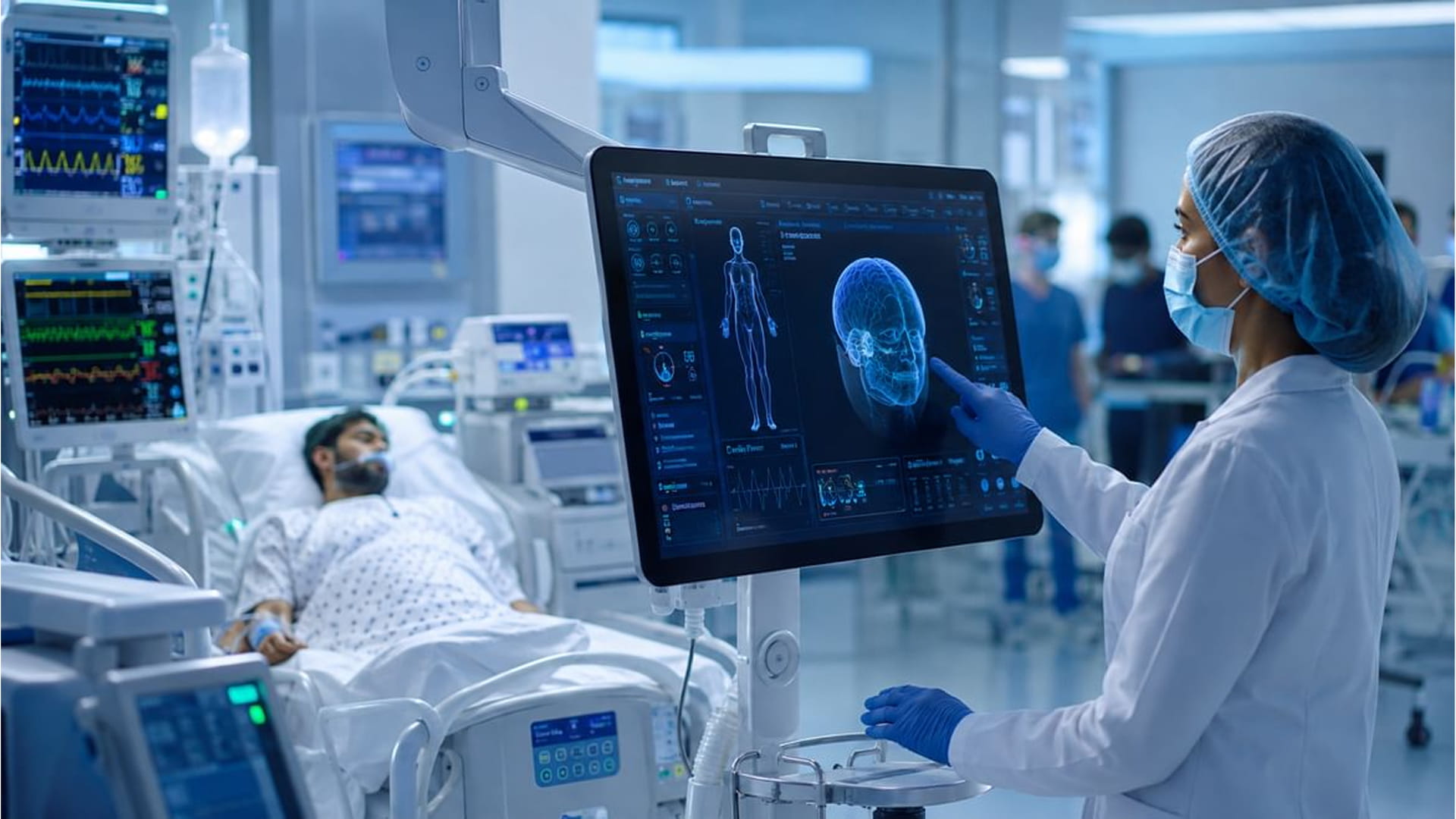
The healthcare system in the United Arab Emirates is rapidly evolving, leveraging the power of medical algorithms and smart technologies to enhance service efficiency, improve diagnostic accuracy, and expedite intervention in critical cases. This transformation is part of an advanced digital framework that prioritises innovation and the adoption of cutting-edge technological solutions.
Abu Dhabi: Leading the Charge in Medical Technology
Abu Dhabi is at the forefront of this advancement, with Cleveland Clinic leveraging the “Transpara” technology to analyse digital mammogram images and identify suspicious areas with high precision prior to human assessment. Additionally, the “ARTIS Icono” system uses artificial intelligence for 3D imaging, assisting urgent interventions for stroke patients. Smart radiation planning software instantaneously adjusts cancer treatment doses while protecting healthy tissue.
The Sheikh Shakhbout Medical City is equipped with smart patient rooms that feature non-contact sensors to monitor vital signs and predict fall risks. Moreover, the “mobiCARE” wireless device is used to monitor cardiac rhythms, sending data in real-time to control rooms. Sheikh Khalifa Medical City and Al Ain Hospital utilise advanced algorithms and intelligent alert systems to predict septic shock and blood poisoning hours before they occur, facilitating timely medical responses.
Digital Innovations Across the Emirates
In the Western Region, hospitals in Dhafra—including those in Zayed City, Ghayathi, and Al Marfa—benefit from connected digital diagnostic kits that enable remote consultations with specialists. Meanwhile, Corniche Hospital employs wireless fetal monitoring systems, early warning algorithms for pregnancy complications, and smart sensors to monitor premature infants. Tawam Hospital in Al Ain uses “Histotripsy” technology to treat liver tumours with focused ultrasound, avoiding surgical intervention.
Dubai is also expanding its use of digital medical technologies. Rashid Hospital and Dubai Hospital operate wireless patient monitoring systems and smart triage software in their emergency departments to accelerate response times for critical cases and reduce waiting periods. At Al Jalila Children’s Specialty Hospital, digital brain mapping devices equipped with advanced algorithms detect seizures and convulsions before they occur, enhancing proactive care for children.
Smart Technology in Sharjah and Beyond
Healthcare facilities in Sharjah are implementing computer vision solutions and intelligent clinical monitoring systems within operating rooms and intensive care units to ensure the highest safety standards, along with digital monitoring technologies for newborns. Khorfakkan and Kalba hospitals utilise wireless fetal monitoring systems and digital wristbands to accurately track patient vital signs.
Abu Dhabi’s developments extend to Ajman, where Sheikh Khalifa bin Zayed Hospital employs digital examination devices and smart beds equipped with sensors to minimise bedsores. Masfout Hospital benefits from digital diagnostic kits that support telemedicine services in mountainous areas, demonstrating the breadth of the digital healthcare infrastructure across the nation.
In Umm Al-Quwain, the health sector has achieved significant progress in digital transformation. Sheikh Khalifa General Hospital employs smart software in dialysis and intensive care machines, alongside digital patches for vital sign monitoring. Umm Al-Quwain Hospital relies on intelligent electronic triage systems in their emergency departments.
A Nationwide Integration of Medical Technology
The integration of digital medical technologies also reaches Ras Al Khaimah, where Saqr Hospital uses wireless monitoring systems for vital signs. Meanwhile, Obaidullah Hospital employs digital medical patches to monitor patients and reduce fall risks. Fujairah Government Hospital utilises digital imaging capsules to capture thousands of images as they pass through the digestive tract, eliminating the need for traditional endoscopy. Additionally, systems that monitor patients post-surgery predict potential complications, while Diba Fujairah Hospital has digital ECG devices that capture and transmit heart signals automatically to patients’ electronic medical records.
This comprehensive rollout of medical technologies across the UAE signifies a transformative shift in healthcare, ensuring high standards of care and improved patient outcomes nationwide.