
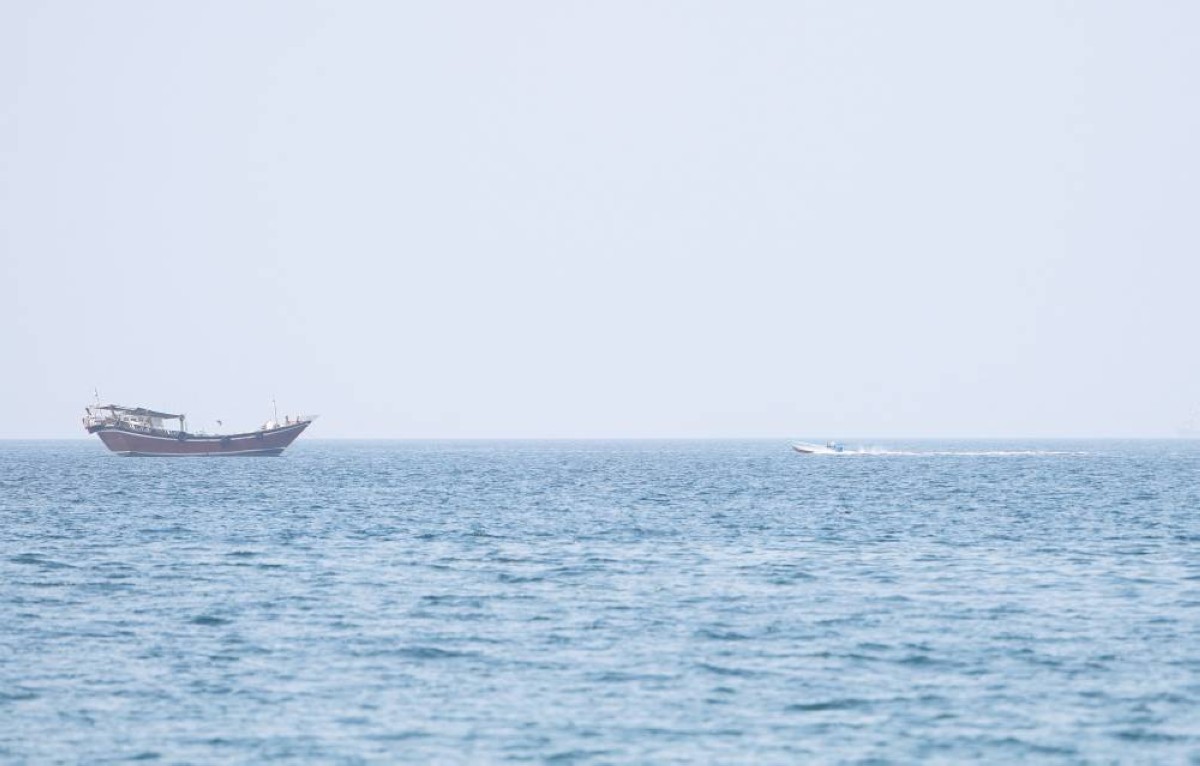
In a troubling escalation of regional tensions, Iran has targeted a vessel belonging to the Abu Dhabi National Oil Company (ADNOC) in the strategic Strait of Hormuz. This attack not only violates international maritime norms but also poses a direct threat to global energy security, according to the United Arab Emirates (UAE) government. The attack has elicited widespread condemnation from various regional and international entities.
Regional and International Reaction
Early reports indicate that the ADNOC vessel was struck by a missile while transiting through the Strait of Hormuz. Fortunately, there were no casualties, and the situation was quickly brought under control. ADNOC urged the public to rely solely on official sources for information, emphasising the need to avoid circulating unverified reports.
The UAE has vocally condemned the “aggressive” act by Iran, declaring it a blatant violation of UN Security Council Resolution 2817, which stipulates the principle of free navigation and the protection of commercial vessels. The UAE Ministry of Foreign Affairs further characterised the attack as an act of piracy by Iran’s Revolutionary Guard, urging that such threats must cease to ensure regional stability and the security of maritime routes.
Support from Bahrain
The Kingdom of Bahrain did not hold back in expressing its condemnation of this Iranian aggression. Describing the attack as a grave infringement of international law, the Bahraini Ministry of Foreign Affairs reaffirmed its full solidarity with the UAE. Bahrain’s government stated that the security and stability of the UAE are integral to its own national security, calling upon the UN Security Council to act decisively to safeguard maritime safety in the Strait of Hormuz.
Wider Gulf Cooperation
Kuwait also denounced Iran’s actions, labelling them a stark violation of international relations and calling for an immediate halt to all escalatory actions. The Kuwaiti Foreign Ministry reiterated its strong support for the UAE in maintaining its sovereignty and security.
Saudi Arabia joined the chorus of condemnation, emphasising that such unacceptable attacks threaten not only maritime safety but also the global energy supply chain. The Kingdom urged Iran to cease these hostile actions, reaffirming its unwavering support for the UAE’s right to defend its interests.
Meanwhile, Oman condemned the recurring attacks on vessels, expressing its concern about their implications for maritime security. The Kingdom of Jordan and Egypt also issued statements denouncing the Iranian attack, reaffirming their commitment to regional stability and supporting the UAE’s position.
Calls for International Action
In light of these events, Jassim Mohammed Al-Budaiwi, the Secretary-General of the Gulf Cooperation Council (GCC), condemned the Iranian aggression with the utmost severity, describing it as a dangerous escalation that directly jeopardises maritime commerce in a vital global waterway. He urged the international community to fulfil its responsibilities in preventing such aggressions and ensuring authentic freedom of navigation.
The Arab Parliament, led by Chairman Mohammed bin Ahmed Al-Yamaahi, echoed these sentiments, pointing out that attacks on commercial vessels threaten both regional stability and international trade. He called upon the international community to guarantee maritime safety and protect vital shipping lanes from threats.
In summary, the Iranian attack on the ADNOC vessel has stirred significant regional outrage and highlighted the precarious nature of maritime security in the Strait of Hormuz. The responses from the UAE, Bahrain, Kuwait, Saudi Arabia, Jordan, Egypt, and various international bodies reflect a unified stance against aggression in an area critical to global energy infrastructure, further underscoring the importance of collective action to maintain peace and security in the region.