
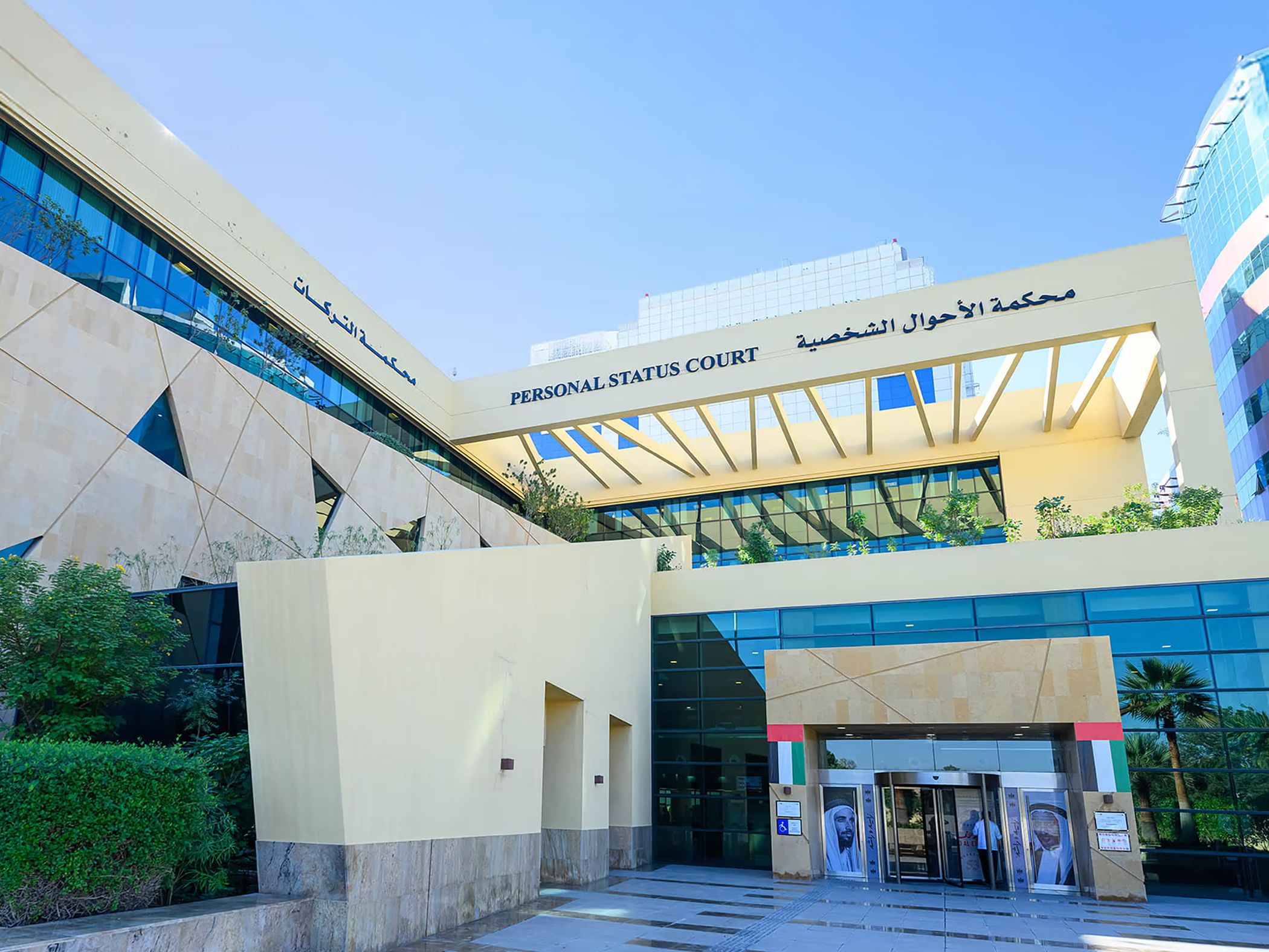
Dubai’s Inheritance Court delivered exceptional results in 2025, resolving estate files worth more than AED5.26 billion and underscoring the effectiveness of a specialist judicial system designed to speed up the transfer of rights, reactivate assets and support both economic activity and family stability.
The court registered 2,214 inheritance files during the year, covering Muslim and non-Muslim estates, as well as cases involving minors, for both citizens and non-citizens.
Strong performance in amicable settlements
In the amicable settlement track, the court succeeded in resolving disputes in 350 of the 368 contested files involving heirs or third parties, achieving a notable success rate of 95.11% for full and partial settlements. Only 18 files, or 4.89%, could not be settled and were referred to the relevant judicial channels. These settlements helped release funds and assets valued at more than AED5.26 billion, ensuring the continued movement of capital in line with legal procedures.
The overall amicable settlement rate reached 92.5% for settlement files, including cases registered before 2025, reflecting the court’s growing role in reducing litigation and accelerating the transfer of entitlements to their rightful beneficiaries.
Faster resolutions and higher judicial accuracy
Average settlement time fell from 24 days in 2024 to 13.8 days in 2025, an improvement of 42%. At the same time, the accuracy rate in lawsuits and judicial rulings rose from 88.3% to 96.9%, an increase of 8.6 percentage points, indicating stronger quality in judicial outputs.
The court issued 49,023 decisions and 448 judgments across the various partial and full circuits at both first instance and appeal levels.
Decline in judicial claims and stronger financial circulation
The total value of claims brought before the court dropped from AED32.87 billion in 2024 to AED9.44 billion in 2025, driven by the expanding role of amicable settlements in resolving disputes.
Financial indicators also showed higher efficiency in managing and rotating entitlements. Amounts received increased by 46% to AED4.76 billion, compared with AED3.26 billion previously, while amounts disbursed rose from AED2.56 billion to AED3.64 billion.
Digital execution expands
Digital execution also advanced significantly, with the number of requests carried out electronically rising to 49,023, compared with 38,610 previously. Execution speed improved from 1.3 days to just one day.
The number of inheritance certificates, or “Shar’iah notifications”, reached 1,467. Amicable settlement agreements covered 1,052 properties, while the number of vehicles included rose to 357 and trade licences to 284, helping to accelerate the transfer of ownership and support the stability of family wealth.
Court leadership highlights broader impact
Dubai Inheritance Court President Judge Mohammed Jassem Al Shamsi said the results demonstrate the effectiveness of amicable settlement in shortening litigation and preserving family ties. He said: “إن محكمة التركات تضع في صميم عملها تحقيق عدالة ناجزة تراعي خصوصية ملفات التركات وأبعادها الأسرية والاقتصادية، وتم تبني مبادرات سيتم الإعلان عنها تخدم العملاء بما فيهم المصارف والبنوك والشركات العقارية، وجاري التوسع فيها تدريجياً بما يحقق الجودة في الخدمات للورثة وذوي العلاقة”.
He added that the court operates within an integrated vision aligned with Dubai’s efforts to develop a judicial system that meets the needs of society and the economy, inspired by the vision of His Highness Sheikh Mohammed bin Rashid Al Maktoum, Vice President and Prime Minister of the UAE and Ruler of Dubai, may God protect him, to make Dubai a global model for efficient government and judicial services.
These efforts, he said, also reflect the directives of His Highness Sheikh Maktoum bin Mohammed bin Rashid Al Maktoum, Deputy Prime Minister and Minister of Finance, First Deputy Ruler of Dubai and President of the Judicial Council, to ensure swift adjudication of inheritance cases and delivery of rights to heirs without compromising justice and fairness. He noted that the court is built on a human-centred system that protects rights through flexible procedures and advanced services.
These achievements highlight the vital role of Dubai’s Inheritance Court, which goes beyond resolving disputes to accelerating the transfer of rights, releasing assets and improving family wealth management. In doing so, it helps drive the economy, reduces the freezing of assets, supports family stability and reinforces Dubai Courts’ standing as a leading global model for swift justice and specialised judicial services.