
The Containment Policy of Iran Has Collapsed Following Its Attacks on Gulf States
Events in the region are escalating amid growing tensions stemming from recent Iranian attacks on the Gulf Cooperation Council (GCC) countries. These attacks, which included missile and drone strikes, indicate the failure of the containment policy that Gulf states previously adopted towards Iran. With increasing concerns about regional security, it seems that Gulf countries now need to reevaluate their strategies in facing new challenges.
Iranian Attacks: A Radical Shift in the Landscape
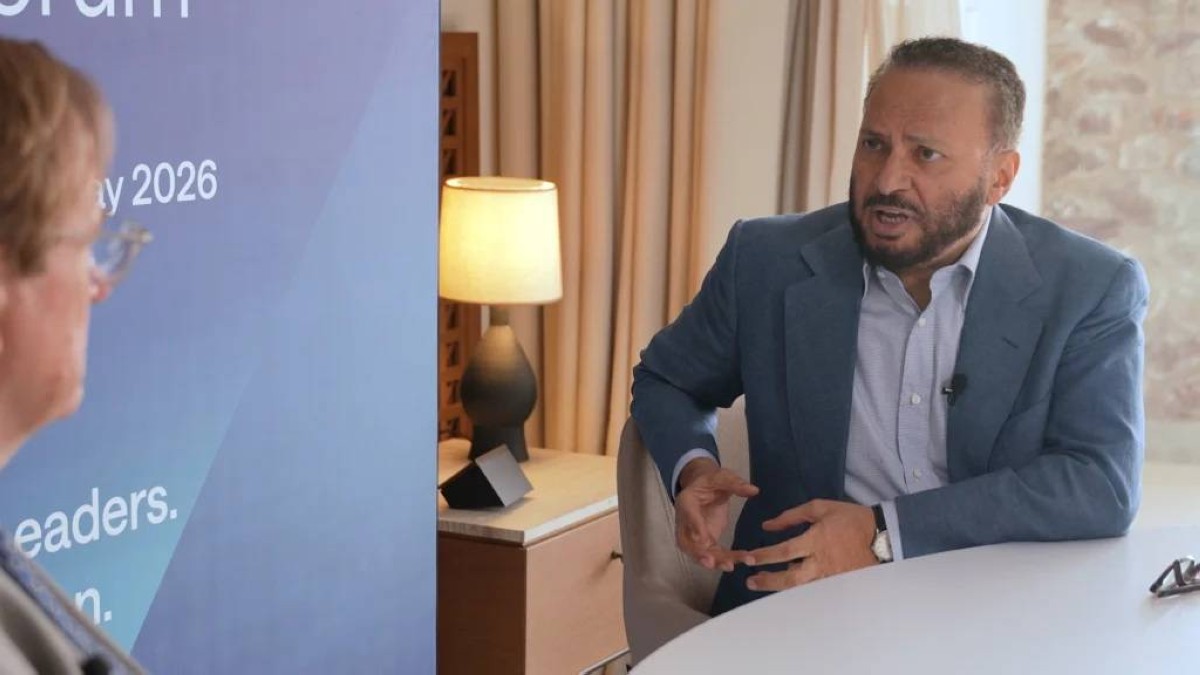
His Excellency Dr. Anwar Gargash, the diplomatic advisor to the President, stated that the Iranian attacks on the UAE and other Gulf countries over the past two months represent the “worst-case scenario” that everyone feared. He clarified that the containment policies against Iran have failed to address these serious events.
In a dialogue with Frederick Kempe, CEO of the Atlantic Council, Gargash affirmed that every Gulf state had expressed a willingness to engage with Iran, believing that trade ties could create a network of mutual interests. However, following the direct targeting of infrastructure and civilians, it became clear that this gamble was unsuccessful.
Loss of Trust and Its Impact on Future Relations
In an analysis of the dimensions of Gulf-Iranian relations, Gargash distinguished between relations and trust, noting that trust has been “broken” as a result of recent events, and restoring it may take a long time. While some forms of relations may return, the negative impact of these attacks cannot be overlooked.
Gargash also emphasized that the UAE was not seeking war and had provided assurances to Iran that its facilities would not be used for military purposes. However, the timing of the attacks indicates that they were premeditated, reflecting Iran’s lack of seriousness regarding those assurances.
Calls for Greater Security Coordination in the Gulf
Gargash expressed his disappointment with the performance of the Gulf Cooperation Council, which has not risen to the challenges posed by Iranian attacks. He called for enhanced security integration among the member states, praising Bahrain’s role in countering Iranian assaults. At the same time, he affirmed that Iran’s strategic failures have underscored the importance of the American role in the region.
Gargash outlined two main priorities: the first is to ensure that Iran does not achieve any geostrategic gains and to focus on restoring the situation in the Strait of Hormuz to its previous state. The second priority concerns Iran’s nuclear program, which has heightened concerns among regional countries following recent events.
Accelerating European-Gulf Relations
Gargash stressed the need to accelerate relations between Europe and the Gulf, considering them to still be “below the level of ambition.” He highlighted the importance of concluding a free trade agreement and enhancing cooperation in technology, navigation security, and energy. He also noted the significant number of European citizens in the UAE, making their security a part of direct European interests.