
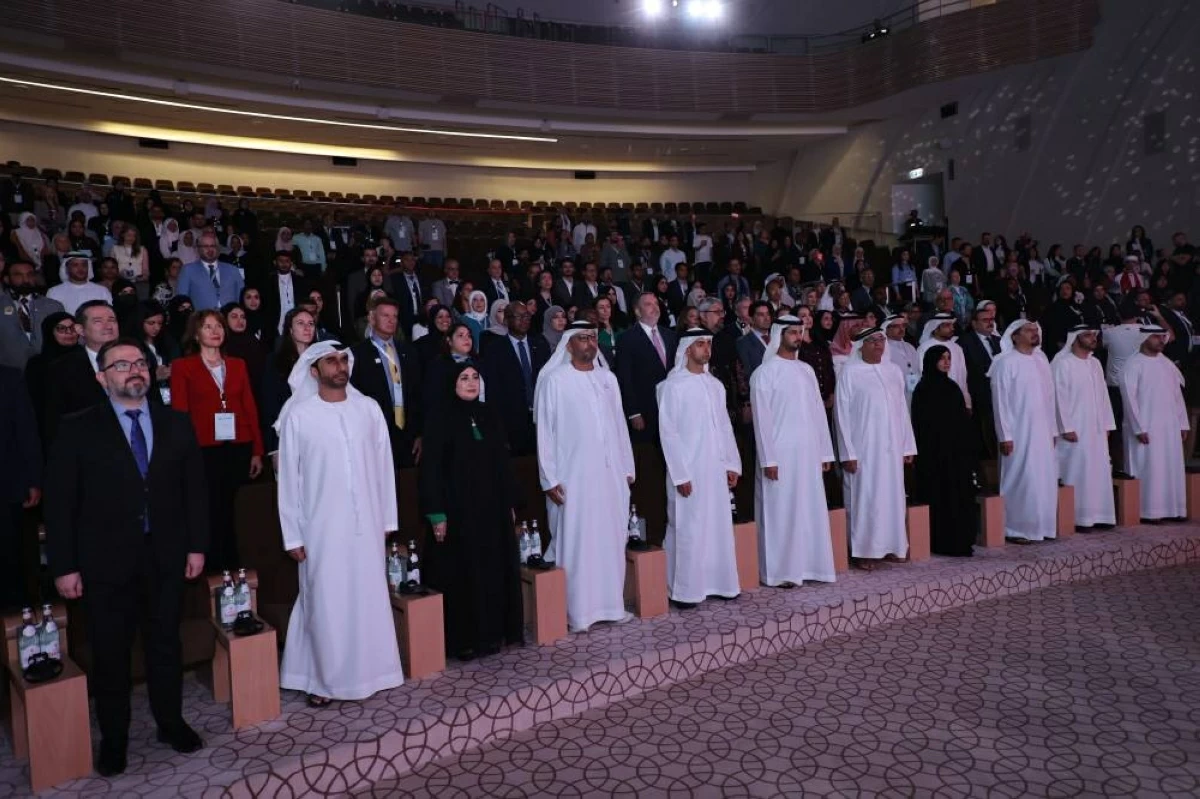
On April 25, 2026, the Fourth International Autism Conference 2026 commenced in Abu Dhabi under the patronage of Sheikh Khalid bin Zayed Al Nahyan, Chairman of the Zayed Higher Organization for People of Determination. This pivotal event, held at the Abu Dhabi Energy Center, focuses on “Autism: Innovation and Artificial Intelligence” and brings together a diverse group of experts, specialists, and decision-makers from around the globe. As the conference unfolds, it promises to shed light on contemporary issues surrounding autism, emphasizing innovative solutions to enhance the quality of life for individuals affected by autism.
Under the collaboration of the Zayed Higher Organization, Lotus Holistic Group, ADNOC, Skills4Mind, and strategic partnerships with Abu Dhabi’s Department of Health, Department of Community Development, and Department of Culture and Tourism, the conference showcases a unified approach that bridges efforts across governmental and private sectors.
Shams Ali Al Dhaheri, Head of the Department of Community Development in Abu Dhabi, notes that the International Autism Conference embodies an ongoing commitment to foster dialogue and exchange expertise among stakeholders. He emphasizes that innovation, particularly in artificial intelligence, is crucial for developing early detection tools, improving assessment accuracy, and enhancing service quality. “These technologies must remain human-centric, directly contributing to a better quality of life,” he asserts.
Al Dhaheri highlights Abu Dhabi’s strategic prioritization of autism, underpinned by a comprehensive vision focused on individuals. The initiative aims to create an integrated system that supports individuals and their families throughout various life stages—from early diagnosis and inclusive education to family support, rehabilitation, and empowerment in adulthood. This strategic direction seeks to boost the independence of individuals and facilitate their active participation in society.
The Department of Community Development, in partnership with governmental entities, the private sector, and the third sector, is working to unify initiatives and enhance integration across various sectors. “This approach reflects Abu Dhabi’s commitment to developing evidence-based policies and creating a comprehensive model that achieves a tangible and sustainable impact on the lives of individuals and their families,” Al Dhaheri adds.
Abdullah Abdul Ali Al Hamidan, Secretary-General of the Zayed Higher Organization for People of Determination, states that the Fourth International Autism Conference 2026 reflects Abu Dhabi’s advanced global status as a center for developing a sustainable, comprehensive system to support and empower individuals with Autism Spectrum Disorder. By adopting cutting-edge global practices and fostering innovation, the conference crucially incorporates artificial intelligence in fields such as diagnosis, rehabilitation, and social inclusion. This integration directly aims to enhance quality of life and promote active community engagement.
With 152 speakers—including 86 international experts—offering over 160 scientific and practical sessions, the conference expects around 6,000 participants, split equally between physical and virtual attendance. This growth is significant, especially compared to just 700 attendees during the first conference in 2023, showcasing the increasing international trust in the event.
Mona Abdel Karim Al Yafai, Director-General of Sharjah City for Humanitarian Services, articulates that the Fourth International Autism Conference 2026 serves as a critical juncture for knowledge exchange while looking ahead to the future of autism-related services. It addresses the urgent need for a comprehensive approach that integrates education, health, family, and community. Al Yafai emphasizes the importance of strengthening partnerships and investing in scientific research and early intervention programs to improve the quality of life for individuals and their families.
Dr. Ghowaiya Al Neyadi, Senior Vice President of National Identity, Quality of Life, and Corporate Responsibility at ADNOC, stresses that empowering individuals with Autism Spectrum Disorder, particularly children, is intrinsic to enhancing quality of life. She highlights the family’s crucial role as a partner in the rehabilitation and support journey, contributing to building a more cohesive and inclusive community.
During the opening session, Ahmed Al Hashimi, an accomplished musician and composer with autism, shared his inspiring journey of self-affirmation supported by his family, alongside details of his global achievements. The session also featured Suwaif Al Mulla, who illustrated how his journey began in 2005 at the Sharjah Autism Center, leading to skill development and success in various artistic fields.
Over four days, the conference will delve into strategic themes like early intervention and diagnosis, artificial intelligence and digital health, employment and workplace integration, along with institutional synergy and translating research into practical applications. The program features a blend of specialized scientific sessions and interactive workshops led by international experts, alongside discussions and presentations showcasing global best practices in supporting and empowering individuals with autism.
The conference also includes a significant innovation exhibition, highlighting advanced technologies and solutions in autism care, with extensive participation from various stakeholders. Kevin Baskerville, Co-Chair of the International Autism Conference 2026, underlines that hosting this prominent global conference reflects a steadfast commitment to enhancing the quality of life for people of determination, firmly establishing the UAE as a worldwide hub for expertise in Autism Spectrum Disorder.
“This conference serves as a premier international platform uniting experts from around the globe to share best practices and the latest research, ultimately contributing to the development of services for individuals with autism and their families,” Baskerville stated. He underscored that community understanding of autism is vital, as is equipping families with the knowledge and tools needed for support.