
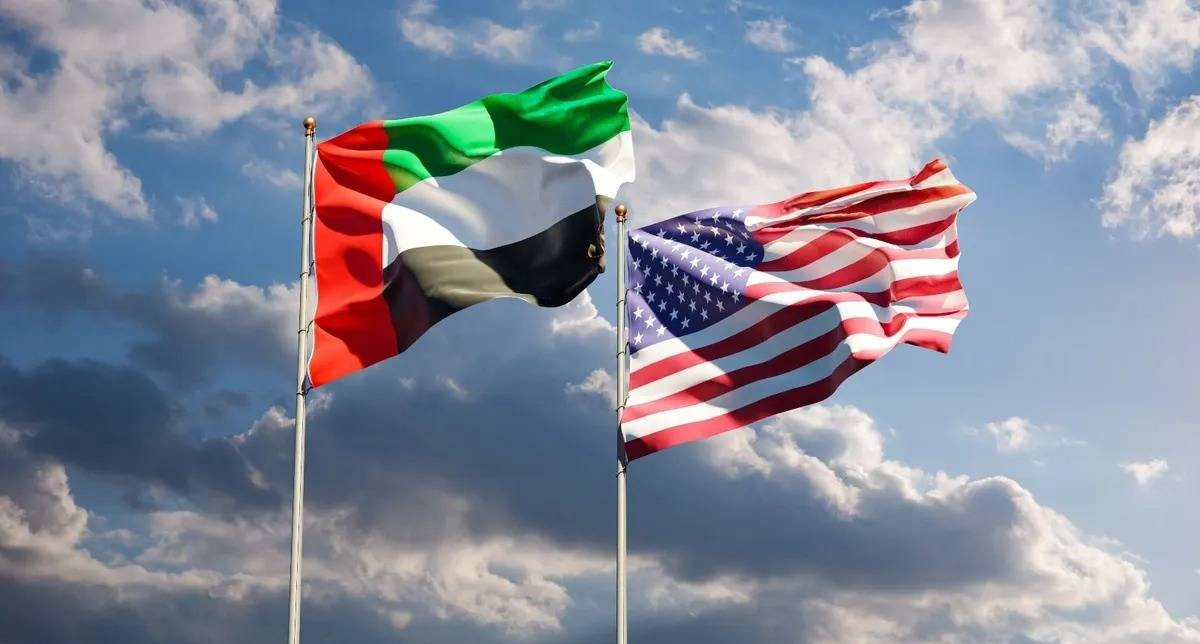
In an increasingly sensitive moment for global financial markets, the concept of the dirham-dollar swap between the UAE and the U.S. has emerged as one of the most anticipated developments in the landscape of international liquidity. This initiative is not simply a response to a sudden crisis; rather, it reflects the maturity of monetary policy in the UAE and the depth of its partnership with the United States. As the dollar retains its status as the backbone of the global financial system, more open and influential economies are taking proactive measures to ensure continued access to financing and to reduce market sensitivity to abrupt fluctuations.
A Proactive Measure for Stability
International media have largely converged on the essence of the dirham-dollar swap, considering this “swap” as a sophisticated tool for liquidity management and financial hedging. Observers argue that the UAE’s move isn’t driven by necessity, but rather a strategic effort to enhance preemptive financial stability. Should this arrangement materialize, it won’t be confined to a bilateral relationship; it could contribute to the overall stability of the global financial system by supporting dollar markets and mitigating volatility while reinforcing the UAE’s role as a pivotal financial player in the international liquidity network.
Multi-Faceted Perspectives
Various global outlets have reflected this understanding from different angles. Reuters pointed out that the swap line is “under study,” emphasizing that it serves as a precautionary step to enhance financial stability rather than as a direct response to a crisis. Similarly, Bloomberg highlighted the concept as a protective measure for the global financial system, transcending mere bilateral agreements due to the dollar’s central role in international markets.
The UAE’s Robust Economy
UAE Ambassador to the U.S., Yousef Al Otaiba, reaffirmed that any discussions suggesting the UAE’s need for external financial support do not reflect reality; instead, the nation’s economy ranks among the most robust globally. He noted that this strength is underpinned by over $2 trillion in sovereign investment assets, more than $300 billion in foreign currency reserves, and a banking sector boasting around $1.5 trillion in deposits, highlighting a solid financial base capable of weathering volatility.
Enhancing Global Financial Stability
In a broader context, this initiative is an extension of the deep economic partnership between the UAE and the U.S., reinforcing market stability and supporting the role of the dollar. The continuous dominance of the dollar in the global financial landscape remains critical, as estimates from the International Monetary Fund suggest that the U.S. currency represents around 58-60% of global reserves, amounting to nearly $7 trillion from a total of about $12 trillion. This dominance plays a significant role in approximately 88% of exchange market transactions and 80% of international trade financing.
Amidst concerns about potential financing gaps, offering a swap line between the UAE and the U.S. Federal Reserve represents a shift in the function of these financial tools—from emergency interventions to proactive risk management strategies aimed at enhancing stability. As the UAE integrates more deeply into this liquidity network, it redefines its role in the global economy, moving from a strong economy dependent on the dollar to a more interconnected partner within the operational architecture of global finance.
Broader Impacts
The practical value of the prospective swap line lies in providing immediate access to dollars without liquidating assets or straining reserves. This could lead to reduced financing costs, tighter interest rate spreads, and greater stability of the dirham’s peg to the dollar at the fixed rate of 3.67. Such stability is crucial for market confidence and well-structured monetary policies, enhancing the attractiveness of the investment environment by lowering sovereign risk premiums.
In parallel, the U.S. stands to gain from this arrangement as the UAE holds over $330 billion in American assets. Ensuring consistent access to dollar liquidity becomes an essential factor in protecting these investments from forced selling during periods of market tension. Furthermore, broadening the swap network strengthens the dollar’s centrality in global finance, connecting more economies to this primary liquidity source and reducing the transmission of external crises to the U.S.
Ultimately, the discussions surrounding the dirham-dollar swap between the UAE and the U.S. highlight a significant evolution in international financial relations. As central banks across the globe, including the UAE, navigate the complexities of global markets, ensuring financial stability in challenging times remains a shared goal. This arrangement not only aligns with strategic interests but also solidifies the UAE’s stature as a dynamic financial hub capable of effectively managing economic transformations and risks.