
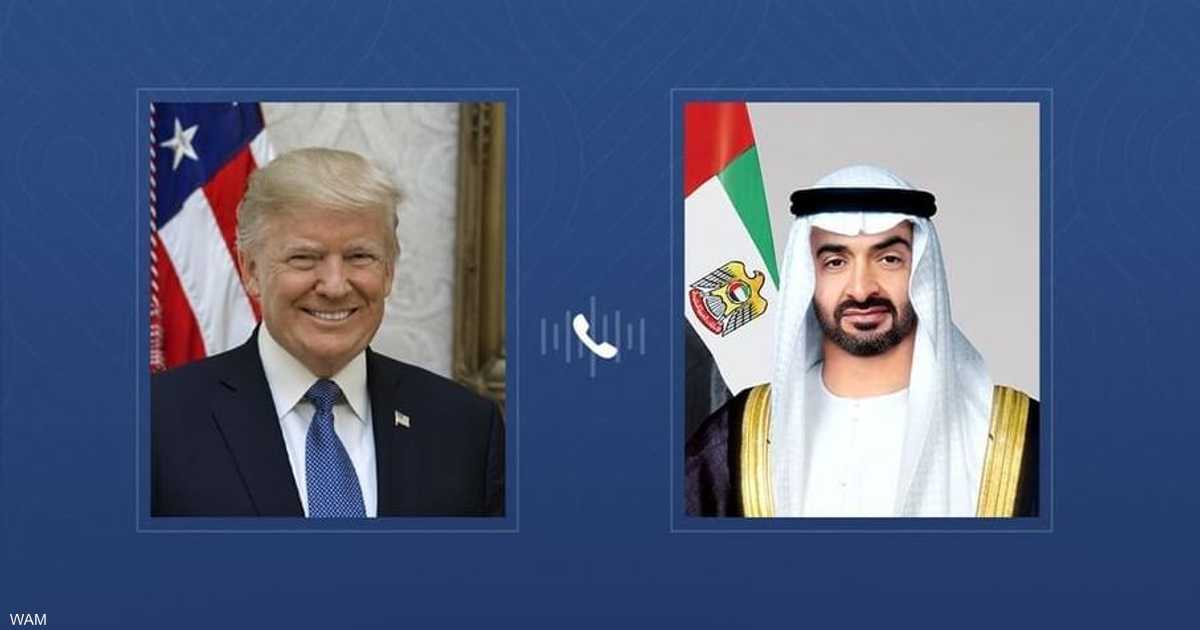
The recent discussions between Mohammed bin Zayed and Trump on regional developments shed light on the pressing geopolitical challenges in the Middle East. This high-level dialogue, focused on current developments, particularly highlights the ongoing aggression from Iran towards the UAE and its neighboring countries. As regional tensions escalate, the importance of solidarity and strategic responses among allied nations becomes increasingly relevant.
Addressing Iranian Aggression
During their meeting, both leaders expressed grave concern over the sustained and blatant attacks by Iranian forces targeting the UAE and its regional allies. These incursions not only threaten civilians but also aim to undermine critical infrastructure, raising alarms about the sovereignty of these nations and violations of international law.
U.S. Commitment to Regional Stability
President Trump strongly condemned these aggressions, affirming that the United States stands firmly in solidarity with the UAE and other countries in the region. He emphasized America’s unwavering support for their right to defend their territories and maintain stability and security within their borders. The discussions underscored the need for a collaborative approach to counter threats and enhance regional partnerships.
Regional Implications and Future Outlook
The dialogue between Mohammed bin Zayed and Trump signifies a critical alliance that seeks to address both immediate threats and long-term strategies for peace. As the situation evolves, it becomes increasingly important for regional powers and global allies to coordinate efforts aimed at safeguarding their interests against external aggression while fostering a secure environment for their citizens.