
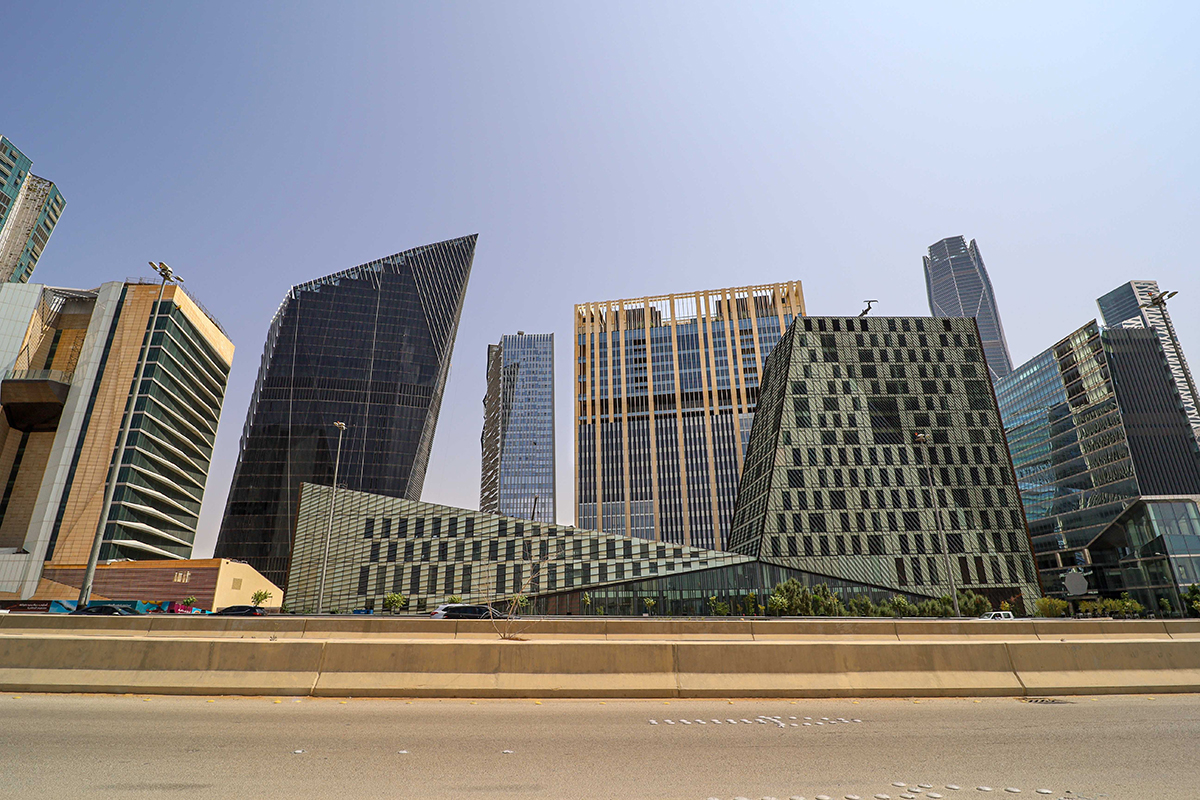
Saudi Arabia has officially opened its property market to foreigners, implementing a long-anticipated law that allows non-Saudis to purchase real estate in designated areas of the Kingdom. This landmark change aligns with the nation’s Vision 2030 initiative, promoting economic diversification and attracting foreign investment.
The Law on Non-Saudis’ Ownership of Real Estate, which received royal approval last year and was published in the official gazette in July 2025, officially came into effect after a transitional period of six months. This move represents a significant transformation in the Saudi property landscape, creating clearer regulations and broader opportunities for foreign investors compared to previous policies that restricted such ownership.
Prior to the law’s approval, developers, investors, and legal advisers closely monitored its development, anticipating that Saudi Arabia would eventually align its foreign ownership policies with those of other Gulf nations. Although foreign investment in Saudi real estate has been limited since 2000, this new framework replaces outdated regulations and introduces more comprehensive guidelines for ownership.
Designated Zones and Ownership Parameters
Central to this reform is the establishment of designated zones. The newly enacted law permits non-Saudi individuals and entities to acquire property, usufruct, or other rights in specified areas identified by the Council of Ministers, based on recommendations from the Real Estate General Authority (REGA).
While the precise locations of these zones are yet to be announced, they are expected to encompass key districts in important economic centers such as Riyadh, Jeddah, and parts of the Eastern Province. Outside these designated areas, foreign ownership remains restricted, except under narrowly defined circumstances.
Moreover, the law allows foreigners to purchase various types of property—residential, commercial, industrial, and agricultural—within the specified zones. Notably, foreign residents in Saudi Arabia can own one personal residence outside the designated areas, although this does not apply to properties located in the holy cities of Mecca and Medina.
Conversely, non-resident foreigners can only acquire property within designated zones once those are defined, maintaining strict limitations for the two sacred cities where ownership remains fundamentally restricted to Muslims.
Financial and Compliance Obligations
This legislation also introduces new financial responsibilities for foreign buyers. Transactions involving non-Saudis now incur a 5 percent real estate transfer tax, consistent with existing Saudi regulations, alongside an additional transfer fee that may collectively amount to 10 percent, depending on the circumstances of the transaction and future implementing guidelines.
For certain investments, a minimum investment threshold of SAR 30 million (approximately $8 million) is mandated, reflecting the government’s desire to attract stable, long-term capital rather than fleeting investments. Additionally, all property acquisitions must be recorded in the national real estate registry for legal validity, with stringent penalties for non-compliance.
To bolster enforcement, the law introduces severe penalties for violations, including fines up to SAR 10 million ($2.7 million) for inaccuracies or illicit ownership claims. A specialized committee under REGA oversees compliance, with decisions allowing for appeals in administrative courts.
Opportunities for Corporations and Institutions
The new framework is particularly advantageous for foreign corporations, investment funds, and non-profits. Both listed and unlisted firms can now own property within designated zones, facilitating their operations through office spaces, industrial facilities, and accommodations for staff.
Saudi companies with foreign ownership may also benefit from diverse regulations. Firms listed on the Tadawul can own properties throughout the Kingdom, including in Mecca and Medina, in compliance with Capital Market Authority regulations. Unlisted companies may acquire property within designated zones and, under specified circumstances, outside those zones as necessary for operational purposes.
Additionally, diplomatic missions and accredited international organizations are allowed to own premises for official use, contingent upon approval from the Ministry of Foreign Affairs and compliance with reciprocal arrangements from their home nations.
Context within the Property Market
This legislative change occurs amid a vibrant Saudi property market. As reported by CBRE Middle East, the non-oil economy constituted 56 percent of GDP in 2025, driving demand across various sectors including residential, commercial, and industrial real estate.
The Kingdom’s development pipeline remains robust, boasting around $440 billion in committed projects along with a longer-term pipeline estimated at $1.55 trillion. Major initiatives such as NEOM, Diriyah, and the Red Sea developments are anticipated to shape future supply, while immediate activities are particularly concentrated in Riyadh, partly fueled by the Regional Headquarters program.
The demand for office space in the capital has shown remarkable strength, with Grade A rents increasing by 15 percent year-on-year in 2025 and occupancy rates nearing 98 percent. Furthermore, residential transactions surged nearly 18 percent quarter-on-quarter in the third quarter, reaching a substantial value of SAR 7.7 billion.
These prevailing trends have been bolstered by recent regulatory measures, including the expansion of the White Land Tax to spur development and a five-year rent freeze in Riyadh aimed at improving affordability for residents.