
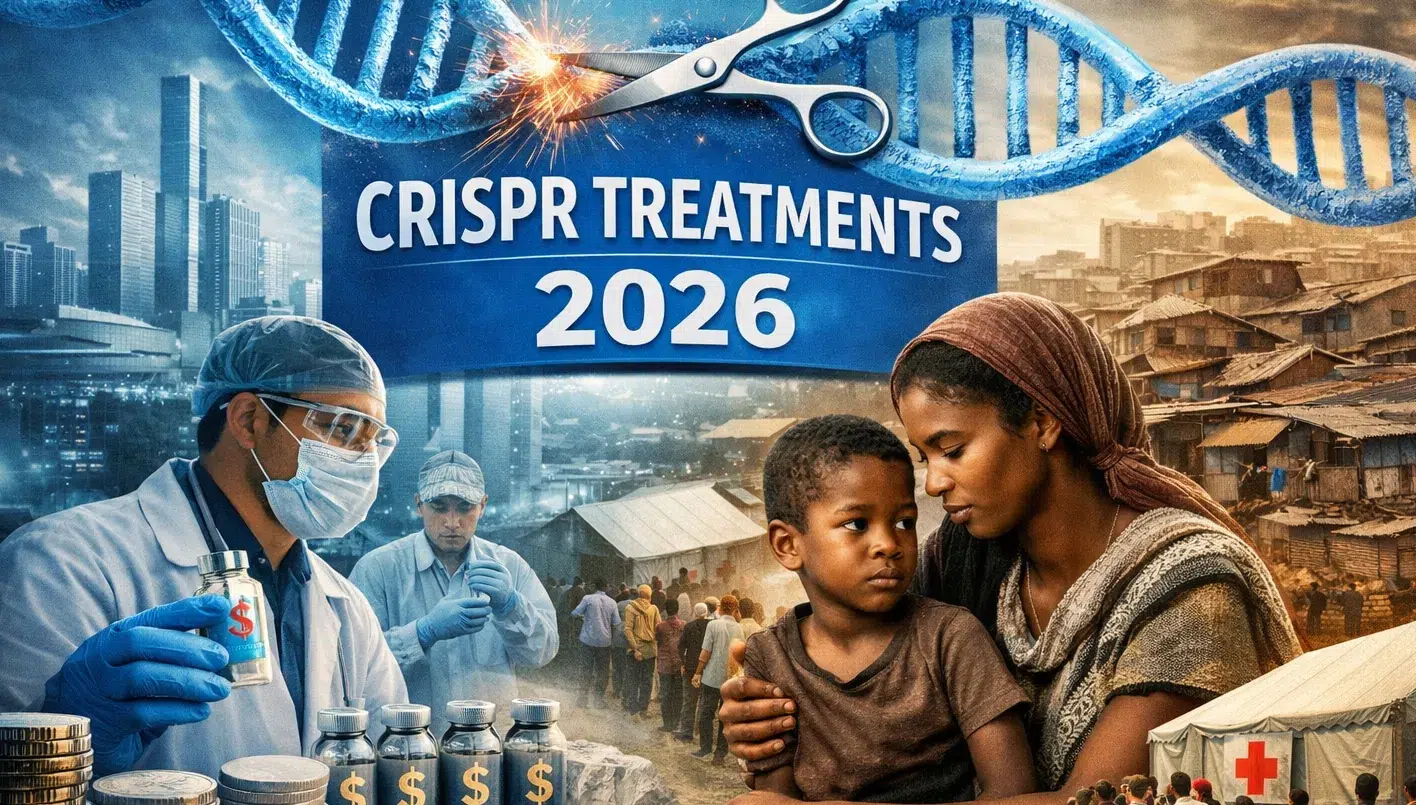
In 2026, CRISPR treatments will undergo a pivotal test as the genetic technology transitions from laboratory research to therapeutic application. This article addresses critical issues related to the accessibility of CRISPR treatments for the general public, especially given the exorbitant costs that may reach up to $2.2 million. Will these treatments remain exclusive to the wealthy, or will they become available to a broader range of patients?
CRISPR Developments: From Laboratories to Clinics
The medical community is closely watching the trajectory of CRISPR gene-editing treatments after notable successes in laboratories. In December 2023, the U.S. Food and Drug Administration approved the first treatment using this technology for patients with sickle cell disease, marking a significant turning point. The approval was subsequently expanded in January 2024 to include beta-thalassemia, with effective results published throughout the year, paving the way for new clinical applications.
Challenges to Treatment Expansion
Despite remarkable progress, there are still numerous challenges that need to be addressed. The implementation of CRISPR in 2025, with over 75 global treatment centers activated, suggests expansion; however, it also requires facilities and human resources capable of managing these treatments. Ensuring the presence of adequately trained medical teams, alongside robust supply chains, may lead to long wait times for patients.
Clinical Trials and Beyond
In 2026, clinical trials are expected to launch, presenting CRISPR as a platform to treat a range of patients suffering from the same disease but with different mutations. Dr. Andy Murdoch emphasizes the need to leverage current clinical trials to develop treatments applicable on a broader scale, rather than remaining confined to individual cases.
Health Equity and Available Opportunities
Social aspects and financial considerations continue to pose barriers to the development of treatments, as researcher Andrew M. Subka points out. He stresses the importance of involving affected communities in the early stages of treatment development to ensure these therapies are accessible and inclusive for all, rather than remaining in the hands of the affluent.
The challenges associated with CRISPR treatments in 2026 reveal that they are not merely medical issues but also encompass complex social and financial concerns. The success of these technologies will only be possible if comprehensive strategies are adopted to address various aspects, ensuring health equity. As research and applications continue, doubts remain about whether these treatments will overcome obstacles and reach the patients who truly need them.