
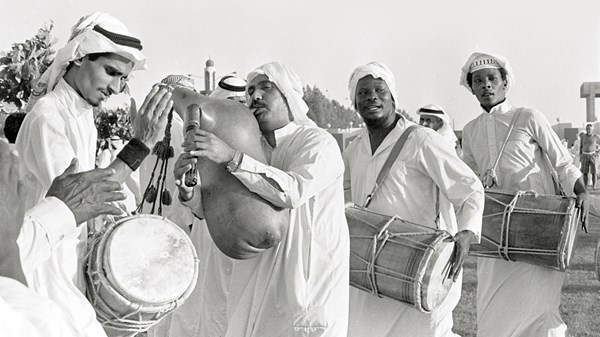
The evolution of الموسيقى في الخليج العربي reflects a rich tapestry of cultural influences and historical transformations that have shaped the region’s musical identity. This article explores the unique rhythms and transitions that characterize Gulf music, delving into its deep-rooted traditions and the contemporary expressions that have emerged over time. By examining various musical forms and their connections to cultural, social, and environmental factors, we gain a greater appreciation of how الموسيقى في الخليج العربي continues to resonate both locally and globally.
Historical Context and Musical Heritage
To understand الموسيقى في الخليج العربي, one must appreciate it as a geographical and historical entity with its distinct artistic heritage. The myriad rhythms, performances, and lyrical elements have enriched Gulf music and its poetic expressions. The musical traditions in this region are intricately connected to the natural environment—be it the sea or land—and have been influenced by external musical styles, including African Nubian music and Sufi sounds. A significant panel discussion recently hosted by the Sharjah Art Foundation highlighted the importance of Gulf music and its interplay with geographical and human factors.
Diverse Musical Landscapes
As musician Hassan Al-Hajiri emphasized during the panel, examining various traditional marine musical forms enriches our understanding of the Gulf’s cultural intersections. For instance, the Nubian and Sufi influences reflect the broader global connectivity of Gulf music, which has maintained roots and rhythms even in response to Western melodies. The discussion illustrated how Gulf music incorporates modern techniques while remaining committed to its cultural essence. Artists from the region, such as Abdul Latif and Mahmoud Al-Kuwaiti, whose early recordings took place as far away as Mumbai and Baghdad, were central to this narrative, showcasing diverse musical timbres and regional identities.
Marine Musical Traditions
The traditional seabound genres, such as the “Nihma,” serve as an integral part of Gulf culture, representing the working songs of mariners across the region. This artistic form encompasses several styles, including “Yamal” and “Khateefa,” each designed to accompany various maritime activities. The session highlighted how these melodies not only narrate the lives of sailors but also invigorate communal spirit through rhythmic clapping and foot-tapping during performances. The role of sailors in developing this musical form draws attention to the interconnectedness of labor and cultural expression in the Gulf.
Preserving Cultural Heritage
The discussion also touched upon significant publications within the realm of Gulf music, such as Paul Ruffsang Olsson’s “Music in Bahrain,” which focuses on the authentic marine folk traditions born from the historical voyages of pearl divers. By documenting these practices, efforts to preserve them under UNESCO’s intangible cultural heritage list are fortified. Details regarding the “Fujairah” music genre, which emerged prominently during pearl diving seasons, provide insight into the legacy of musical practices that echo the hardships and joys of sailors, emphasizing the cumulative experiences of the Gulf’s maritime culture.
The Future of Gulf Music
Ultimately, the panel concluded by asserting the close relationship between musical instruments and the Gulf community’s social frameworks. Music serves various purposes, celebrating joyful occasions like weddings and communal gatherings while also accompanying work-related tasks. Given the strategic geographical position of the Gulf, influences from the Arabian Peninsula, Mesopotamia, and surrounding regions permeate its cultural fabric. Despite modernization’s impact on traditional practices, the resilience of الموسيقى في الخليج العربي continues to thrive, urging immediate efforts for its preservation and promotion, ensuring that its rich history remains vibrant for future generations.