
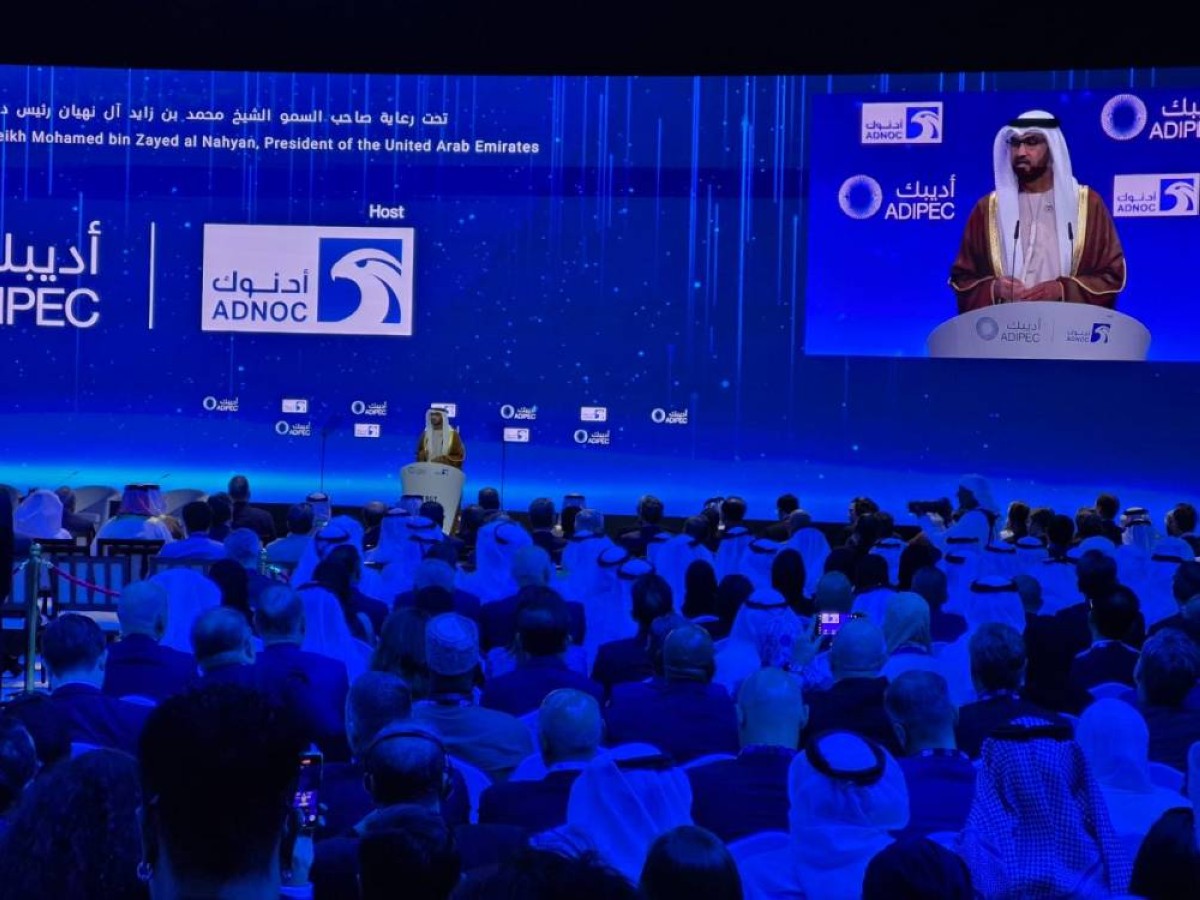
The global demand for oil is projected to remain above 100 million barrels per day after 2040, a trend that highlights the ongoing reliance on fossil fuels despite advances in renewable energy. This is a critical intersection of climate and economic policies, as industries and policymakers must navigate the complexities of energy transition while ensuring energy security. With the increasing need for energy worldwide, the future of oil production looks promising, suggesting that it will continue to play a vital role in the global energy landscape.
Projected Increases in Energy Demand
During a keynote speech, Dr. Sultan Ahmed Al Jaber, UAE Minister of Industry and Advanced Technology, emphasized that the need for oil is set to persist, with production remaining above the 100 million barrels per day mark well into the future. He highlighted that by 2040, renewable energy output will more than double, alongside significant increases in demand for liquefied natural gas and aviation fuels. Al Jaber called for an annual capital investment of $4 trillion in energy infrastructure, underscoring the multifaceted requirements of modern economies.
The Role of Investment in Energy Transition
Al Jaber urged global leaders and energy investors to adopt a model similar to that of the UAE—one that emphasizes practical policies and ambitious partnerships. He asserted that legislative frameworks must be rooted in reality rather than ideology, as this focus builds investor confidence and strengthens economic resilience. He stated, “The UAE adopts a realistic approach that ensures energy security and diversifies sources, appealing to capital and promoting innovation.” This clarity is part of what allows for sustained capital inflow, vital for meeting the world’s ongoing demand.
Technological Advancements in the Energy Sector
Innovative technologies are also key to enhancing operational efficiency in oil production. At ADNOC, Dr. Al Jaber detailed the integration of artificial intelligence and robotics in operations, which significantly reduces downtime and improves performance efficiency. “We plan to support predictive accuracy by 90% through our ‘Future Energy AI’ solution,” he noted. Such advancements highlight ADNOC’s dedication to becoming a leader in leveraging technologies that enhance productivity while ensuring oil production remains robust.
The Future Landscape of Energy Sources
As the world transitions, it will still heavily depend on oil and gas. Al Jaber identified the critical factors driving energy demand moving towards 2040, which include the surge in energy requirements from data centers and a notable increase in urban populations. “The demand for electricity will continue rising, and oil production will remain essential for manufacturing materials and mobility,” he said. This perspective suggests a complex interplay between transitioning to renewable sources and maintaining the stability provided by oil in the energy mix.
Dr. Al Jaber’s insights reflect that while the demand for oil will sustain above 100 million barrels daily, the energy sector must pivot towards enhancing the role of renewables while effectively utilizing existing fossil fuel infrastructures. The global energy landscape requires a nuanced understanding of these dynamics to foster growth, innovation, and sustainability as we advance toward 2040 and beyond.