
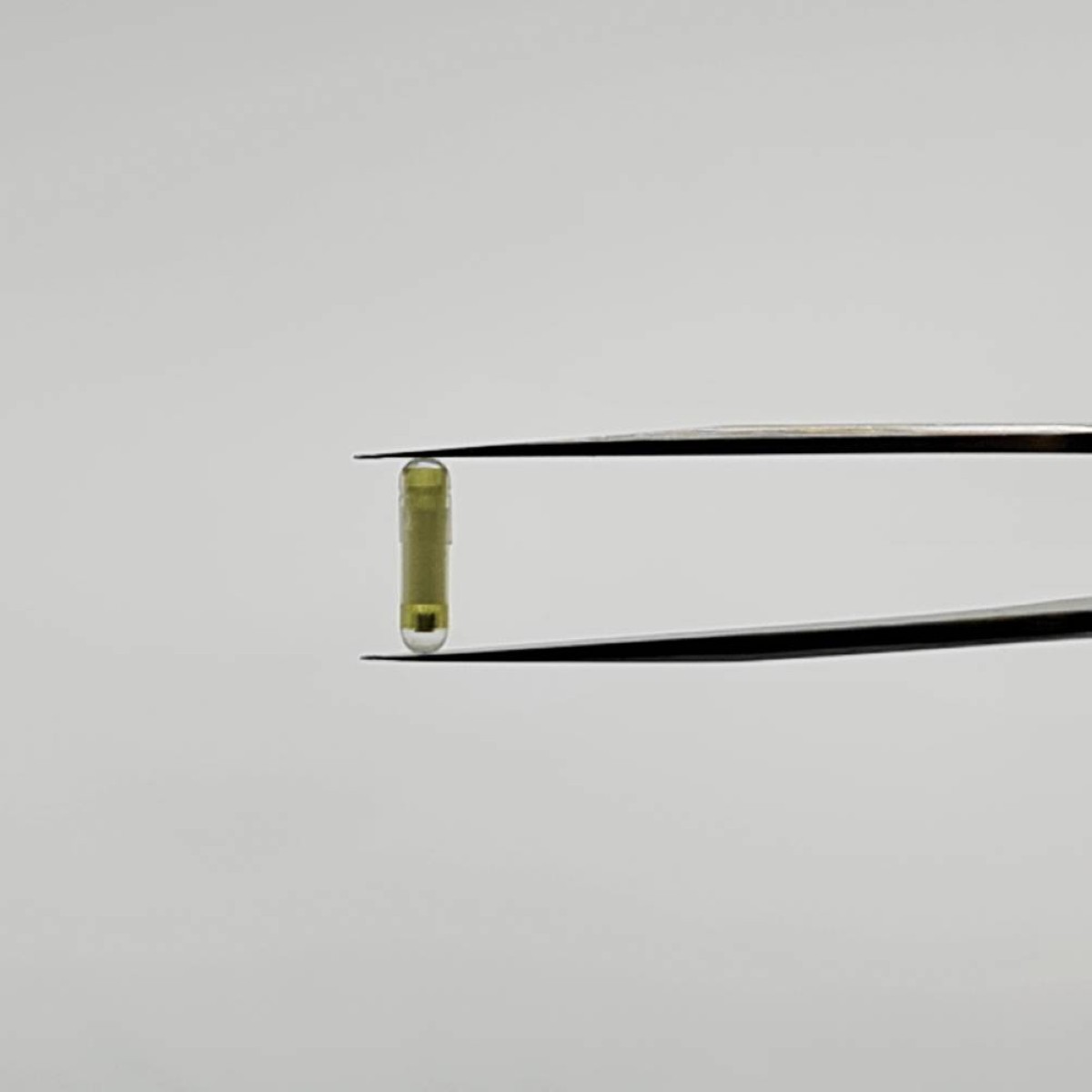
Researchers at New York University Abu Dhabi have made significant strides in developing a swallowable capsule designed specifically for collecting samples of bacteria from the small intestine. This innovation promises to provide insights into an often-overlooked segment of the digestive tract, utilizing methods that traditional testing cannot offer. The study of small intestine microbiota has been increasingly recognized for its crucial role in metabolism and immune response, closely linked to various health conditions, including metabolic disorders and autoimmune diseases. The introduction of this capsule represents a pivotal advancement in the field of microbiome research.
Introducing the CORAL Capsule
The CORAL capsule, crafted by a team led by Khalil Ramadi, an assistant professor of biomedical engineering at NYU Abu Dhabi and NYU Tandon School of Engineering, provides a non-invasive means to gather samples from the gut microbiome. Its design focuses exclusively on the small intestine, where unique microbial communities thrive. Remarkably, the capsule is crafted using 3D printing technology, avoiding electronic components that could complicate its functionality.
Advantages Over Traditional Methods
This innovative capsule offers a substantial improvement in the accuracy of microbiome analysis. A study published in the journal Device outlines how the CORAL capsule enhances the collection of detailed information about the small intestine’s environment compared to conventional stool samples, which primarily reflect the bacteria from the large intestine. Unlike previous methods, the structure of the CORAL capsule, with its computationally designed shapes, captures bacteria effectively as it naturally traverses the digestive system.
Significant Findings
Preliminary results indicate that the samples collected by the CORAL capsule exhibit a notable distinction from typical stool samples, revealing higher levels of beneficial Lactobacillus bacteria. This finding underscores the potential for the CORAL capsule to provide a clearer picture of the small intestine’s microbial diversity and its implications for human health. The unique data gathered could be instrumental in understanding the relationship between gut microbiota and various diseases.
Future Developments
Currently, the research team is focused on refining the CORAL capsule for human use and developing retrieval mechanisms that ensure effective sample collection. This innovative approach marks a significant leap forward in microbiome studies, with the potential to revolutionize how we understand and interact with the gut microbiota. As research progresses, the implications for personalized medicine and targeted therapies are vast, making the development of this capsule a noteworthy milestone in the field.