
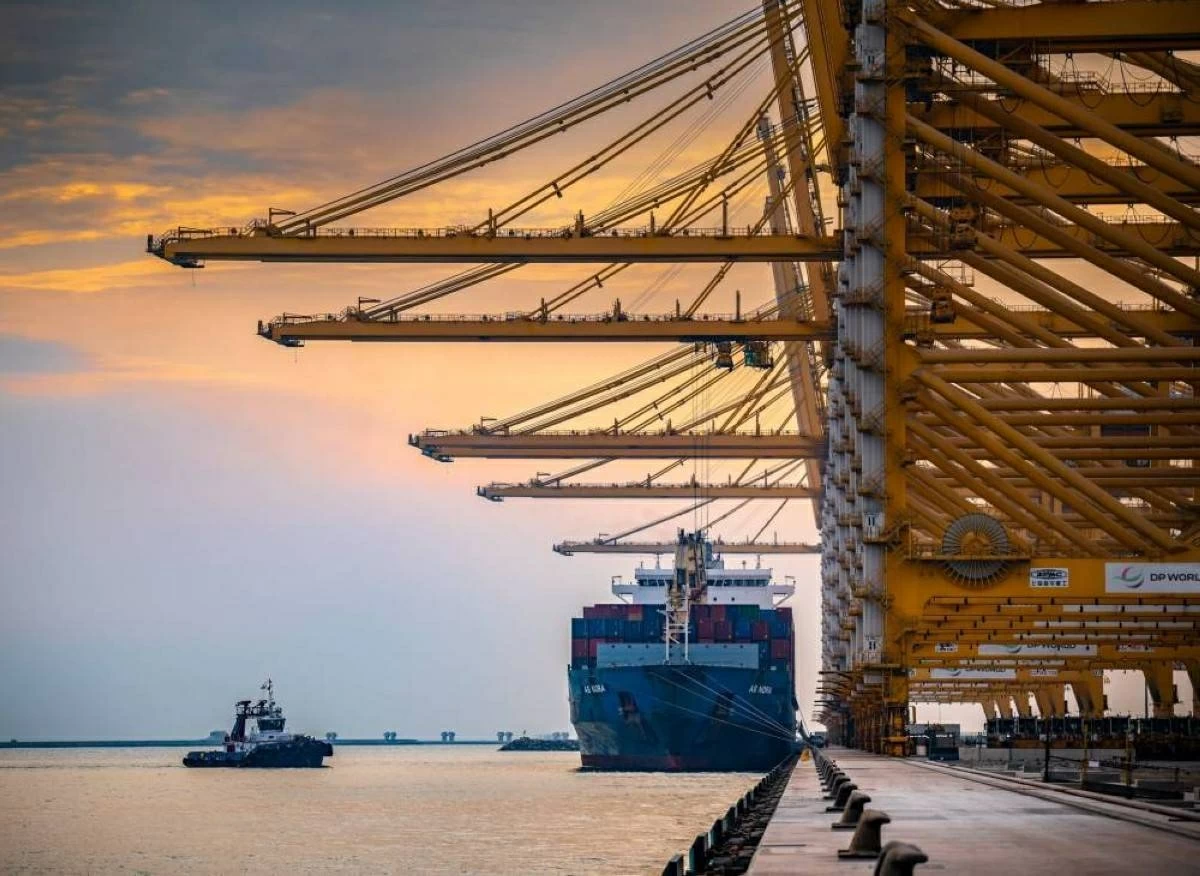
On 11 October 2026, DP World highlighted the vital role of maritime trade in the global economy, underscoring that over 80% of the world’s goods are transported by sea. The total value of cargo transported via global maritime networks is estimated to reach an impressive $14 trillion.
Structural Transformations in Global Trade
DP World identified four key structural shifts that are reshaping production locations, shipping practices, and the logistical needs of businesses:
Environmental Pressures
Adverse weather conditions and changing operational environments have exposed vulnerabilities in both maritime and land networks. Resilience in these systems relies on the capacity to anticipate disturbances and adapt swiftly to evolving circumstances.
Shifts in Policy
Changes in tariffs, sanctions, and regulatory frameworks are influencing supply chain decisions and route selections, necessitating the reevaluation of logistics strategies.
Changing Landscape of Manufacturing
Regions such as India, Southeast Asia, Latin America, the Middle East, and Africa are increasingly taking on significant roles in global production, reshaping the traditional manufacturing landscape.
As DP World continues to navigate these complexities, the focus remains on enhancing the adaptability of supply chains to meet the challenges posed by climate change, policy shifts, and the evolving dynamics of global manufacturing.