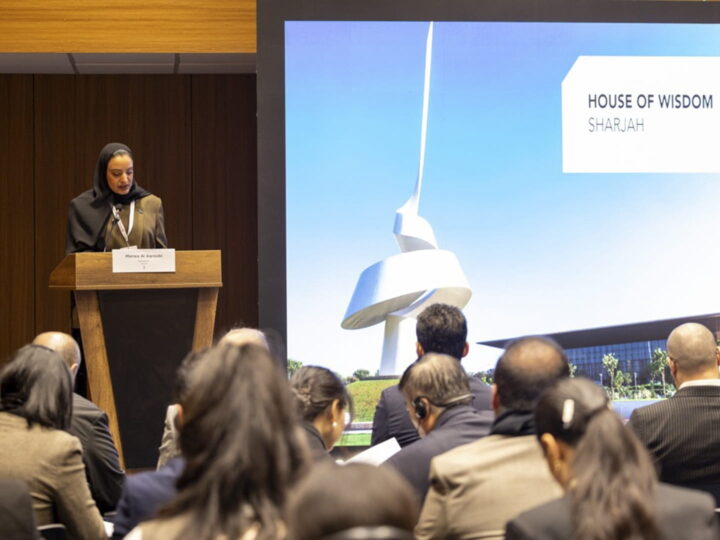
Mariam bint Ahmed Al Hamadi, the UAE Minister of State and Secretary-General of the Cabinet, has announced the government’s initiative to develop a legislative intelligence system. This innovative system aims to accelerate the legislative issuance process by up to 70% and is expected to be available next year for federal and local government entities, legislators, and legal specialists.
In a keynote address titled «How to Anticipate Legislation for a Future We Have Yet to Experience?» during the Dubai Future Week, Al Hamadi elaborated on the system’s capabilities. It employs self-executing artificial intelligence to connect legislation with judicial rulings, government services, public opinions, and real-time global trends. This methodology will facilitate the identification of legislative gaps and propose drafts for expert review, while also monitoring the enforcement of laws and assessing their real-time impact.
Foundational Guarantees for Stakeholders
Al Hamadi outlined three key pillars for formulating proactive legislation. These include relying on stable principles, measuring the success of legislation by its impact on quality of life, and fostering a sustainable governmental capability for legislative development by utilising foresight tools and smart technologies. Furthermore, she emphasised the importance of safe experimentation and continuous learning within the legislative process.
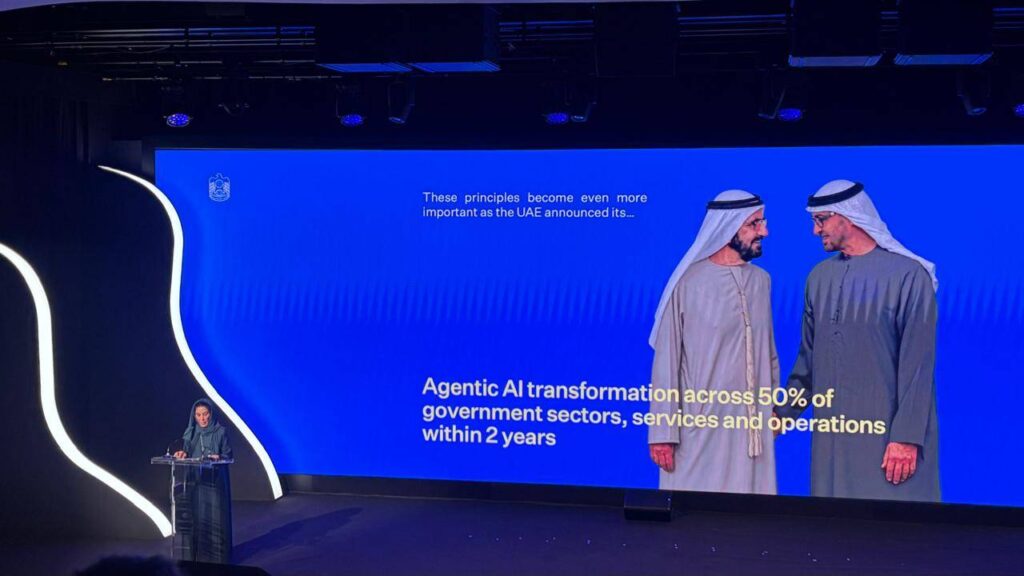
To illustrate, she provided the example of a business licence process, where an AI agent would handle the request and issue the licence. Al Hamadi stressed that expediting procedures must accompany fair treatment for applicants, ensuring they can identify the responsible authorities and challenge any erroneous or biased decisions. The UAE government aims for a 50% shift towards the use of self-executing artificial intelligence in governmental work within the next two years.
Testing Emerging Technologies
Al Hamadi also highlighted the role of the «Legislative Lab» in testing emerging technologies and new business models, particularly when existing legislation presents barriers or lacks regulatory frameworks. The lab’s focus areas include autonomous mobility, digital finance, healthcare, and sustainability.
She mentioned that commercial operations for autonomous vehicles are underway following successful testing through the lab in coordination with relevant authorities. Additionally, she referred to the drafting of a council decision aimed at regulating their use.
Al Hamadi cited a Global Risks Report from the World Economic Forum, which revealed that half of the leaders and experts surveyed anticipate disruptive global conditions within the next two years. She underscored the necessity of considering the interests of future generations when formulating legislation, as well as ensuring the protection of individual rights and the clarity of responsibilities amidst the expanding use of artificial intelligence in government operations.