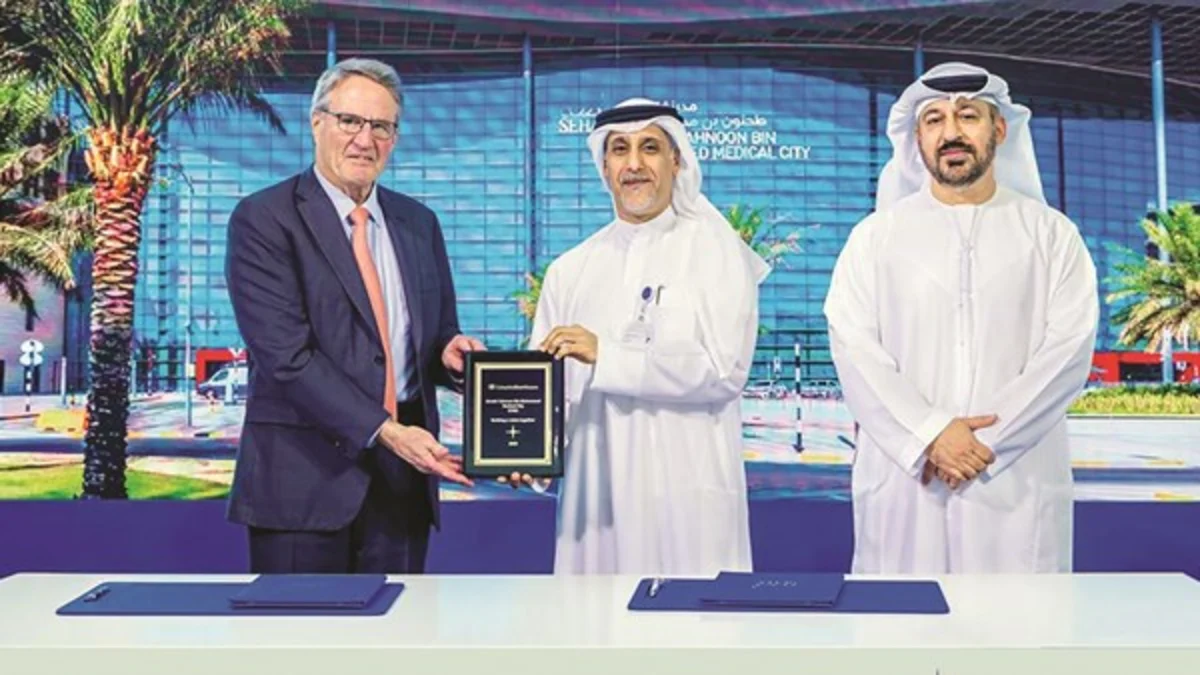
Abu Dhabi’s Rased monitoring and reference analysis department brings together wastewater surveillance, environmental monitoring and emerging-risk analysis in a single government system. Part of the Central Laboratory at the Abu Dhabi Quality and Conformity Council and developed in partnership with M42, it uses advanced technologies to turn environmental signals into information that can support public health and environmental protection.
From samples to early warnings
Rased aims to convert sample results and data into actionable information and early warnings, helping relevant authorities prepare for risks and make evidence-based decisions. The system holds My Green Lab Gold Certification.
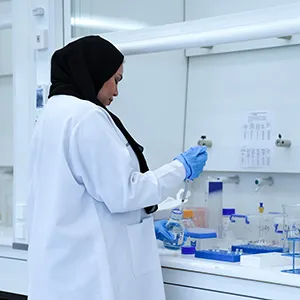
Rather than focusing on laboratory testing alone, Rased combines advanced laboratory analysis with environmental monitoring, data analysis, artificial intelligence, geospatial data, risk measurement and early-warning systems. These capabilities operate as one integrated system at a single site.
A broad scope of surveillance
Rased monitors a wide range of strategic indicators, including those relating to public health, pathogens and antimicrobial resistance. Its scope also covers chemical and environmental pollutants, pharmaceuticals, prohibited and restricted substances, radiological indicators, and emerging materials and risks—including indicators that may not feature in conventional testing programmes.
This integrated approach treats wastewater and the environment as rich sources of diverse indicators. Analysing them can help identify changes and trends, detect unusual signals and emerging risks early, and turn data into information that supports preparedness and response.
Advanced analysis and risk assessment
Rased operates within an internationally accredited laboratory framework to ISO/IEC 17025. Its laboratory and operational processes use advanced analytical platforms and technologies supported by artificial intelligence, including automation and robotics, molecular and genomic techniques, and high-resolution analysis.
Artificial intelligence is used through the Rased smart platform to study and analyse data, detect unusual patterns, examine trends, predict changes, assess and measure risks, and set priorities.
Supporting Abu Dhabi’s preparedness
Rased’s model supports Abu Dhabi’s shift from reactive testing towards proactive monitoring and prediction. This can strengthen preparedness and resilience across public health, environmental protection, safety, emergency response and the anticipation of emerging risks.
The department’s work also relates to several United Nations Sustainable Development Goals through its contribution to health, communities and the environment. It supports water quality and sustainability, improves understanding of risks and provides reliable scientific data to inform evidence-based government decisions.
By bringing laboratory and environmental monitoring together with advanced technologies, artificial intelligence, data analysis, risk assessment and early warning, Rased turns environmental signals into scientific knowledge to support Abu Dhabi’s preparedness and resilience, and the protection of its community and environment.