Corporate social responsibility in the UAE is expanding beyond traditional donations and financial assistance. It now encompasses investment in people, job creation and support for housing, healthcare and education, alongside the use of technology and environmental sustainability to develop projects with lasting economic and social returns.
Initiatives highlighted by officials and experts include about AED106 million raised through Dubai’s Jood platform for beneficiaries in 2026, and contributions and partnerships worth around AED3.2 billion activated through the impact economy. The national Companies for Good strategy aims to activate partnerships worth more than AED20 billion by 2031, while other projects span biofuel, digital food supply chains and support for start-ups.
The contributors said the success of social responsibility initiatives is no longer measured by spending alone, but by their ability to deliver sustainable, measurable results. The approach increasingly forms part of economic development, empowering people in need, improving quality of life and encouraging businesses to help address social challenges.
Building an impact economy
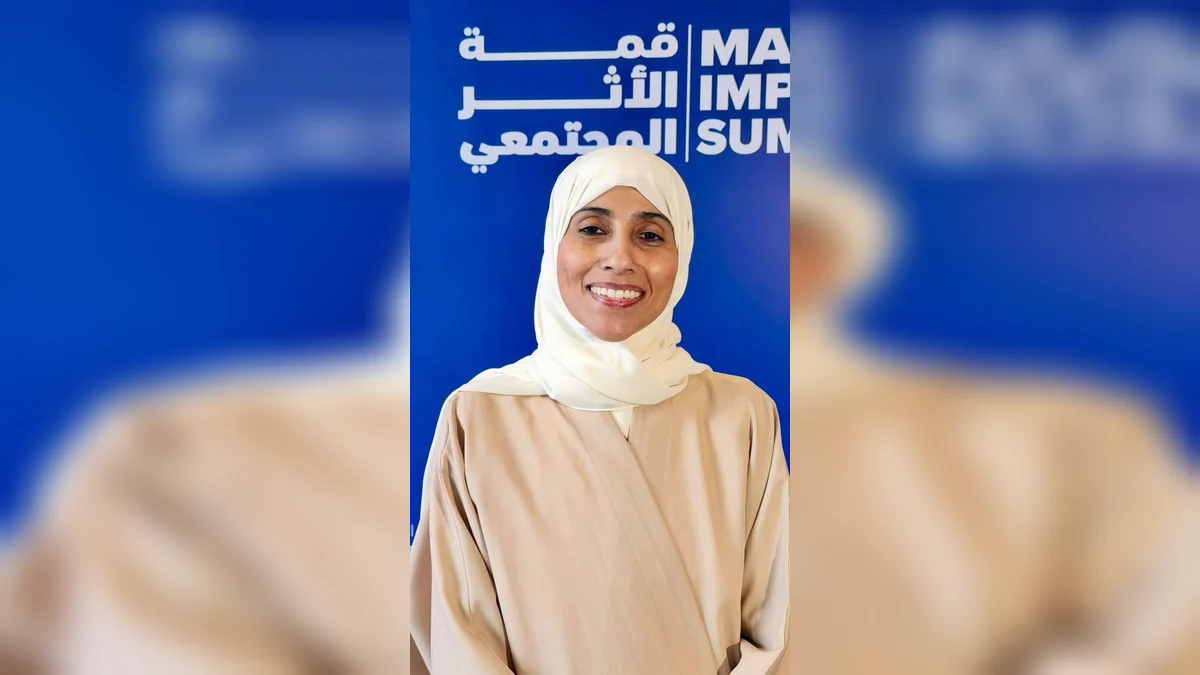
Dr Huda Al Khuzaimi, strategic adviser in economics, technology and investment, and Associate Vice Chancellor for Research and Innovation at New York University Abu Dhabi, said the UAE was establishing an economic model that puts people at the centre of development.
This involves closer cooperation between government entities, private companies and community initiatives, with investment directed towards projects that deliver sustainable economic and social impact. The country’s impact economy has activated contributions and partnerships worth around AED3.2 billion, she said, while the national Companies for Good strategy aims to activate partnerships worth more than AED20 billion by 2031, expanding the private sector’s contribution to development priorities.
Al Khuzaimi highlighted the role of Majra, the National Fund for Corporate Social Responsibility, in building an integrated system linking government entities, businesses and community organisations. Its work is intended to turn contributions into projects with measurable economic and social outcomes.
Majra’s tools, including the Impact Mark, Impact Labs and the Majra Network, help connect supporters with projects seeking assistance. They also help identify community needs and direct resources and expertise to areas of greatest need.
Al Khuzaimi said social responsibility needed to be embedded in institutional strategies and business models, rather than treated as a series of stand-alone or seasonal initiatives. Technology and artificial intelligence could also improve impact measurement and the allocation of resources, helping organisations assess the results of their community investments and make them more sustainable.
AED106 million for Jood beneficiaries
Omir Abdullah Al Falasi of the Dubai Community Contributions Establishment, Jood, said the platform raised about AED106 million in 2026 to support beneficiaries of community projects and initiatives. Housing, healthcare and education were prioritised in response to needs in Dubai.
Established in 2024, Jood brings together initiatives run by charities, public-benefit organisations and government entities on a single digital platform. It aims to make it easier to collect contributions and direct them to people in need, in coordination with the relevant authorities.
Housing received the largest share of support this year, followed by healthcare and education. Housing initiatives are intended to ease beneficiaries’ financial burdens and help meet their accommodation needs, Al Falasi said.
In healthcare, Jood works with the Al Jalila Foundation to support people in need of treatment. Education initiatives help eligible families pay students’ tuition fees, in coordination with the relevant authorities.
Beneficiaries are identified by specialised organisations, led by Dubai’s Community Development Authority, which verifies cases and assesses their needs to ensure contributions reach those who qualify. Jood has also met the fundraising targets of about four urgent campaigns to help people facing financial obligations related to essential services and medical treatment, Al Falasi said.
Backing start-ups with social impact
Jood is working with Majra and the Dubai Chamber of Commerce on a three-way partnership to support start-ups developing innovative solutions to social challenges and encourage community participation in funding projects with a positive economic impact.
The Dubai Chamber of Commerce assesses projects and their eligibility for support. The partnership focuses on businesses working in healthcare, education, the environment and sustainability, ensuring that assistance is linked to clear development objectives, Al Falasi said.
Supporting start-ups extends the role of social responsibility beyond addressing immediate needs to investing in projects that can provide lasting solutions and create new economic opportunities. Assessing their real impact may take three or four years, he said, as success depends on whether they can remain viable, grow and deliver tangible results for the community.
In 2027, Jood plans to broaden its initiatives to include sport, the environment and sustainability, while continuing to support education. Investment in sport can improve public health and reduce healthcare needs over the longer term, Al Falasi said. A culture of giving, he added, includes not only financial donations but also volunteering time and expertise and taking part in community initiatives.
Environmental sustainability and jobs
Maher Al Kaabi, adviser to the chairman of Alserkal Group, said the group’s biofuel production capacity was about 50,000 litres a day, compared with an estimated 150,000 litres a day across the UAE. Investment in the sector is one of the group’s main contributions to environmental sustainability and the circular economy, he said.
Producing biofuel locally makes it possible to reuse resources, strengthen domestic production and reduce reliance on imports, linking social responsibility with economic and productive activity.
Al Kaabi said social responsibility went beyond donations and financial contributions to include creating jobs, empowering people and supporting vital economic sectors. Founded in 1947, Alserkal Group has helped provide employment for thousands of people through its businesses and activities, contributing to family stability and economic and social development.
Establishing businesses and productive projects is a sustainable form of social responsibility, he said, because it provides individuals and families with sources of income and supports economic activity over the long term.
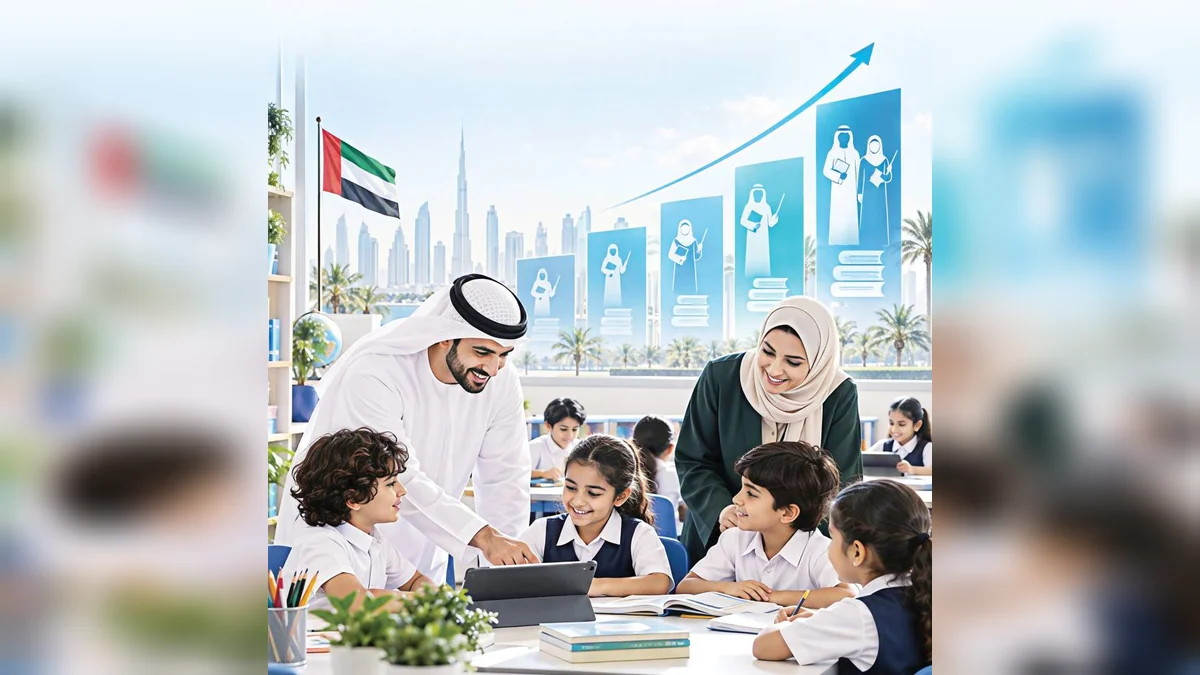
Education was Alserkal Group’s leading social responsibility priority in 2026. Its initiatives included supporting university students and helping young people continue their studies, which Al Kaabi described as a long-term investment in developing skills and preparing future generations for the labour market.
The group plans to maintain its focus on education in 2027, alongside economic activities that create jobs. Education, healthcare and housing are three essential pillars for building sustainable communities, he said. Investing in education benefits not only students but also their families and society, by improving employment prospects and economic stability.
From immediate support to lasting development
These initiatives illustrate the widening scope of social responsibility in the UAE, from meeting the basic needs of individuals and families to investing in productive projects, technology and environmental sustainability. The aim is to bring economic development and social impact together.
Majra contributes to this shift by developing impact-measurement tools and strengthening partnerships between government, businesses and community organisations. Jood offers a way to direct contributions towards immediate needs, while private-sector projects show how social responsibility can be integrated into economic activity and investment.
The future of social responsibility, these examples suggest, will depend on institutions’ ability to turn resources and contributions into sustainable economic and social opportunities, improving quality of life and strengthening the private sector’s role as a partner in development.