Road upgrades around Dubai World Trade Centre are improving access to one of the emirate’s leading business districts, easing traffic and supporting the growth of its exhibitions and conferences. Two major Roads and Transport Authority (RTA) projects are expanding the network to accommodate the area’s development and strengthen its ability to host international events.
Two projects to improve access
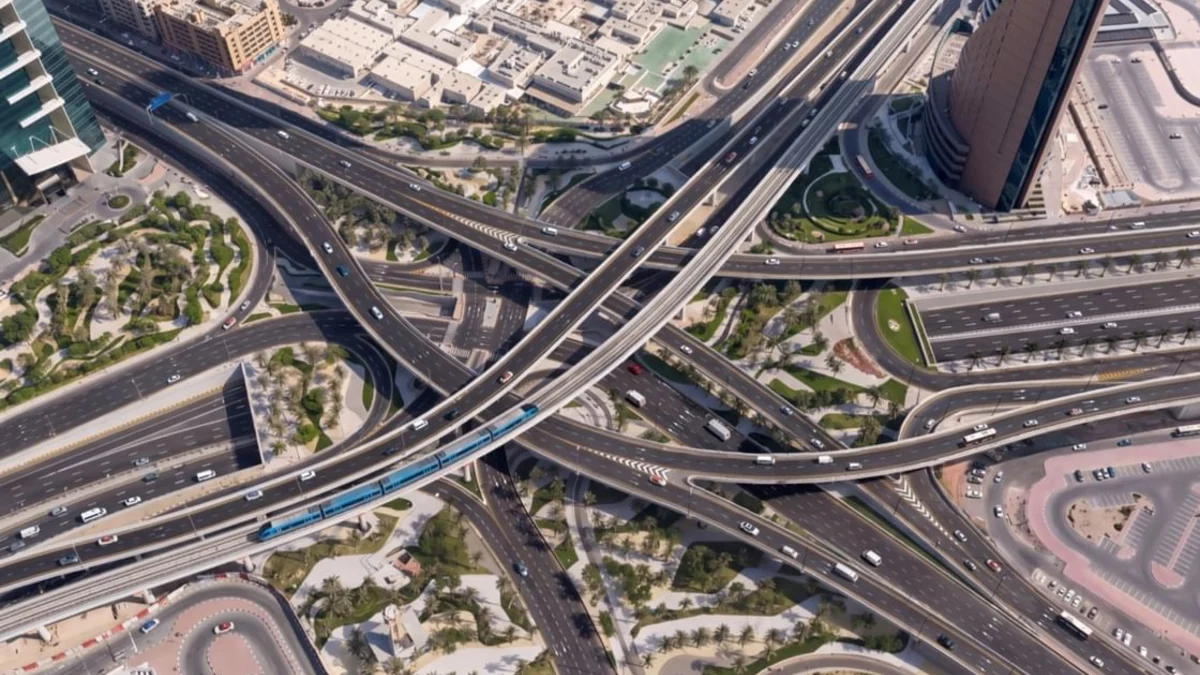
The first project, the Dh696 million redevelopment of Trade Centre Roundabout, is converting the roundabout into an at-grade, signal-controlled junction. It includes six new bridges with a combined length of 5,000 metres, as well as tunnels scheduled to open from 2027.
The second project is the Dh633 million widening and redevelopment of Al Mustaqbal Street. It is designed to separate long-distance through traffic from local journeys serving Dubai World Trade Centre, One Central and nearby towers.
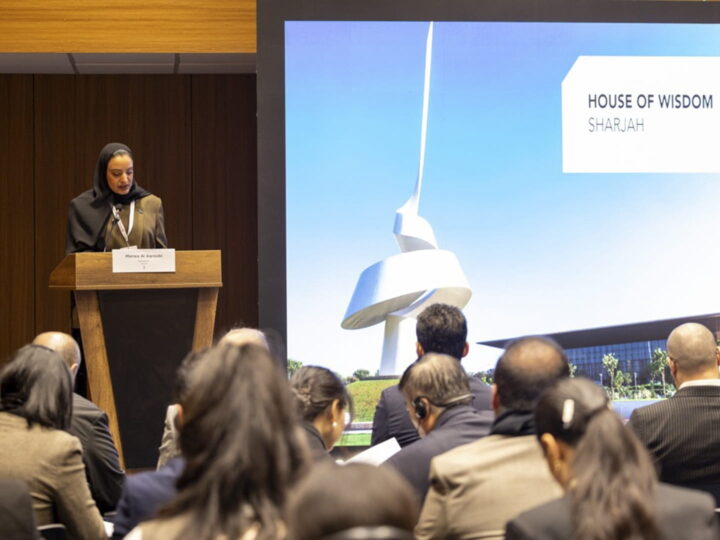
Mona Al Osaimi, executive director of strategy and corporate governance at the RTA, said the projects form part of a wider plan to develop Dubai’s infrastructure in line with the city’s urban growth. She said the multi-level design at Trade Centre Roundabout would significantly increase capacity, shorten journey times and improve traffic flow and links between major business districts, including Dubai World Trade Centre, Dubai International Financial Centre and Business Bay.
Al Osaimi described the two schemes as an integrated programme that is progressing faster than scheduled. At Trade Centre Roundabout, a bridge linking Sheikh Rashid Road with 2 December Street opened at the end of August 2026. The final bridge in the project opened in October 2026, serving traffic travelling from Al Majlis Street towards 2 December Street.
Progress and travel-time savings
Work on Al Mustaqbal Street is also ahead of schedule, with completion exceeding 70%. Three tunnels, with a combined length of 1,500 metres, are due to be completed by February 2027 at the junction of Al Mustaqbal Street and Trade Centre Street.
In mid-August 2026, the RTA said overall progress across the works had passed 65%, ahead of the approved timetable. On 14 August, it opened a 500-metre, two-lane bridge for traffic leaving Dubai World Trade Centre and One Central towards Al Mustaqbal Street and Zabeel Palace Street. The bridge reduced the exit journey time after major events from 10 minutes to two.
Another bridge, opened in February 2026, is 1,000 metres long and connects Sheikh Zayed Road directly with Sheikh Khalifa bin Zayed Street. With capacity for up to 3,000 vehicles an hour, it cut the journey time on the route from six minutes to one.
Once Al Mustaqbal Street is widened from three to four lanes in each direction, its capacity is expected to rise by 33%, from 6,600 to 8,800 vehicles an hour. The journey time is expected to fall from 13 minutes to six.
When the wider project is complete, average waiting time at the Trade Centre junction is expected to drop from about 12 minutes to just 90 seconds in all directions. The improvement is particularly significant on major event days: it is expected to prevent queues from extending on to Sheikh Zayed Road and allow vehicles to pass through the junction in line with the flow of visitors leaving Dubai World Trade Centre’s car parks.
Infrastructure to support event growth
Maher Jalfar, executive vice-president of exhibition halls at Dubai World Trade Centre, said world-class infrastructure was essential to maintaining Dubai’s leadership and competitiveness. The venue welcomed three million visitors in 2025 and aims to double the number of events it hosts to 600 a year by 2033.
Jalfar said infrastructure investment would support the growth of the centre’s events and its ambitions, which are aligned with the Dubai Economic Agenda D33. He added that organisers assessing a city for major exhibitions and conferences consider the overall visitor experience, including air links, public transport, road capacity, hotel availability and the ease of moving tens of thousands of participants. An integrated transport system, he said, is therefore a key economic foundation for cities seeking to attract major international events.
Coordination during events
Abdulrahman Obaid Al Shuwairab, executive vice-president of protocol and security at Dubai World Trade Centre, said the benefits of the projects were already becoming apparent in visitor traffic. He said the upgrades were based on data collected by the relevant authorities over several years.
Carrying out a project of this scale in an area that hosts exhibitions and events throughout the year required continuous coordination with the RTA, Al Shuwairab said. Work plans were adjusted to match the requirements of each event and the expected traffic volumes.
Close coordination enabled the centre to maintain direct contact with the RTA through its command and control centre during events. This helped the teams plan and manage traffic efficiently, while retaining the flexibility to make changes when needed, easing pressure around the venue and improving access and departures.

تابعوا آخر أخبارنا المحلية والرياضية وآخر المستجدات السياسية والإقتصادية عبر Google news