
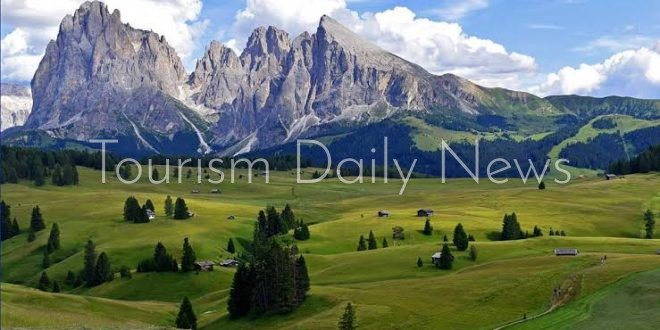
As Italy grapples with the challenges of overtourism, new regulations and fees aimed at controlling visitor behavior are being implemented. The phrase “Italy is battling overtourism… Fees for photos and new laws to regulate visitors” captures the nation’s urgent need to manage the influx of tourists drawn to its beautiful landscapes. In a bid to protect its natural treasures, authorities are now imposing fees for photo opportunities and enforcing stricter guidelines for visitor conduct.
Impact of Social Media Influencers
If it were up to Carlo Zanella, the president of the Alpine Club in Alto Adige, he would completely ban travel influencers from visiting the Dolomites. Zanella holds these influencers accountable for the overwhelming influx of visitors to the region, as their social media posts have transformed into a trend that has attracted hundreds of thousands of tourists to Northern Italy. Many tourists trespass on private lands just to snap that perfect photo.
Consequently, local farmers have installed turnstiles at some popular sites, charging visitors €5 (approximately $6) to access Instagram-friendly locations, including the Sella and Tre Cime di Lavaredo mountains. In recent weeks, photos of lines comprising around 4,000 people have surfaced online, leaving followers astonished. Yet, these images have proven ineffective in deterring tourists; in fact, they seem to lure even more visitors to the area.
Zanella remarked, “Everyone is talking about the gates… The media has made a fuss… People go where others go… We’re like a herd.” While Italian laws stipulate that access to natural parks, such as the Alps and Dolomites, should remain free and available for everyone, to date, landowners who installed the turnstiles have faced no official objections from authorities.
Concerns Over Visitor Behavior
Zanella’s concerns extend beyond mere overcrowding; he worries about the behavior of certain visitors influenced by social media. He noted in a statement to CNN, “In the past, the people climbing the mountains were adventurous. They wore appropriate clothing and came prepared with maps, especially the Germans who knew their destinations. However, Italians often begin their journey without planning, merely hopping on the cable cars.”
In response to these challenges, local tourism bodies have requested that authorities shut down the turnstiles, insisting that the issue is being exaggerated. The Santa Cristina Tourism Board announced plans to hire four guards to monitor tourists, ensuring they stick to designated trails and refrain from trampling delicate meadows or using drones.
New Regulations for a Sustainable Future
In the Aosta Valley, measures have been implemented to keep tourists from driving up the mountains, requiring hikers to utilize paid shuttle buses to reach Mount Rosa. Certain areas, such as Lake Braies, have begun charging entry fees of up to €40 per car to mitigate visitor traffic primarily drawn for photo opportunities.
Arno Kompatscher, the governor of South Tyrol, which encompasses part of the Dolomites, has called on the national government to impose restrictions to protect sensitive ecosystems in mountainous regions and discourage locals from renting out their chalets to tourists.
In an effort to regulate visitor behavior across Italy during the summer of 2025, authorities are rolling out new laws. In several Italian towns, donning swimwear or walking shirtless outside designated beach areas has become unacceptable, with fines reaching up to €500. Elba Island in Tuscany and Diano Marina in Liguria have enacted rules that prohibit such behavior for both men and women in public places.
In Livorno, public barefoot walking has been banned, while Sardinia’s beaches restrict smoking and sunbathing without beach mats. Additionally, at the famous La Pelosa beach, only 1,500 people are permitted at one time to curb overcrowding. Loud music is also only allowed during designated hours in most regions of the country.
As Italy faces the realities of overtourism, the measures introduced reflect a commitment to preserving its stunning landscapes while ensuring the enjoyment of both visitors and locals alike. The ongoing efforts to address this phenomenon, encapsulated in “Italy is battling overtourism… Fees for photos and new laws to regulate visitors,” showcase a revolutionary step towards sustainable tourism management.