
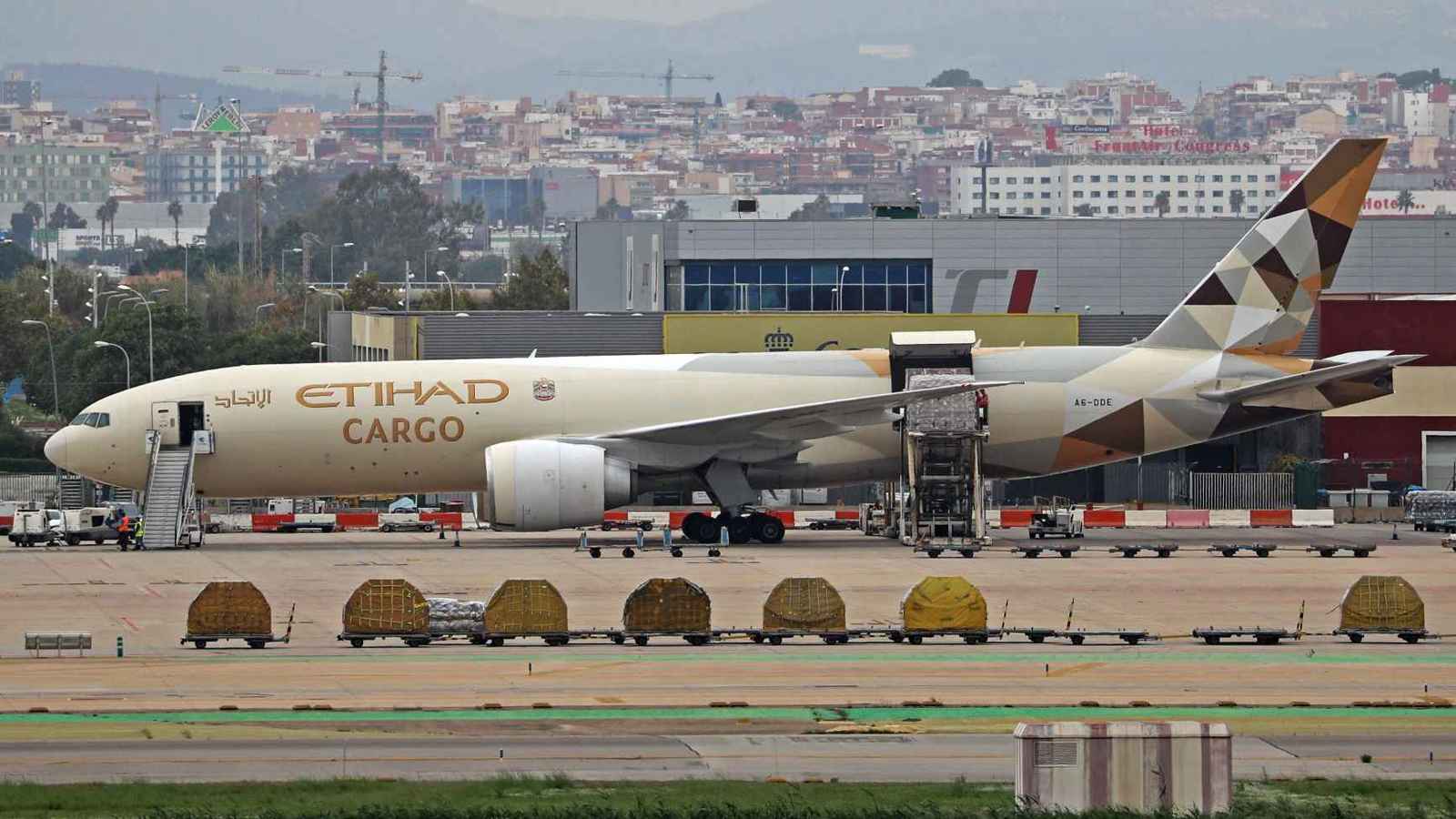
Etihad Airways expects to transport 21.5 million passengers by 2025, reflecting its ambitious growth and expansion plans in the aviation sector. Under the leadership of Antonioaldo Neves, the company aims to significantly enhance its fleet and operational capacity, demonstrating its confidence in market recovery following the impacts of the COVID-19 pandemic. This article explores the details of the company’s plans to achieve this ambitious goal and how it intends to develop its network of destinations.
Significant Growth Ambitions by 2025
Etihad Airways is targeting the decline in passenger numbers recorded in 2022, as it expects to transport 21.5 million passengers by 2025. In a statement to the UAE News Agency “WAM,” Neves noted that this leap is supported by a significant fleet expansion program, with the company set to acquire 18 new aircraft by the end of the year. Currently, Etihad Airways operates two of these aircraft and is awaiting the arrival of 16 more, which will enhance its capacity to meet growing demand.
Strong Financial Performance and Well-Thought-Out Strategies
Neves highlighted the notable improvement in Etihad Airways’ financial performance, having reached financial breakeven in 2022, followed by a profit margin of 3% in 2023, affirming its effective strategy for gradually expanding margins. The company anticipates that its profit margin for the current year will range between 7% and 8%. This optimism stems from self-financing plans, reflecting its commitment to financial sustainability.
Expanding Destination Network and Increasing Frequencies
Etihad Airways is also aiming to enhance its flight schedules, planning to increase frequencies in existing markets while focusing on new destinations. Neves stated that 66% of the increase in capacity will be directed toward existing destinations, while the remaining third will be allocated to new ones. Among the examples mentioned are increased flights to Frankfurt and Barcelona, reaching two flights daily, while Bangkok will receive five daily flights during peak periods.
Utilizing Technology to Enhance Competitive Leadership
As part of its strategy through 2030, Neves clarified that Etihad Airways aims to strengthen its presence in short-haul aviation markets, focusing on countries like India, Pakistan, and Middle Eastern nations. The airline also seeks to offer at least two daily flights to all its destinations in Southeast Asia, Europe, and the East Coast of the United States. The A321 Long Range aircraft, set to be delivered this week, will be the first narrow-body aircraft in the fleet to feature a first class with luxury seats that convert into full beds, reflecting the company’s commitment to passenger comfort.
Additionally, Neves praised the rapid growth in Abu Dhabi, which has welcomed new attractions, thereby boosting demand for travel and services. The company anticipates reaching around 200 aircraft and transporting between 38 to 39 million passengers by 2030, representing a doubling of its size again over the next five years.
In conclusion, Etihad Airways remains confident in market recovery and increased travel demand, as the company moves toward the future with well-considered plans aimed at achieving sustainable growth and expanding its flight network.