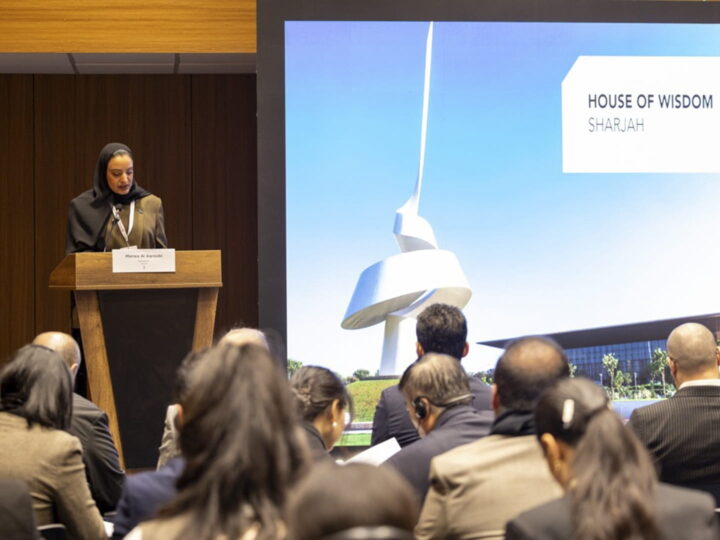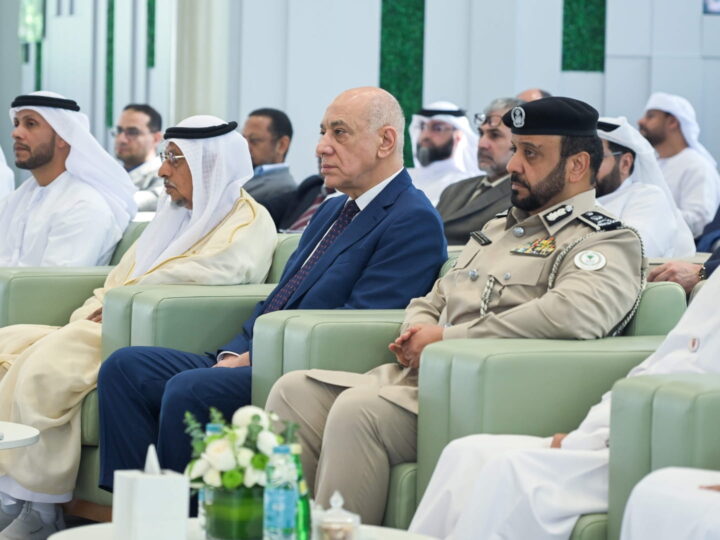
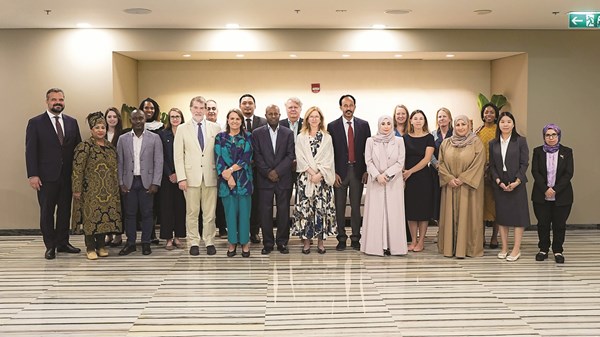
ABU DHABI (Al Ittihad) — A two-day series of discussions in Abu Dhabi has concluded with experts exploring how integrated approaches could accelerate efforts to eliminate malaria and neglected tropical diseases, rather than tackling each disease in isolation. The sessions were convened by the Global Institute for Disease Elimination in collaboration with the World Health Organization (WHO) and the Mundo Sano Foundation.
Held in person and online, the discussions brought together international specialists in malaria, neglected tropical diseases and health systems. Participants shared experience, examined challenges to disease-elimination efforts and identified opportunities to strengthen approaches addressing multiple diseases.
Sharing expertise to accelerate progress
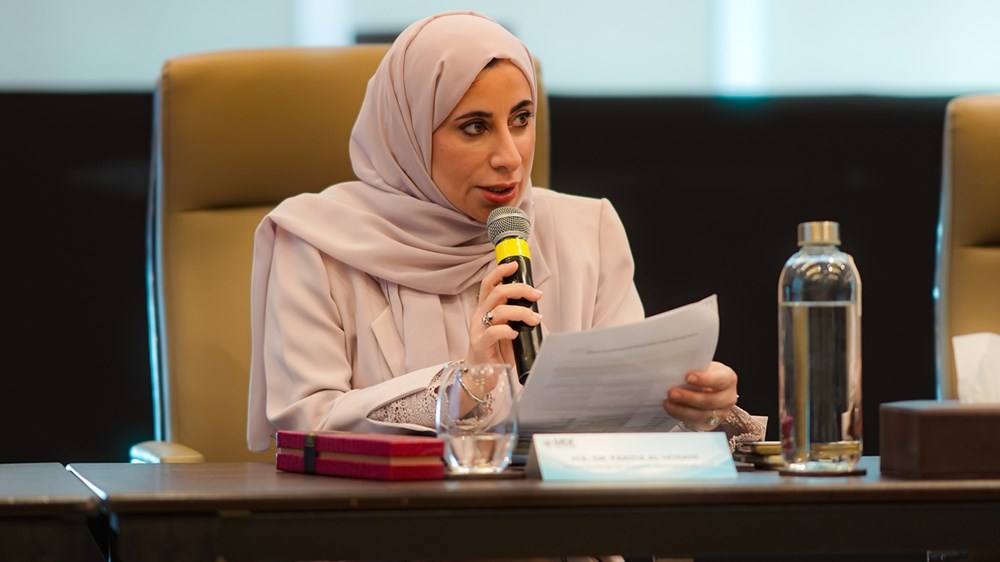
Dr Farida Al Hosani, chief executive of the Global Institute for Disease Elimination, said: “Eliminating diseases requires the exchange of expertise and lessons learned among programmes, countries and regions, while preserving the disease-specific expertise that has contributed to progress to date. These sessions brought expertise together and explored how it could inform approaches to accelerate progress, respond to the needs of different health systems and support their pursuit of multiple disease-elimination goals.”
Dr Mauro Aregawi Weldedawit, head of the WHO unit for vector control and cross-sectoral disease elimination in its Department of Malaria and Neglected Tropical Diseases, said: “The World Health Organization is committed to translating lessons learned into practical guidance to help countries move forward with their goals of eliminating multiple diseases.”
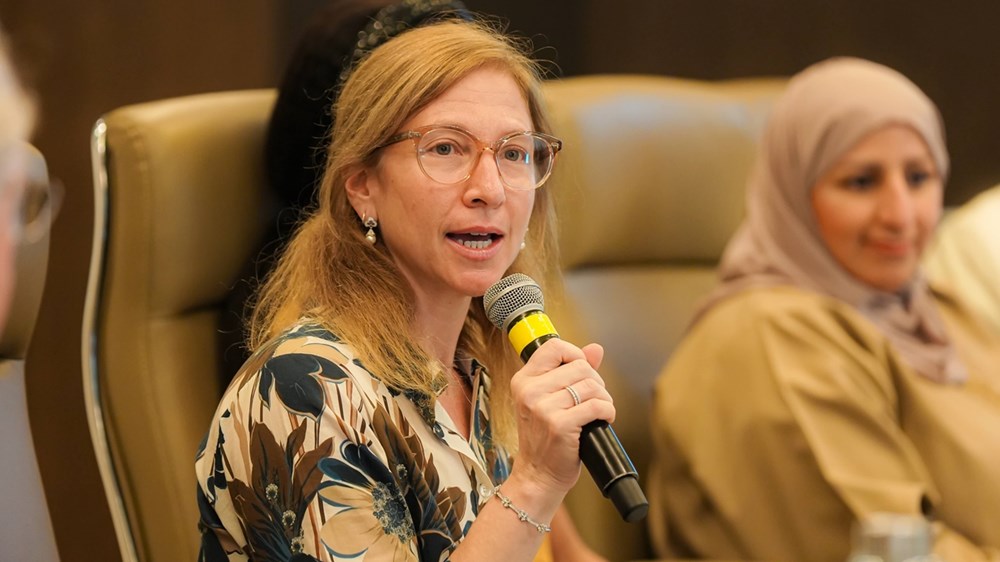
Dr Marina Gold, chief executive of the Mundo Sano Foundation, said: “Over two days, the discussions brought together experience from the field, specialist knowledge and the perspectives of multilateral organisations to strengthen coordination and integration, and accelerate progress towards eliminating several diseases. These sessions mark the start of important conversations that should continue and build on their outcomes in the future.”
Regional initiatives and integrated approaches
Participants reviewed the experience of regional initiatives and countries working to apply more integrated approaches to disease elimination. They considered how to draw on disease-specific capabilities and expertise, and how to improve coordination in surveillance, access to medicines and health supplies, service delivery, and monitoring health conditions after diseases have been eliminated.
The discussions also examined the evidence, funding, implementation and partnerships needed to put multi-disease elimination approaches into practice in ways suited to different national needs and contexts. Experiences and perspectives were shared from Africa, the Eastern Mediterranean, South-East Asia, the Western Pacific and the Americas.