
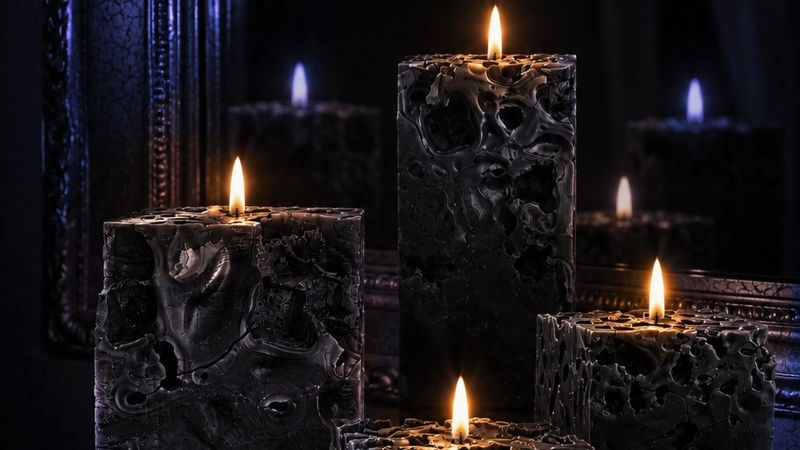
In recent years, candles have evolved from mere decorative accents in our homes to essential elements of interior design, creating warm atmospheres and enhancing sensory experiences. The flickering glow of candlelight fosters intimacy, while fragrances can evoke nostalgia or calm our minds. As the design world increasingly emphasises comfort and wellbeing, the role of candles—particularly scented ones—has become intricate and intentional. How do we select and utilise them to complement our living spaces and meet the needs of their inhabitants?
The Role of Candles in Creating Welcoming Spaces
According to Fatima Al Shami, a Jordanian interior designer specialising in wellness-oriented spaces, a healthy home is not solely defined by its aesthetic appeal but also by its ability to support physical and mental health. Candles contribute to daily rituals that help transition from the hectic pace of life to moments of relaxation. Lighting a candle during the evening routine can act as a psychological cue, signalling the end of the workday and the beginning of unwinding.
Moreover, the soft and warm light emitted by candles creates a sense of closeness, enhancing the textures found in wood, natural fabrics, and stone surfaces, whilst adding visual depth through shadows. Al Shami points out that lighting can transform a room’s functionality without rearranging any furniture; for instance, a living room can become a relaxation nook by dimming the lights and incorporating candlelight.
Strategic Candle Placement for Maximum Impact
When it comes to distributing candles throughout the home, Al Shami recommends selecting them based on each space’s purpose. For instance, using unscented or lightly scented candles in the bedroom during evening routines—extinguished before sleeping—can promote tranquillity. In bathrooms, candles can create a spa-like ambience, particularly when paired with plush towels and natural materials. Additionally, candles can enhance reading or meditation corners.
Aesthetically, Al Shami emphasises the importance of colour harmony between candles and their holders with surrounding materials and decor. Ivory and sandy tones with holders made from stone, ceramic, or glass suit earth-toned spaces and natural woods. Alternatively, simple designs can balance darker rooms featuring metallic details. The placement of candles is just as crucial as their shape—ensuring they are on stable surfaces and away from curtains, furniture, and flammable materials is essential for safety.
Experience Beyond Aesthetics
Interior design focused on wellbeing encompasses more than just visual appeal; it also involves sensory experiences crafted through scents. Al Shami explains that selecting fragrances is personal, reflecting individual tastes and sensitivities. Some may favour lavender, others a clean aroma, while those sensitive to scents might prefer unscented options.
However, caution is warranted regarding how candle burning affects indoor air quality. Candles can release fine particles and pollutants, and certain scents may disturb those with respiratory sensitivities. Al Shami highlights that even candles made with soy or beeswax are not automatically free from emissions, as burning quality is also influenced by the ingredients and wick used. Therefore, she recommends ensuring proper ventilation, avoiding prolonged burning in poorly ventilated small rooms, and adhering to safety precautions by never leaving candles unattended.
Seasonal Trends and Consumer Preferences
The value of candles in interior design transcends mere appearance; they enrich daily life experiences. Al Shami asserts that a successful home not only looks beautiful in photos but also provides its residents with a sense of comfort. Similarly, Élie Chalhoub, the owner of “Owa,” a brand specialising in candles and fragrances, highlights consumer preferences, noting a marked interest in warm and woody scents that evoke nostalgic feelings, often enhanced with refreshing or floral notes.
Chalhoub also observes that preferences can shift with the seasons. Some individuals prefer to maintain the same fragrance year-round, while others opt for lighter, citrusy scents in summer, and richer, deeper aromas like amber and patchouli during autumn and winter. This seasonal variation has inspired the brand to introduce collections curated to fit these changing atmospheres.
Design Innovation and Practical Considerations
In terms of design, consumers now recognise that candles serve as standalone decor pieces, even for those who don’t use them for illumination or scent. Consequently, they pay attention to colours, designs, and how well candles integrate with existing home décor—with a trend towards unconventional shapes alongside classic designs that coordinate easily within various spaces.
Buyers’ priorities also vary depending on the intent behind the purchase. Individuals selecting candles for personal use might prioritise fragrance, while considerations of colour and form become more pronounced when gifting candles. The presence of candles has grown in dinner party settings, where they grace tables and create inviting, warm atmospheres.
Moreover, Chalhoub highlights the importance of knowing the proper use of candles. Lighting a candle for the first time until the surface wax melts evenly, as per the product instructions, helps prevent the formation of tunnels around the wick, thus ensuring better longevity and fragrance distribution.