
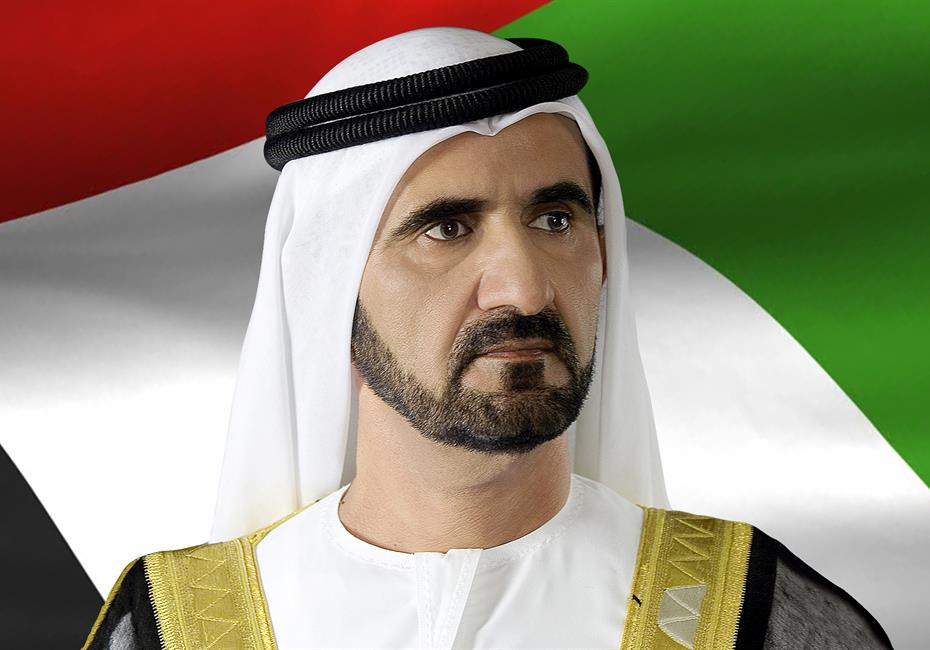
In a significant development for the governance and urban management of Dubai, His Highness Sheikh Mohammed bin Rashid Al Maktoum, Vice President of the UAE and Prime Minister, issued Law No. (18) of 2026 concerning Dubai Municipality. This law delineates the objectives, responsibilities, and powers of the municipality, enhancing its role in supporting sustainable development, improving quality of life, and bolstering Dubai’s global competitiveness.
Purpose and Scope of the Law
The law applies to the “Dubai Municipality,” established through the founding order of the Dubai Municipality Council in 1961. As a governmental entity, it possesses the legal personality and authority necessary to perform all actions pertinent to achieving its objectives.
Under this law, the municipality exercises its powers and responsibilities across all of Dubai, including special development areas and free zones, such as the Dubai International Financial Centre, unless exempted by specific provisions.
Objectives of Dubai Municipality
The law identifies several key objectives for Dubai Municipality, focusing on creating a future-ready city that enhances the quality of life and human happiness. This will be achieved through the development of an integrated urban planning system that supports economic growth while preserving Dubai’s cultural heritage and aligning with the requirements of future cities. Additionally, the law aims to improve the aesthetic appeal of the emirate by developing attractive public and recreational facilities and increasing green spaces, thereby enhancing the urban landscape and quality of life.
Further, the municipality aims to upgrade infrastructure and enhance integrated waste management across Dubai, which supports sustainable development goals and ensures efficient resource management. Additionally, the law encourages the development of the construction sector by adopting advanced global technologies, while ensuring public health, safety, and food safety according to global best practices, aiming to position Dubai as the premier city for living, work, and tourism worldwide.
The municipality will also focus on fostering partnerships with the private sector to create new economic opportunities, providing proactive and integrated services that exceed community expectations and contributing to the well-being and quality of life within the emirate. Strategic partnerships will be built with various government entities, cities, and institutions globally.
Responsibilities and Powers of the Municipality
The law specifies the functions and powers of Dubai Municipality in achieving its objectives, as well as the authority granted to the municipality to undertake inspections and ensure compliance with applicable regulations. It allows the municipality to delegate any of its powers or responsibilities to public or private entities according to existing laws, formalising this through agreements that outline the rights and obligations of both parties.
Organisational Structure of the Municipality
The law outlines the organisational structure of Dubai Municipality, which consists of a Director General, executive directors, and various administrative and technical staff. The appointment of the Director General will be formalised through a decree issued by the Ruler of Dubai, making the Director General directly accountable to the Executive Council of Dubai for executing duties mandated by this law and relevant regulations.
The law also sets forth the municipality’s financial resources, along with its accounting procedures, based on governmental accounting principles and standards.
Collaboration with the Municipality
Moreover, the law mandates full cooperation from all persons and governmental entities with Dubai Municipality and its affiliated institutions. They are required to meet the municipality’s information and documentation needs by supplying necessary data, statistics, and reports as deemed essential for achieving the municipality’s objectives.
Transitional Provisions
Law No. (18) of 2026 replaces the founding order of the Dubai Municipality Council of 1961, and any conflicting provisions in other legislations are hereby annulled to the extent of the inconsistency. Existing laws and local regulations that remain aligned with this new law will continue until new legislation is issued. This law will be published in the official gazette and will take effect from the date of publication.