
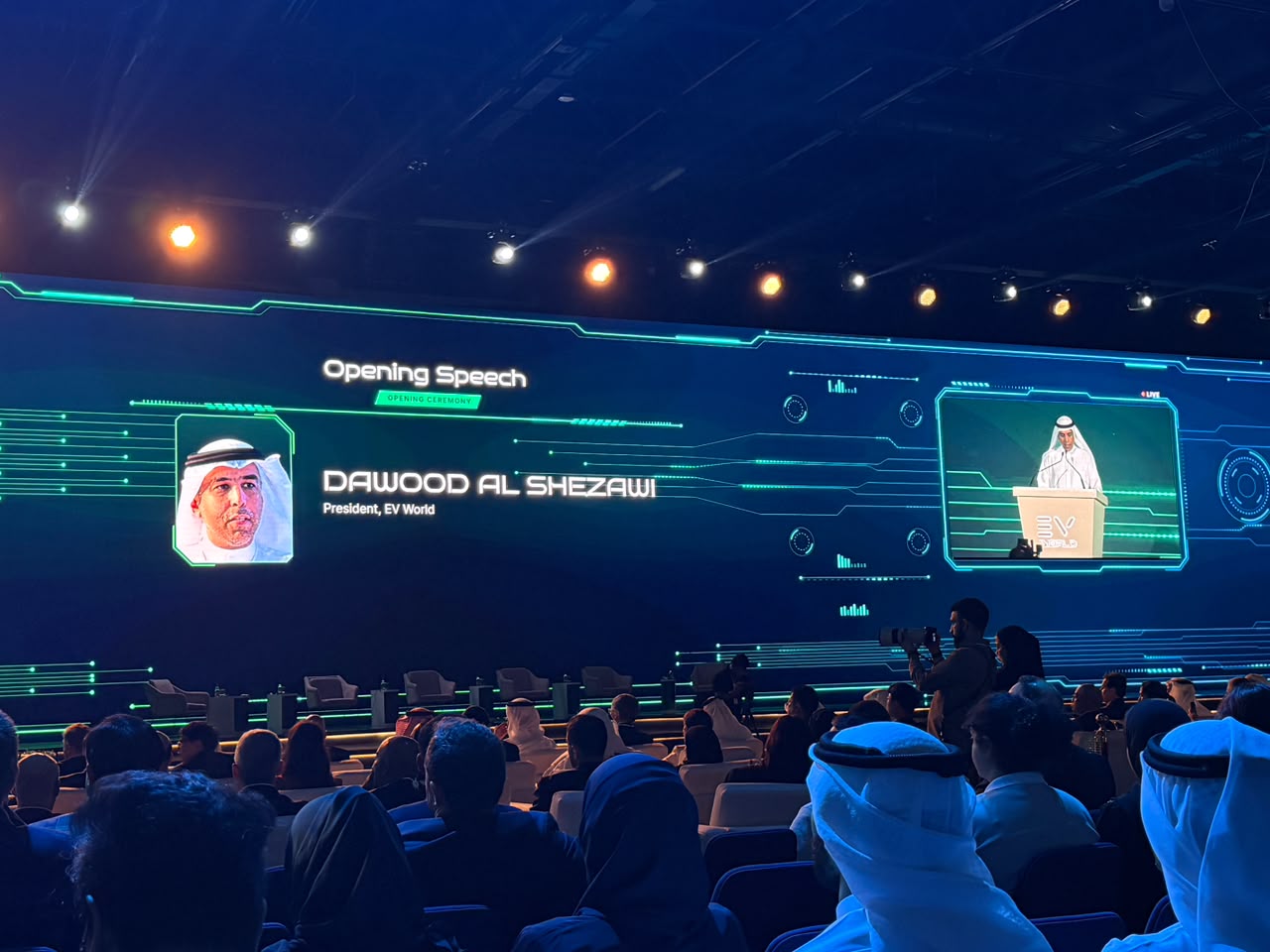
In a bold move towards sustainability, Dubai aims to transform 50% of the vehicles on its roads into electric vehicles (EVs) by the year 2050. This initiative is underpinned by a national policy focused on electric vehicles, which will include a comprehensive charging network and standardised regulations to facilitate the transition. Dawood Al Shezawi, President of the Dubai International Electric Vehicles Expo and Conference, emphasised that the global conversation has shifted from whether the transition to electric mobility is possible to how swiftly and effectively it can be implemented.
Progress in Electric Mobility
At the inaugural session of the Dubai International Electric Vehicles Expo and Conference 2026, themed “Towards a Smart and Sustainable Future in Mobility”, Al Shezawi noted that electric cars are already a common sight on the streets, along with electric buses and taxis. The expansion of charging networks across various nations is evident, as is the transition of autonomous vehicles from testing phases to everyday use.
Shifting Perspectives on Electric Vehicles
Reflecting on past conferences, Al Shezawi remarked that discussions were previously centred around readiness for electric vehicles, the scaling of charging infrastructure, and timelines for achieving autonomous driving capabilities. However, these queries have largely been resolved as the mobility sector evolves. He asserted that the pressing question now is not if the transition will occur, but rather how quickly it will happen and who will spearhead these efforts.
Collaborative Efforts Essential for Progress
Al Shezawi stressed that while technology plays a crucial role, the future of electric mobility will also heavily depend on government policies, investments, infrastructure, and, importantly, partnerships. He pointed out that no individual company, city, or country can realise this transformation in isolation.
UAE’s Leadership in Climate Commitment
The UAE stands out as the first country in the region to pledge climate neutrality by 2050. Al Shezawi highlighted that the nation has chosen a clear path towards enhancing electric mobility through its national electric vehicle policy, which is supported by the development of a national charging network and the adoption of common standards.
Creating a Platform for Collaboration
The Electric Vehicles Expo and Conference aims to serve as a vital platform that brings together policymakers and manufacturers, investors and operators, as well as startups and urban planners. This collaboration is intended to translate innovation into practical applications and projects, fostering partnerships, trials, and investments.
Looking Ahead
During this year’s three-day event, a range of issues related to the future of smart and sustainable mobility will be discussed. Al Shezawi expressed his hope that the next edition will showcase projects launched, partnerships formed, and investments realised, moving beyond mere discussions and speeches.
Dubai’s Commitment to Future Mobility
Emphasising Dubai’s commitment to being at the forefront of shaping the future of transportation, Al Shezawi reiterated that electric mobility represents the next chapter in the evolution of the transportation sector. Achieving this future will require active participation and cooperation across various sectors and stakeholders.