
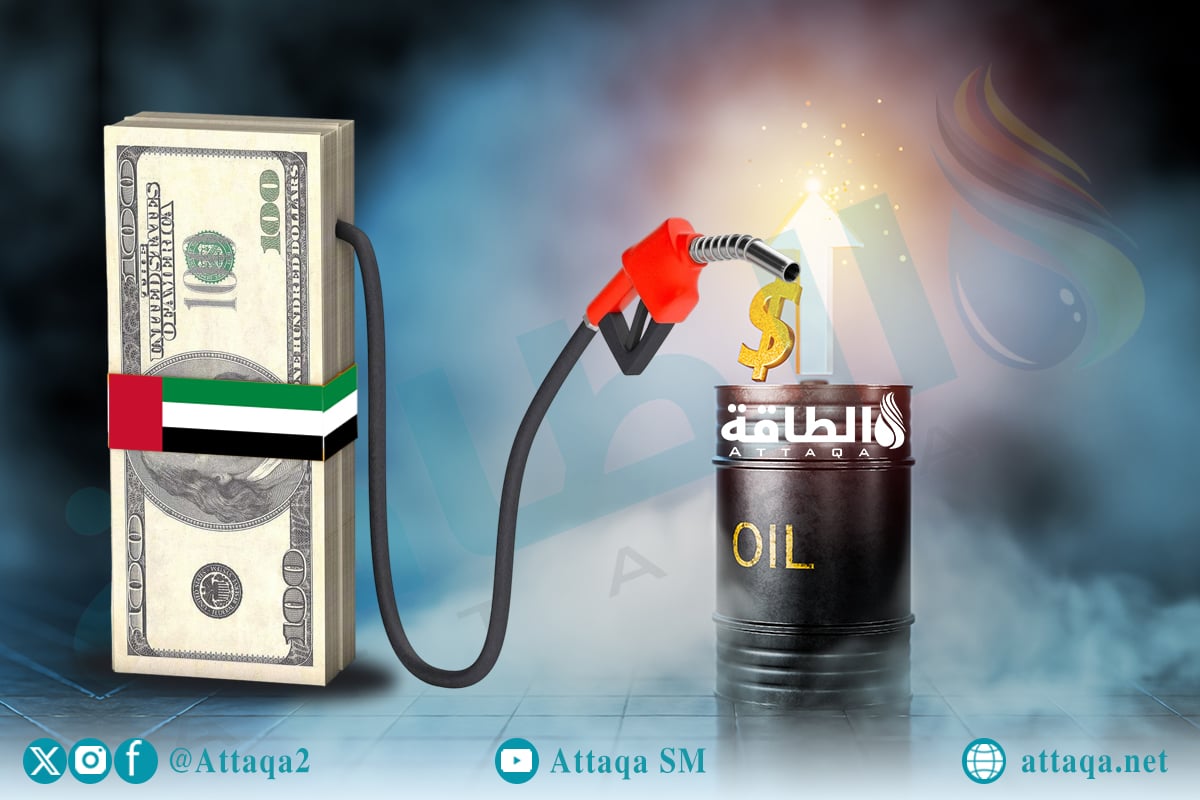
In May 2026, fuel prices in the UAE are set to witness a new increase in gasoline rates, while diesel prices will remain unchanged, as reported by a specialized energy platform based in Washington. This adjustment in fuel prices comes against a backdrop of stable global oil prices hovering around $100 per barrel, following a spike past $107, primarily driven by escalating geopolitical tensions.
Fuel Price Changes for May 2026
The announcement regarding fuel prices in the UAE for May 2026 aligns with the recent stability in global oil prices. A review of average oil prices and their derivatives during April necessitated the adjustment of these costs. The Price Monitoring Committee approved an increase in gasoline prices by 27 to 28 fils, while the price of diesel remains steady compared to April 2026 pricing.
According to the statement from the Price Monitoring Committee, the fuel prices in the UAE for May 2026 are as follows:
- The price for Super 98 gasoline per liter is now set at 3.66 dirhams, up from 3.39 dirhams.
- The price for Special 95 gasoline per liter is now 3.55 dirhams, an increase from 3.28 dirhams.
- The price for E Plus 91 gasoline per liter is now at 3.48 dirhams, up from 3.20 dirhams.
- The price for diesel remains unchanged at 4.69 dirhams per liter.
(1 Emirati Dirham = 0.27 USD)
Stability Amid Geopolitical Tensions
The adjustment of fuel prices in the UAE for May 2026 exemplifies a strategic move to stabilize the hydrocarbon derivatives market in the Gulf state. Despite the ongoing war in Iran, which adds complexity to the calculations of producing and exporting nations, the decision to maintain diesel prices supports key sectors, particularly logistics and supply chains, thereby ensuring market equilibrium and preserving the stability of essential goods prices.
Impact of the Iranian Conflict
The war in Iran has directly influenced rising global oil prices over recent weeks, especially with mounting tensions surrounding the Strait of Hormuz and attempts to secure safe passage for some commercial vessels. As one of the world’s crucial oil transit routes, the Strait of Hormuz sees approximately 20% of global maritime oil trade, making any disruption a direct factor in driving up oil prices.
Recent closures of the strait have led to a significant surge in crude oil prices; Brent crude soared by 59% in March, marking its highest monthly gain ever, while West Texas Intermediate rose by 58% during the same period before experiencing relative declines. Concurrently, concerns related to attacks on oil sites in the Gulf have temporarily halted operations at several production or export facilities, affecting regions including Saudi Arabia, the UAE, Kuwait, Iraq, and Qatar.
The adjustments in fuel prices in the UAE for May 2026 follow the monthly pricing mechanism that links local prices to average global prices for crude oil and refined products, along with operational and transportation costs. This approach provides a substantial degree of flexibility and adaptability to rapid shifts within global energy markets.
Commitment to Economic Stability
The maintenance of diesel prices reflects the UAE’s commitment to fostering a stable business environment and enhancing operational efficiency across various sectors, especially those related to transportation and supply chains. This strategy solidifies the nation’s position as a regional and global hub for commerce and logistics services.
Continuing to innovate, the UAE is developing a comprehensive system for managing the energy sector, which emphasizes flexibility and transparency, ensuring that market needs are met efficiently and maintaining sustainable economic balance in the face of rapid global changes.