
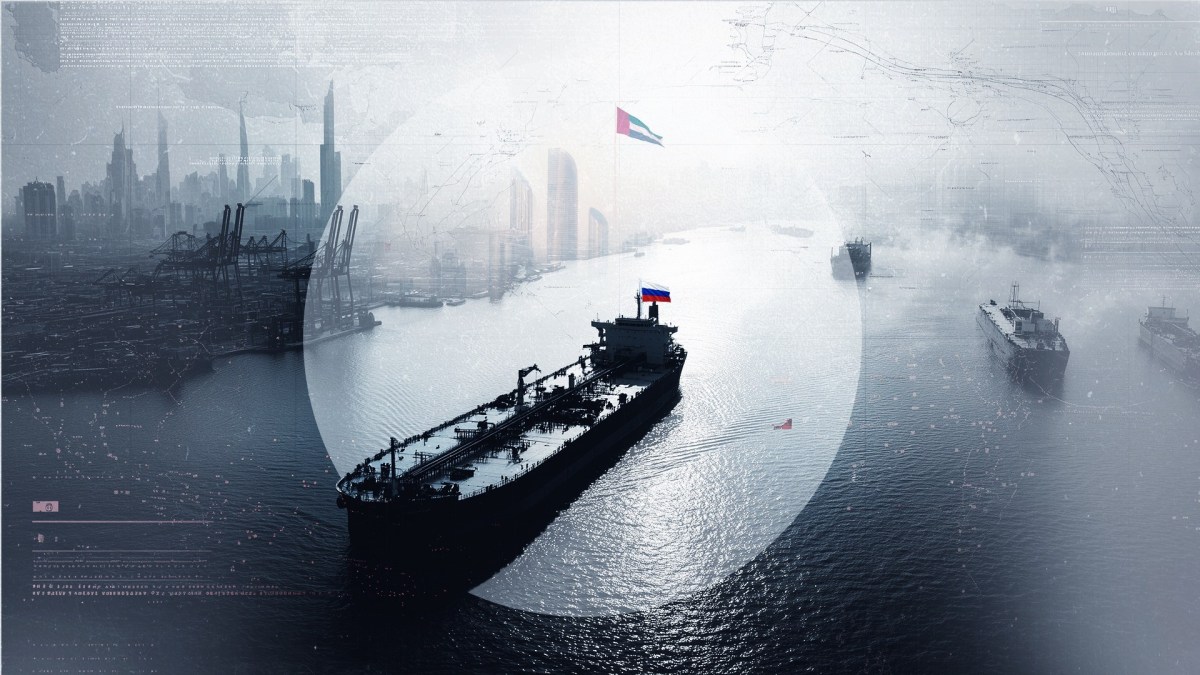
The discussions surrounding the UAE’s influence on global oil trade are intensifying, particularly in the context of “the UAE and the Russian shadow fleet.” This term refers to the innovative methods that Russia is employing to adapt to the Western sanctions imposed following the invasion of Ukraine. The article reviews these dynamics, highlighting recent developments in Russian-UAE relations and the significance of Fujairah in this regard.
Mohammed bin Zayed’s Visit to Moscow
In January 2026, the skies over Moscow witnessed a display combining Russian military aviation with the colors of the UAE flag, as UAE President Mohammed bin Zayed met with President Vladimir Putin. This meeting holds particular significance due to the cooperation it represents between the two countries amid the tense economic conditions in global markets.
The Russian Shadow Fleet: A Bid to Evade Sanctions
The waters off the coast of Fujairah are bustling with the activity of the Russian “shadow fleet,” which comprises a large number of oil tankers. This fleet has become a vital tool for Moscow after losing access to traditional trade channels due to Western sanctions. According to reports from the Financial Times, this fleet recorded a notable expansion of 70% in 2024, revealing an increased reliance on these alternative methods. While the United States and its allies monitor these changes, Russia continues to utilize this fleet to achieve its trade objectives.
The Strategic Role of Fujairah
The UAE aims to enhance its position in regional trade through the Russian shadow fleet. Simon Henderson, Director of the Gulf and Energy Policy Program at the Washington Institute, notes that Fujairah has transformed into a logistics hub for Russian trade, providing legal and financial cover for selling oil at competitive prices. However, Nasser Al Sheikh, former director of the Dubai Department of Finance, emphasizes that Fujairah is not responsible for operating these vessels, highlighting that proximity to the port does not imply any direct legal interest.
Opportunities for Economic Cooperation with Russia
Economic relations between the UAE and Russia are trending toward unprecedented increases, with non-oil trade between the two countries rising to approximately $11.5 billion in 2024. Dmitry Brizh, a researcher at the Russian International Affairs Council, points out that the UAE serves as an important logistics platform for redirecting energy to new markets, such as BRICS countries and Africa. It is also expected that Russian companies will continue to seek ways to circumvent sanctions by leveraging legitimate businesses in friendly countries and new systems like cryptocurrencies.
While Fujairah is at the heart of these dynamics, UAE-Russian relations remain under scrutiny to assess the impact of the Russian shadow fleet on the economic and political situation in the region.