
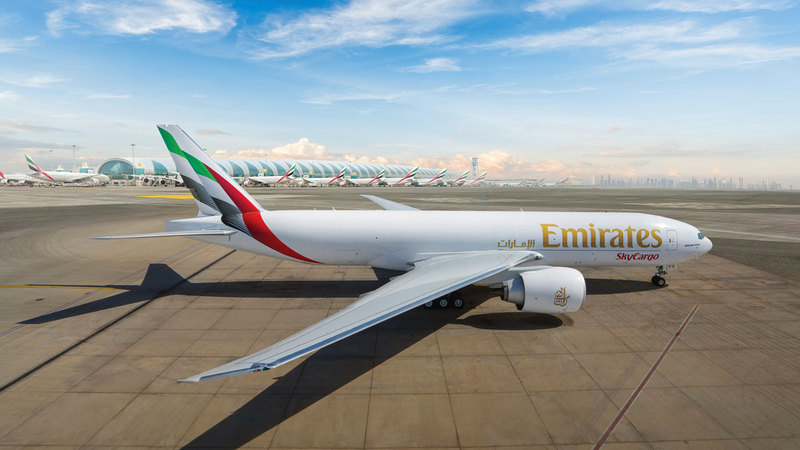
In January 2026, UAE airlines will operate 7.14 million seats on their flights, reflecting the strong operational capacity and expansive growth of the UAE’s national airlines. According to data from OAG, an international aviation analytics firm, this surge in scheduled seats highlights the robust demand for air travel in the region, showcasing Emirates‘ significant strides in enhancing its services.
Operational Growth Among National Carriers
As per the latest figures, Emirates has scheduled approximately 3.39 million seats for January 2026, an increase from 3.22 million in the same month last year, marking a growth rate of about 5%. Meanwhile, Etihad Airways has made similar advancements, offering 1.41 million seats this January, up from 1.13 million in January 2025. Furthermore, flydubai has raised its capacity to around 1.39 million seats compared to last January’s 1.2 million, representing a notable increase of 12.7%. Additionally, Air Arabia has scheduled over 954,000 seats, a rise from 812,000 seats during the same period last year.
Increased Capacity Across Airlines
Overall, the total scheduled capacity for departing flights from UAE airports stands at 8.3 million seats this January, which is a significant increase from 7.77 million seats in January 2025, resulting in a year-over-year growth of 6.8%. The strong performance is indicative of the sustained demand for air travel and the recovery of the aviation sector post-pandemic. The UAE continues to retain its position as a leading air transport hub in the Middle East, capturing about 20% of the region’s total scheduled capacity, which exceeded 40 million seats for international departures.
Dramatic Variations in Airport Performance
At the airport level, Dubai International Airport has maintained its status as the largest airport in the region, with a total of 5.5 million scheduled outbound seats in January, contributing to an aggregate of 11 million seats for round trips. Following Dubai, Hamad International Airport in Doha secured second place with around 2.6 million scheduled seats, while King Abdulaziz International Airport in Jeddah came third with 2.39 million. King Khalid International Airport in Riyadh positioned itself fourth at 2.3 million, and Abu Dhabi’s Zayed International Airport recorded approximately 1.7 million scheduled seats.
The data highlights a strong and dynamic market environment for UAE airlines, showcasing their commitment to meeting the growing travel demands while reinforcing their leadership positions in the aviation industry.