
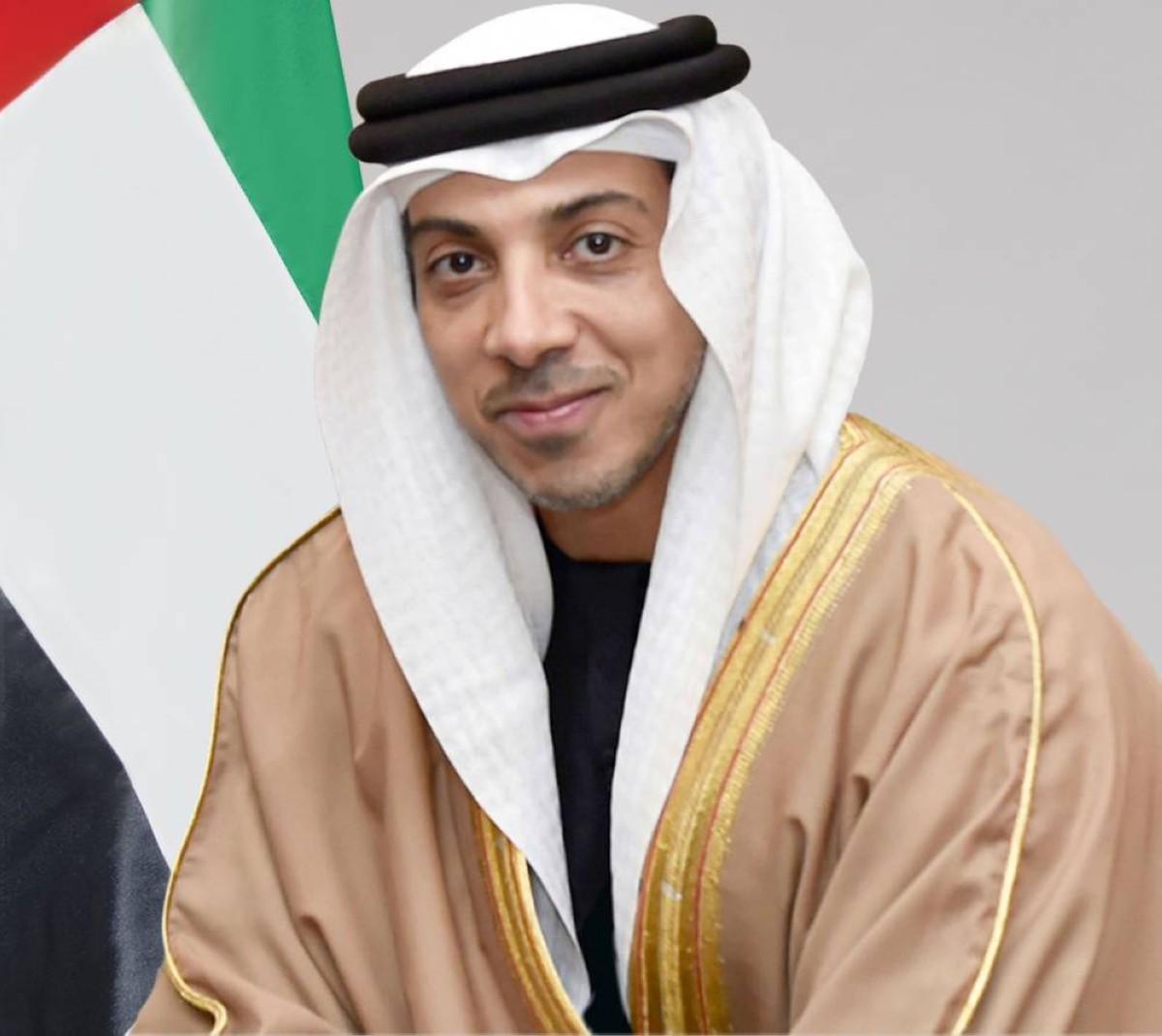
In a significant move aimed at fostering agricultural innovation and economic diversification, Sheikh Mansour bin Zayed Al Nahyan, the Deputy Prime Minister and Chairman of the Abu Dhabi Food Authority, has issued a new decision to adopt 74 additional economic activities permissible within agricultural lands. This decision is designed to expand the range of economic opportunities, allowing for a total of 145 approved activities that can now be legally practiced on farms in the emirate. The adoption of these new activities reflects a proactive approach to enhancing agricultural productivity and supporting sustainability efforts in Abu Dhabi.
Overview of the New Economic Activities
The recently established decision amends previous regulations to introduce 74 new economic activities across six distinct categories of operations permissible on agricultural lands. This expansion includes 41 activities focused on plant production, 9 supportive activities for plant production, and 8 food-related support activities. Additionally, there are 12 industrial supporting activities, 2 activities under the supporting activities category, and 2 recreational activities that can now take place on farms.
Regulatory Changes and Land Use Guidelines
According to Article 1 of the decision, significant amendments have been made regarding space utilization for economic activities on agricultural lands. Specifically, the revised text mandates that “the area utilized for economic activities must not exceed the space designated by the relevant authority in the emirate.” Furthermore, it allows farm owners or licensed businesses to engage in economic ventures, provided these activities align with the farm’s designated purposes.
Strategic Goals and Investment Potential
Dr. Tariq Ahmed Al Ameri, Acting Director-General of the Abu Dhabi Food Authority, emphasized that this decision is part of the broader efforts of the Economic Activities Committee in Farms, formed under the directives of the Abu Dhabi Executive Office. This committee includes various entities, such as the Department of Economic Development and the Department of Culture and Tourism, to enhance the utility of farms while regulating leisure and tourism activities. The ultimate goal is to transform farms into profitable investments and educational or cultural experiences that bolster the emirate’s tourism sector.
Achievements and Future Outlook
Dr. Al Ameri highlighted that the prior decision regarding economic activities in farms had already benefited 482 farms, with 333 securing new licenses for diverse economic activities and 120 obtaining modifications to existing licenses. Additionally, 29 farms received permits for holiday home operations, showcasing tangible success in activating agricultural and recreational investments. The government’s committed efforts to streamline the processes of regulation and licensing will further ensure the sustainability of these advancements and contribute to comprehensive development aligned with Abu Dhabi’s vision for sustainable growth.