
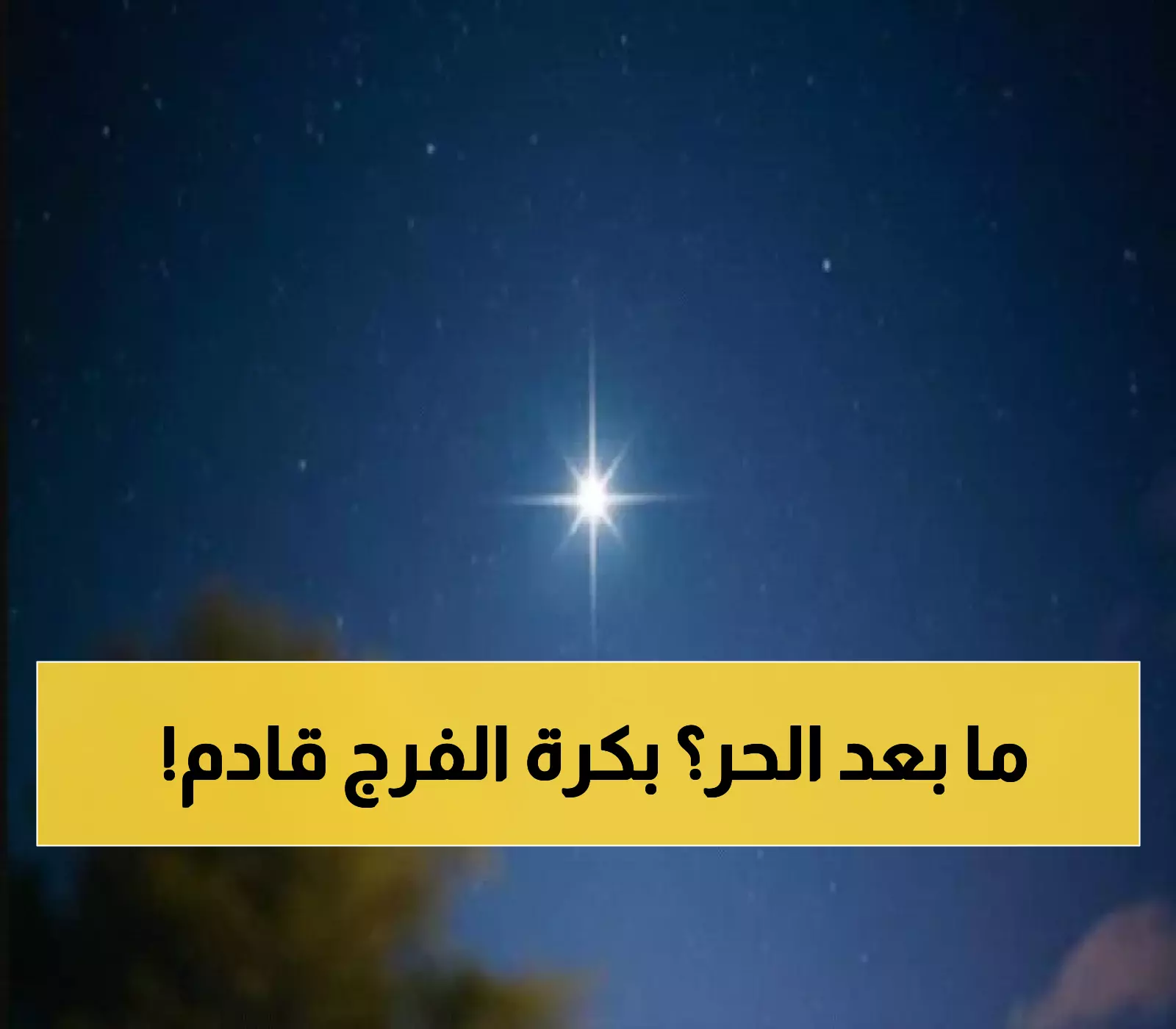
Breaking: Astronomer Abdullah Al-Masnad Reveals Date of Major Shift… The Second Star of Suhail Ends the Suffering of Millions from Deadly Heat Tomorrow!
Astronomer Abdullah Al-Masnad has revealed the anticipated date of a significant transformation, indicating that the second star of Suhail will alleviate the suffering of millions from the deadly heat tomorrow. This event marks the astronomical beginning of autumn with the arrival of the Al-Jabha constellation, coinciding with the autumn equinox expected on September 23. This highlights the accuracy of the traditional Arab astronomical calendar in tracking climatic changes.
Noticeable Changes in the Sky
Dr. Al-Masnad, a former climate professor at Qassim University, explained that the sky map appears to be clearly changing with the onset of the Al-Jabha period, which lasts for 14 days. The Al-Jabha constellation consists of four bright stars in the Leo constellation, historically known as the “Lion’s Front,” serving as an important astronomical signal for the beginning of seasonal shifts in the Arab world. This phenomenon is expected to lead to a gradual decrease in temperatures, providing relative relief to residents after a severe heatwave.
Opportunity to Observe the Star Suhail
On another note, Adel Al-Saadoun, Chairman of the Kuwaiti Astronomical Society, seems optimistic about the possibility of clearly observing the star Suhail in the northern regions of the Arabian Peninsula during this period. This timing is ideal for watching the second star of Suhail, coinciding with the beginning of gradual climate changes that characterize the transition from summer to autumn.
Balance of Night and Day
Practically, the balance between night and day is noticeably shifting, with the current duration of night reaching approximately eleven hours and twenty-nine minutes, while day extends to twelve hours and thirty-one minutes. This gradual balance foreshadows the approach of the official autumn equinox, where the length of night and day nearly equalizes across the globe.
Importance of the “Safri” Season
Climate and weather researcher Abdulaziz Al-Hussaini highlighted the significance of this period in the Arab agricultural calendar, noting that the onset of the Al-Jabha constellation signals the beginning of the “Safri” season, which lasts for twenty-seven days. This season is considered a critical turning point, marking the dividing line between extreme heat and moderate warmth, making it an important indicator for farmers and those interested in agricultural activities in the region. Traditional names for this season carry profound meanings related to the environmental and climatic changes occurring during this time.
Additionally, the Arab oral tradition holds sayings related to the Al-Jabha constellation, such as “No valley fills during the Al-Jabha without being filled with grass,” indicating the expected fertility of the land if rains fall during this period. Bedouins often say, “When Al-Jabha rises, the heat breaks, thirst extends, and camels spread out in their pastures,” reflecting a deep understanding of the climatic changes associated with this astronomical timing.